Gout: Causes, Symptoms, Treatment & Medical Management

Gout: Causes, Symptoms, Treatment & Medical Management

gout Introduction  

  • Gout is derived from the Latin word “gutta” and the French word “gote”.
  • Gout is a disorder of hyperuricemia.
  • Hyperuricemia is a disorder in which excessive amounts of uric acid production or decreased excretion.

gout Definition

Gout is defined as a metabolic disorder in which abnormal metabolism of purine and characterized by excessive uric acid crystal accumulated in the blood. Gout disorder mainly affects the greater toe.

Gout Types  

  1. Primary gout – primary gout occurs due to abnormal metabolism of purine.
  2. Secondary gout – secondary gout occurs due to any pathological disorder.

Eg. – Liver disease, renal failure etc.

Stage of gout – 4 stages –

  1. Asymptomatic gout
  2. Acute gout
  3. Intercortical gout
  4. Chronic gout.

Asymptomatic gout  

  • No sign of symptoms occur.
  • But uric acid level is elevated.
  • Asymptomatic gout is only determined with the help of a physician.

Acute gout  

  • Acute gout involves inflammation and pain of one or more small joints.
  • Joints are warm, red and tender.
  • Uric acid is elevated and shows signs and symptoms.

Intermittent – Client has intermittent periods without any sign and symptoms between acute attacks.

Chronic gout – continuous or persistent gout disorder. It is a repeated episode of acute gout disorder.

Gout Causes

  • Hereditary
  • High purine-rich diet
  • Excessive eating non veg diet
  • Renal and liver failure
  • Hyperuricemia
  • Obesity.


gout Sign/ Symptom

  • Excessive joint pain ( toe pain )
  • Sudden joint redness, tenderness, and swelling
  • Low-grade fever
  • Itching or pruritus
  • Headache and malaise
  • Renal calculi.
  • Burning urination
  • Tophi – hard irregular shape nodules.

Gout Diagnosis

  • History collection and physical examination.
  • Serum uric acid.
  • Blood urea nitrogen and serum creatinine clearance test.
  • Synovial biopsy and synovial fluid analysis.
  • CBC
  • X-ray
  • WBC and ESR rate are elevated.

Medical Management

  • Drug of choice of gout – allopurinol.
  • Allopurinol inhibits the synthesis of uric acid.
  • Allopurinol is a short acting competitive inhibitor.
  • Corticosteroid – for inflammation.
  • NSAID – pain relief.
  • Narcotics
  • Antibiotics
  • Uricosuria drugs – probenecid
  • Cold application.

gout Complications 

  • Joint deformity
  • Obstructive renal disease
  • Osteoarthritis
  • Renal calculi etc.

gout Nursing management

  • Nurses monitor patient diagnostic examinations and vital signs.
  • A nurse assesses serum uric acid levels.
  • Nurses monitor the patient’s range of motion and daily routine activity.
  • Provide adequate rest during acute attack.
  • Provide a low purine diet and avoid a non-veg diet.
  • Provide weight reduction diet and mild exercise.
  • Provide prescribed medication and instruction to avoid alcohol and smoking.
  • Nurses assist the client during activity and provide appropriate support.
  • Immobile the client in server condition.
  • Provide physiological and emotional support.
  • Educate about follow-up care.

Key Points

  1. Hyperuricemic disorder of joints – Gout.
  2. Gout disorder is abnormal metabolism of – Purine.
  3. Gout disorder occurs due to a pathological disorder – Secondary gout.
  4. Diet should be avoided in gout – Purine diet.
  5. Drug of choice for gout – Allopurinol.

What is Purine?

The following foods contain purines : red meats, such as beef, pork, and lamb. organ meats, including liver and kidneys. seafood, such as mussels, scallops, anchovies, sardines, trout, and tuna. alcohol, especially beer.

What is Gout?

Hyperuricemic disorder of joints

What is drug of choice for gout

Drug of choice for gout – Allopurinol

Add New FAQ

Diuretics and Antidiuretics

Diuretics and Antidiuretics

difference between diuretics and antidiuretics

The renal system consists mainly of two types of drugs – Diuretics and Antidiuretics. Diuretics drugs are useful to increase urine output. Antidiuretic drugs are useful to decrease urine output. Normal urine output = 1.5 liter / day.

Physiology of urine production

  • Urine = { glomerular filtration + tubular secretion } – tubular reabsorption
  • Normal GFR – 180 liter / day and 125 ml / minute.
  • Sometimes, diuretic increases the urine output by decreasing tubular reabsorption, via inhibiting the various symport, antiport, and cotransport in the renal tubules.

Diuretics Drugs

Diuretics drugs

The diuretics drugs are useful to treat patients, who are suffering from water and sodium chloride retention. The drug increases the excretion of sodium and water in urine or increases urine output.

lasix injection uses

Generally, Furosemide should be administered intravenously. Intramuscular administration must be restricted to exceptional cases where neither oral nor intravenous administration is feasible. Lasix Injection belongs to a group of medicines called diuretics. It is used for the emergency treatment of very high blood pressure (hypertensive emergency), as it reduces the blood pressure immediately. It also rapidly reduces the swelling (edema) caused by too much water in the body

Terms

  • Natriuretic – Drugs cause the excessive loss of sodium in the urine.
  • Kaliuresis – Drugs cause the net loss of potassium in the urine.
  • Saluretics – Drugs cause the net loss of sodium and chloride in the urine.
  • Calciuretics – Drugs cause the net loss of calcium in the urine.
  • Potassium-sparing – It is also called Amiloride.
  • Drugs cause the retention of potassium and decrease loss of potassium in the urine.
  • Calci Saving – Drugs cause the retention of calcium and decrease the loss of calcium in the urine.

Read also – Myocardial infarction treatment drugs

Read also –Administration of Medicine

Read also –Antihypertensive drugs Classification

Diuretics Classification with Examples

  1. High efficacy diuretics
  • Also called Loop diuretics.
  • Drugs – furosemide
    • Torasemide
    • Bumetanide.
  1. Medium efficacy diuretics
  • Thiazides – HCTZ
  • Theatres like – chlorthalidone
      • Metolazone
      • Xipamide.
  1. Weak efficacy diuretics
  • Also called the adjunctive diuretics.
  • Carbonic anhydrase inhibitor = acetazolamide
  • Potassium sparing diuretics = spironolactone

= Amiloride.

  • Osmotic diuretics = mannitol

= glycerol

= Isosorbide.

High efficacy diuretics

  • The loop diuretics act on the ascending loop of Henle and inhibit the Na+_K+_2cl- co – transport.
  • The drug increases the urine output due to decreased tubular reabsorption.
  • It is also known as high ceiling diuretics and most powerful diuretics.
  • The drug increased urine output up to 10 liter / day.
  • Furosemide drug – Also called lasix.
  • Suitable for acute use.
  • 40 mg – tablet form, 20 mg / ml in injection.
  • To stimulate the quick onset effects, and effective only for short duration ( 3 – 6 hours).

Torasemide drug-

In renal failure – Torsemide uses up to 100 mg.

In edema – use 5 – 20 mg.

Bumetanide-

  • useful in edema
  • 1 – 5 mg orally.

Uses of the high-efficacy drug

  • In the acute pulmonary edema.
  • Edema and cerebral edema.
  • Congestive cardiac failure (CCF)
  • Hypertension
  • Hypercalcemia and renal calcium stone
  • Acute renal failure.

Medium efficacy diuretics

The drug acts on the cortical diluting loop of Henle and the early portion of the distal convoluted tubule. The drug inhibits the sodium chloride simport and increases the urine output by decreasing tubular reabsorption. Thiazide – HCTZ (hydrochlorothiazide). Hydrochlorothiazide is the most commonly used drug in these groups. Dose = 12.5 – 100 mg tablet.

Thiazide like drug

  • Chlorthalidone – 50 – 100 mg dose.
      • Onset effective.
  • Metolazone – 5 – 20 mg dose.
      • Onset effective.
  • Xipamide – Dose 20 – 40 mg.
  • Thiazide and thiazide-like drugs are available in tablet forms and are suitable for chronic and long-term uses.

Uses of medium efficacy diuretics

  • Diabetic insipidus
  • 1st line drug of hypertension
  • To maintain the edema
  • Hypercalcemia and recurrent calcium stone.
  • Weak efficacy diuretics – Also called the adjunctive diuretics.
  • Carbonic anhydrase inhibitor
  • Eg:- Acetazolamide
  • The drug acts on the proximal tubules and inhibits the carbonic anhydrase.
  • Dose 250 mg OD / BD.
  • Drug uses
    • Glaucoma
    • Gastric and duodenal ulcer
    • Antiepileptic
    • In acute mountain sickness
    • Neurological disorder
    • Hypertension

medium efficacy diuretics Adverse effects

  • Fever, rashes, fatigue.
  • Acidosis, hypokalemia.
  • Abdominal discomfort.
  • Acetazolamide is contraindicated in liver disease.
  1. Potassium-sparing diuretics

  • Drug = Spironolactone.
  • The spironolactone is an aldosterone antagonist.
  • The drug increases the excretion of sodium and water without producing appreciable potassium loss.
  • It acts on the sodium potassium antiport and retains the potassium and excrete the sodium.
  • Spironolactone Dose = 25 – 50 mg BD.

Uses of Potassium-sparing diuretics

  • Nephrotic and cirrhotic edema.
  • Congestive heart failure (CHF)
  • Hypertension
  • To prevent the potassium loss
  • Primary aldosteronism.

Adverse effects of Potassium-sparing diuretics

  • Hyperkalemia, metabolic acidosis
  • Drowsiness, confusion, skin rashes
  • Abdominal upset
  • Gynecomastia
  • Menstrual irregular disorder.
  1. Osmotic diuretics

  • Mannitol – It is the most common osmotic diuretics.
  • Mannitol is a polyhydric alcohol.
  • It consists of low molecular weight, nonelectrolyte and freely filters through the glomerulus.
  • Mannitol dose = 100 ml, 350 ml Iv infusion.
  • 10 – 20 % solution of mannitol.

Uses of mannitol

  • To reduce the intraocular pressure (IOP) in glaucoma.
  •  In head injury, to decrease the intracranial pressure (ICP).
  • To maintain the glomerular filtration (GFR) and urine flow.
  • To prevent renal failure.

Contraindication of mannitol

  • Pulmonary edema, anuria
  • Cerebral hemorrhage
  • Congestive heart failure.

Adverse effects of mannitol  – Nausea, vomiting, dehydration, headache, pulmonary edema, hypotension.

Key Points of diuretics

  1. Which drug is useful to increase the urine output – Diuretic
  2. High efficacy diuretics is called – Loop diuretics
  3. Most common osmotic diuretic is – Mannitol
  4. Loss of sodium and chloride with urine – Saluretics
  5. Excessive loss of sodium with urine is called – Natriuretics
  6. Weak efficacy diuretics is called – Adjunctive diuretics
  7. Most powerful diuretic is – Loop diuretics
  8. Which diuretic drug is called Lasix – Furosemide
  9. Most common useful drug in medium efficacy diuretics – Hydrochlorothiazides
  10. Common potassium-sparing diuretics is – Spironolactone
  11. Which diuretic is useful to reduce IOP and ICP – Mannitol
  12. Synthetic analog of vasopressin – Desmopressin
  13. Which drug acts on the V1 receptor of ADH – Vasopressin

Antidiuretic drugs

  • It is a substance that inhibits water excretion without affecting the sodium excretion.
  • The drugs useful to reduce urine output.
  • The drugs mostly used in the diabetes insipidus.
  • Antidiuretic hormone (ADH) is secret from the posterior pituitary gland.
  • ADH hormone water reabsorption from distal and collecting tubules, and reduced urine output.
  • ADH stimulated due to increased plasma osmolarity contraction of extracellular fluid volume.
  • ADH consists of the V1 and V2 receptors.

Antidiuretic drugs list

  • Antidiuretics drugs
  • Antidiuretic hormone – Desmopressin and vasopressin.
  • Thiazide diuretics – Amiloride.
  • Indomethacin, carbamazepine, chlorpropamide.
  1. Vasopressin –

Vasopressin acts on a V1 receptor of ADH that leads blood vessels contraction and increases the arterial pressure. Vasopressin also acts on V2 receptors and leads fluid reabsorption in the renal tubules and increases the water permeability, that result is decreased urine formation.

Vasopressin uses

  • Diabetic insipidus (DI)
  • Bleeding oesophageal varices
  • Hypotension and shock
  • Abdominal distension
  • Before abdominal radiography.

Vasopressin side effects

  • Water intoxication
  • Hyponatremia
  • Increase the specific gravity of urine.
  1. Desmopressin –

It is a synthetic analog of vasopressin, which is work on the V2 receptor. Desmopressin acts on the CD cells. Desmopressin is a man-made form of vasopressin. Desmopressin causes the antidiuretic effect that increases the water reabsorption, decreases water excretion.

Uses of Desmopressin

  • Nocturnal enuresis
  • To prevent dehydration
  • Diabetes insipidus
  • Haemophilia – A
  • Von willebrand disease.

Desmopressin Dose

  • Dose – 10 – 40 mg / day in adults.
  • 5 – 10 mcg / H. S. in children.

Adverse effects of Desmopressin –

Congestion, nasal irritation, epistaxis, hyponatremia etc.

  1. Thiazide (HCTZ) – Use to increase the tubular reabsorption in the. It is useful in both neurogenic and nephrogenic DI.
  2. Amiloride – It is a drug of choice (DOC) of lithium-induced nephrogenic DI.
  3. Indomethacin – Use as an antidiuretic, and treat the nephrogenic DI and nephrotic syndrome.
  4. Carbamazepine – It is used in the neurogenic DI.

Key points of Antidiuretics drugs

  1. Which drug is useful to decrease the urine output – Antidiuretic
  1. Normal urine output – 1.5 liter / day
  1. Normal GFR in a healthy person – 180 liter/day
  1. Antidiuretic hormone secret from the – Posterior pituitary gland

Myocardial infarction treatment drugs

Antiarrhythmic drug (Adverse) Side effects

Myocardial infarction medication

Myocardial infarction (MI) is ischemic necrosis of the myocardial tissue. MI occurs due to sudden rhombus formation in the coronary artery that interferes with the blood supply of the heart.

  • Analgesics – morphine (drug of choice of Myocardial infarction (MI))
  • Vasodilators – To dilate the artery and vein
  • Antiarrhythmic – Esmolol
  • Antithrombotic drug – To prevent the thrombus formation
  • ACE inhibitor drugs
  • Angiotensin receptor blocker (ARB) drug.
  • Cardiac depressant drug – To decrease heart rate and heart contractility.

Morphine drug uses

It is an analgesic medication of opiates that acts on the central nervous system to reduce the feeling of pain. It is the drug of choice for Myocardial infarction (MI).

  • Morphine dose 4 – 8 mg IV.

Morphine contraindication

  • Head injury, hypotension
  • Bronchial asthma, hypothyroidism
  • Hepatic and renal disease
  • Pregnancy etc.

Read also- Antihypertensive drugs Classification

Read also – Administration of Medicine

Antiarrhythmic drugs

Arrhythmia is a disorder of the heart in which irregular beating of the heart or abnormal rhythm. A cardiac arrhythmia occurs due to improper electric impulses of the heart. Antiarrhythmic drugs are used to treat irregular cardiac rhythms. Antiarrhythmic drugs – The drugs act on myocardial sodium, potassium, and calcium channels and block them.

Sodium channel blockers drugs

    • Quinidine 200 – 300 mg orally
    • Lignocaine 100 mg / IV
    • Lidocaine 1 mg / kg
    • Procainamide.

Beta-blocker drugs

    • Propranolol 20 – 80 mg daily.
    • Atenolol 50 – 100 mg daily.
    • Esmolol

Potassium channel blockers drugs

    • Bretylium 5 – 10 mg.
    • Amiodarone

Calcium channel blockers

    • Verapamil 80 mg
    • Diltiazem.

Antiarrhythmic drug Uses

  • Ventricular arrhythmia
  • Supraventricular tachycardia
  • Atrial flutter and fibrillation
  • Paroxysmal supraventricular tachycardia
  • Sinus tachycardia
  • Hypertension.

Contraindication Antiarrhythmic drug Uses

  • Cardiac failure
  • Heart block, cardiogenic shock
  • Complete  atrioventricular block
  • Complete atrioventricular block
  • Severe bradycardia.

Antiarrhythmic drug (Adverse) Side effects

  • Hypertension, heart failure, bradycardia
  • Confusion, heart block, fatigue, dizziness
  • Nausea, vomiting, cinchonism, etc.

Antiarrhythmic Drug interaction

  • Antiarrhythmic drug use with antihypertensive that causes hypotension.
  • Use a digoxin drug that increases the digoxin level.

Key Points

  1. Which disease causes the ischemic necrosis of myocardial tissues – MI
  1. Drug of choice of MI – Morphine
  1. Morphine is an analgesic drug of the – Opiate family

Drug of choice for MI

Morphine

How to apply Bihar Nursing Registration Council, BNRC Apply

How to apply Bihar Nursing Registration Council

Steps Frist for BNRC Application

In Frist, Steps Visit The BNRC Official Website

How to apply Bihar Nursing Registration Council, BNRC Apply

Steps-1 Click The Transfer Registration

Bihar Nurses Registration Council में अपना रजिस्ट्रेशन कैसे Change करवाये How to transfer Nursing Registration From other states to Bihar Nurses Registration Council (BNRC)

Mission Nursing

Steps 2 create new accounts

In Step 2 create new accounts of the BNRC Button after registration

Mission Nursing
create new accounts

Steps-3 Login in BNRC Form

In This steps login the application form and follow the next steps

Mission Nursing
Login in BNRC Form

Steps 4 fill out BNRC the application form

Mission Nursing

Steps 5 fill out the BNRC Application form

In these steps, if you are Rajasthan fill out the Rajasthan nursing council.

after that fill in persona details like Name, Fathers Name, Address

Mission Nursing

steps 6 payment and Payment in BNRC

Mission Nursing

Steps 7 after filling all steps of the BNC Form

Mission Nursing

Steps 8 Download Bnrc Certificate

after 30 to 45 days download the Bihar nursing Counsil Form online and print

Mission Nursing

If you have any problems in applying form please comment in the comment box

How to Administration of Medicine

Administration of Medicine

Administration of Medicine Introduction

Administration of medicine is a chemical procedure in which a medicine is administered to the patient in order to treat or prevent disease or complication. Medicine is a substance that is used to promote health, to diagnose, prevent and cure disease. A major responsibility of nurses is to provide safe and accurate administration of medicine. Improper administration of drugs can cause harmful effects.

how to decide the name of drugs?

how to decide the names of drugs in India?

Drugs are available in the market by several names.

Generic name of Drugs-

generic name of the drug assigned by the manufacturer. The generic name is derived from the chemical name. Paracetamol is a generic name of acetaminophen.

The chemical name of Drugs – the chemical name of the drug based on the compound chemical structure of the drug. Acetylaminophenol and para acetylaminophenol is a chemical name of paracetamol drugs.

The official name of drugs – the official name of the drug is identified in the official publication. The official name of a drug was approved by the national pharmacopeia commission. Acetaminophen is the official name of paracetamol.

Brand name of Drugs –Brand name of the drug is a registered name of the manufacturer.Common brand name of paracetamol is panadol, Tylenol, calpol etc.

Classification of drugs-

Classification of drugs according to their action –

Analgesics – drug used to treat pain.

Antipyretics – drug used to reduce body fever.

Antiseptic – drug used to inhibit the growth of bacteria.

Antibiotics – drugs used to destroy or inhibit the growth of microorganisms.

Anesthetics – drug used for loss of sensation.

Anthelmintics – drugs used to destroy worms.

Antidotes – drugs used to neutralize the effect of poison.

Anti-inflammatory – drugs help to reduce inflammation.

Antihistamine – used to prevent the allergic disorders.

Anticoagulants – drugs used to inhibit the formation of blood clotting.

Anticonvulsants – drug used to prevent convulsion in epilepsy.

Antacids – drug used to decrease gastric acid secretion.

Antiemetics – drug used to treat vomiting.

Antidiarrhetics – agent used to treat diarrhoea.

Antiasthmatics – drug used to provide relief of asthmatic attacks.

Antipruritics – substance used to treat itching.

Antifungal – drug used to prevent and destroy the growth of fungi.

Antispasmodics – drug used to relieve muscles spasm and spasm pain.

Antirheumatics – drug used to treat rheumatic disorder.

Antitubercular – drugs used to treat and prevent tuberculosis.

Coagulants – substance used to coagulate the blood.

Bronchodilators – drugs used to relax the bronchioles muscles.

Cathartics – dragon used to cause the intestinal evacuation.

Diuretics – drugs that cause increased urine flow.

Carminatives – drug used for expulsion of gas from intestine and stomach.

Corticosteroids – used to reduce the inflammation and swelling.

Diaphoretics – drug Induce the excessive sweating.

Emetics – drugs that produce vomiting.

Oxytocics – drug used to stimulate the uterine contraction.

Emmenagogues – drugs used to stimulate the menstrual discharge.

Hypnotics – drugs helpful to produce sleep.

Hemostatics – an agent to check the haemorrhage.

Galactagogue – agent that increases milk flow.

Hypotensive – a drug used to reduce the blood pressure.

Haematinics – substances that increase the hemoglobin content in the blood.

Hypoglycemics – drugs used to reduce blood sugar level.

Mydriatics – drug used to dilate the pupil of the eye.

Miotics – drug used to control the pupil of the eye.

Narcotics – drugs used to reduce pain.

Stypics – drug used to check haemorrhage.

Sedatives – drugs used to treat anxiety.

Tranquilizers – drugs used to state anxiety, tension, fear and agitation.

Vesicants – it is a blistering agent.

Vasodilators – drugs used to dilate the blood vessels.

Vasoconstriction – drug used to contract the blood vessels.

Form of drug

The form of drug depends upon the routh and method of drug administration. Many kinds of drugs are available in the market like solid, liquid or semi solids.

Common drug forms are – capsule, tablet, pills, syrup, cream, ointments, patches, lotions, paste, suppository, spirits etc.

Drugs abbreviations

OD – Daily ( once a day )

ac – before meal

pc – after meal

on – each night

om – each morning

alt – alternate days

h.s. – at bedtime

hn – tonight

Prn – when required

SOS – when required in emergency

BD – twice a day

TDS – three time in a day

QID – four time in a day

Stat – at once

OD – right eye

OS – left eye

OU – both eye

AD – right ear

AS – left ear

AU – both ear

IM – intramuscular

IV – intravenous

SC – subcutaneous

Rx – prescription.

Types of drug order

Stat order – stat order includes administration of drugs immediately and only once.

Standing order – it is to prescribe the pre-written medication order with specific instructions.

PRN order – medication administered when needed.

Single order – it is a one time written order for a medication administration.

Verbal order – verbal order uses only emergency or when the prescribed is unable to document the order.

Effects of drugs on the body

Therapeutic effects of drugs

Therapeutic effects of drugs are the primary effects that are the reason for drug prescriptions.

Therapeutic effect is a response after a treatment of any kind.

Therapeutic effects of drugs on the body are the desired and intentional effects of medicine.

Local and systemic effects of drugs

Local effect of a drug is a response to a drug that is confined to a specific part of the body.

For example eye drops, topical skin cream or ointment cause the local effects.

A drug observes in the bloodstream and produces a systematic effect in the body.

Adverse effects of drugs

Adverse effects of drugs are unwanted and harmful experiences.

Adverse effects indicate the drug to be discontinued or reduce the Drug dose.

Side effects of drugs

Side effects are a minor adverse effect.

The side effects of drugs are harmful or harmless.

Side effects are produced with therapeutic doses of the drug.

Side effects are useful in some circumstances.

Toxicity effects of drugs

The toxic effects of drugs occur due to high levels of drugs in the blood.

Some toxic effects are fatal for the client.

Route of drug administration

Route of drug administration is the medium of introducing any drugs into the body for its actions.

Many different routes of drug administration are

Oral route of administration of drugs

The oral route is the most common and more convenient route of drug administration.

Oral routes include a drug being taken through the mouth.

Advantages of oral route of administration of drugs –

safe route and easy to use.

No need for privacy.

Self-usable route.

No need for sterilization.

Cheap and convenient.

Discharge –

unpleasant test of a drug.

Slow effects.

GI irritations.

Irregularity of absorption.

Destruction by PH.

Not suitable for vomiting and unconscious patients.

Sublingual route of Drug Administration

In a sublingual route, a drug is put under the tongue.

Example – nitroglycerin drug used in Angina.

Inhalation route of Drug Administration

Drug administration through the fumes into the lungs, for local and systemic effects.

Inhalation routes include gases and volatile agents.

Inunction route of Drug Administration:-

It is a topical application in which drugs apply on the skin surface.

Example – emollient drugs, antiseptics or astringents etc.

Insertion of Drug Administration

Introducing a solid form drug into the body orifices, is called insertion.

Example – suppositories.

Instillation of Drug Administration

Putting a liquid form drugs into the body cavity is called installation.

Example – eye, ear drops.

Insufflation Drug administration

Use an insufflator to administer the drug in the form of powder, vapour or air into the wound or body cavity.

Implantation Drug Administration

Implantation means putting a drug into the body tissues.

Parenteral route of Drug Administration 

Intravenous route – drug administered through vein.

Intramuscular route – drug administered through muscles.

Intra-arterial – drug administered through arteries.

Subcutaneous – drug administered under the epidermis or into the dermis.

Intraosseous – drug administered into the bone marrow.

Intraspinal – drug administered into the spinal cavity.

Intracardiac – drug administered into cardiac muscles.

Intraperitoneal – drug administered into peritoneal cavity.

Rights of drug administration

Safety measures of drug administration

follow the 5 rights, during drug administration

  • Right client
  • Right drug
  • Right dose
  • Right time
  • Right method.
  • Right client

Identify physician order and make sure medicine is ordered.

Read the patient name on the medicine chart and patient file.

Ask the patient ‘s name, age or date of birth.

Right drug- Read the physician order and understand and collect details about medicine. Select the right drug from the cupboard. Read the level of the medicine card and medicine container. Read the expiry date of drugs. Compare medication label and medication record.

Right dose-   Read the physician ‘s order carefully to identify the correct dose.Check the dose available. Measure the dose accurately, according to the prescription for Drug dose calculation.Help the patient to take all medicine in the correct dose.

Right time- Carefully read the physician order. Maintain correct time of drug administration according to Drug dose in a day.Example – BDS, TDS etc.

Right route- Determine the physician order carefully.Identify the route of drug administration according to prescription or drug uses.If a parent uses drugs, dilate the medicine.

Nursing role to administer drugs

Nurses collect the information about clients and client disease conditions.

Nurse carefully read the physician’s order and understood well.

If you are having a problem understanding drugs, a nurse can ask a senior nurse.

Nurses follow the barrier of nursing to prevent infection.

Nurse checks the purpose of medication.

Before drug administration, nurses assess the patient’s vital signs.

Nurses follow the right of drug administrations ( right patient, right drug, right dose, right time and right route ).

Before drug administration, check the expiry date of the drug.

Nurse checks the conscious level of the patient.

Nurse prepares the medicine trolley.

If the patient is conscious, explain the procedure of drug administration.

Encourage the client for cooperation during the procedure.

After drug administration, the nurse discards the waste.

Remove gloves and hand wash.

Documentation maintained.

General FAQ About Drug Administration

What is the Generic name of the acetaminophen drug?

Generic name of acetaminophen drug – Paracetamol

Meningitis: Causes, Symptoms, Diagnosis, Treatment & Nursing Management

Meningitis Sign Symptom Cause Treatment and Nursing Management

What is Meningitis?

  • Meningitis is derived from Greek word “Meninx” which means membrane.
  • Meninges are membranes that surround the brain and spinal cord.
  • Meninges three layers – Dura mater
  • Arachnoid membrane
  • Pia mater.

Definition of Meningitis 

Meningitis is an inflammation of the outer covering membrane of the brain and spinal cord (meninges). Laptomeningitis is inflammation in the arachnoid and pia mater layer. Meningitis infection spread in the brain and affects brain function, is called Encephalitis.

Tried symptoms of meningitis is a

    • Headache
    • Fever
    • Nuchal rigidity (stiffness of neck).
  • Encephalomyelitis – inflammation of both the brain and spinal cord.

Types of meningitis  

  1. Aseptic meningitis  

  • Septic meningitis is a bacterial meningitis.
  • Septic meningitis occurs due to organism bacteria and infection.
  1. Aseptic meningitis  

  • It is viral meningitis.
  • Aseptic meningitis due to chronic irritation of the meninges layer of the brain and spinal cord.
  1. Tuberculin meningitis  

Causes of Meningitis

  • Bacteria, viruses, fungus and amoeba are causative agents of meningitis.
  • Bacterial meningitis cause

  • E-coli.

In children – Neisseria meningitides

  • H influenza ( haemophilus )
    • In adult – streptococcus pneumoniae
    • In poor peoples – mycobacterium tuberculosis.

Viral meningitis cause – coxsackievirus

  • Herpes virus
  • HIV virus
  • Arbb virus
  • Poliovirus.
  • Cryptococcal meningitis is a common fungal form.

Risk factors of Meningitis

  • Upper respiratory tract infection.
  • Age – viral meningitis within 5 year age and bacterial meningitis under 20 years old.
  • ENT infection.
  • Compromised immune system.
  • Low economic status.
  • Overcrowded area.
  • Medications that suppress immunity.
  • Head and spinal injury.
  • Cellulitis.
  • Malnutrition.
  • Head and spinal cord surgical procedure.
  • AIDS, diabetes, pneumonia.

Pathophysiology of Meningitis

Cause / risk factors / infection

Inflammatory reaction in meninges

Increased intracranial pressure (ICP)

Meningeal layers irritations

Meningitis.

Mode of transmission of Meningitis

  • Droplet transmission
  • Direct contact
  • Airborne transmission.

Sign/symptoms of  Meningitis 

  • Tried symptoms of meningitis – fever, headache, stiffness of the neck.
  • Positive kerning’s sign and Brzezinski’s sign.
  • Nausea and vomiting.
  • Altered level of consciousness.
  • Confusion and disorientation.
  • Photophobia – irritation due to light.
  • Phono phobia – irritation due to sound.
  • Increased ICP and seizures.
  • Restlessness and irritability.
  • High grade fever.
  • Tachycardia and tachypnea.
  • Red macular rashes on skin.
  • Coma, malaise.
  • Abdominal and chest pain.

Diagnosis of Meningitis

  • History collection and physical examination.
  • Positive kerning sign and brudzinski’s sign.
  • CSF test.
  • Lumbar puncture examination.
  • CT scan and MRI.
  • Blood culture test.
  • Complete blood culture ( CBC )
  • Monitor ICP level.
  • Chest x ray.
  • Urine analysis test.

Kerning’s sign

When a patient lying and thigh is flexed at the hip and knee at 90° angles, and subsequent extension of the knee is very painful.

Brudzinski’s sign –

Place the patient in supine position, flux the patient’s head upward, resulting in flexion of both hips, ankles and knees with the flexion of the neck.

Meningitis Treatment-

  • Analgesic drugs – for pain control.
  • Anticonvulsants – to prevent and treat seizures.
  • Corticosteroids – reduce inflammation and brain swelling.
  • Antiemetics – for vomiting.
  • Antipyretic drugs – to reduce fever.
  • Sedative drugs – for restlessness or irritability.
  • Diuretics drugs – osmotic diuretics.
  • Antibiotics – penicillin G.
  • Antimicrobial therapy – cefotaxime, ceftriaxone.

Complications in Meningitis 

  • Cerebral oedema
  • Hearing loss
  • Brain damage
  • Gait problem
  • Seizures
  • Kidney failure
  • Shock and death
  • Memory altered.

Meningitis Nursing Management

  • Monitor vital signs and physical examination.
  • Nurse monitors the level of ICP and the patient’s level of consciousness.
  • Isolate the patient (respiratory isolation).
  • Provide calm, quiet, dark and cool environment.
  • Nurses follow the barrier of nursing to prevent infection.
  • Nurse assessed kerning’s and brudzinski signs.
  • Nurse maintains the seizures precautions.
  • Administer all prescribed medication and IV fluids.
  • Administer oxygen and airway clearance.
  • Provide appropriate position to maintain ICP (head end elevated 20 – 30 degree angle)
  • Nurses provide supportive care to patients.
  • Nurses maintain patient nutrition status and prevent malnutrition.
  • Nurses maintain respiratory isolation, because meningitis transfers through the droplet route.
  • Encourage patients to maintain hygiene.
  • Provide health education.

General FAQ about meningitis

what is the first sign of meningitis?

these three Symptoms are shown firstly in meningitis tried symptoms of meningitis – fever, headache, and stiffness of the neck.

What are the Outer covering membrane of the brain and spinal cord?

Meninges.

What is the Middle layer of meninges?

Arachnoid membrane.

What is Meningitis?

Inflammation in the meninges membrane is called – Meningitis.

What is Encephalitis?

Meningitis inflammation spread into the brain is called – Encephalitis.

What is Dura matter?

The outer layer of meninges membrane – Dura matter.

What is Encephalomyelitis?

Inflammation of both the brain and spinal cord is called – Encephalomyelitis.

What is Septic meningitis?

Bacterial meningitis is a – Septic meningitis.

What is Aseptic meningitis?

Viral meningitis is a – Aseptic meningitis.

What is the most common cause of meningitis?

Bacteria is the most common cause of meningitis.

What is the Common cause of meningitis in adults?

The common cause of meningitis in adults – Is streptococcus pneumonia.

What is the most common mode of meningitis transmission?

The most common mode of meningitis transmission – Droplet transmission.

What is a Positive sign of meningitis?

The positive sign of meningitis is – Brudzinski and kerning’s sign.

What is Photophobia?

Photophobia is a disorder of – Light.

What is Phono phobia?

Phono phobia is a disorder of – Sound.

Difference between Photophobia and Phono phobia?

Photophobia is a disorder of – Light.
Phono phobia is a disorder of – Sound.

What is the Most common diagnostic procedure for meningitis?

The most common diagnostic procedure for meningitis is – Lumbar puncture.

What is the Common diagnosis for seizures?

Common diagnosis for seizures – EEG.

What is the most common position during elevated ICP?

Common position during elevated ICP – 20 – 30° head elevated.

What have Tried symptoms of meningitis?

Tried symptoms of meningitis – Fever, headache, and stiffness of the neck.

What is the First nursing action in meningitis?

The first nursing action in meningitis is – Isolate the patient.

Meningitis requires which type of isolation?

Meningitis requires – Respiratory isolations.

The most common virus responsible for meningitis

The most common virus responsible for meningitis – is Coxsackievirus.

Which type of environment is suitable for meningitis patients?

In Meningitis patients most suitable environment is- Calm, dark, and cool environment.

Osteoporosis: Symptoms, Causes, Treatment & Nursing Management

Osteoporosis: Symptoms, Causes, Treatment & Nursing Management

What is Osteoporosis? 

Osteoporosis is a metabolic disorder characterized by a reduction of bone density and a change in bone structure. Osteoporosis is a systematic skeletal disorder characterized by the demineralization of calcium and phosphate. It is a medical disorder in which the bone becomes weak and easily broken. Female patients have more prevalent than males.

Mainly 3 bones affected in Osteoporosis –

  • Hip bone
  • Wrist bone
  • Vertebral column.

Types of osteoporosis 

Primary osteoporosis  

  • Primary osteoporosis generally occurs due to changes in the body without any pathological cause.
  • Eg. – Postmenopausal osteoporosis
  • Age-associated osteoporosis.

Secondary osteoporosis

  • Secondary osteoporosis occurs due to any pathological disorder.
  • Eg. – Cushing disease, smoking and alcohol, accident etc.

Cause of osteoporosis

  • Lack of calcium and phosphate.
  • Genetic disorder.
  • Age above 40 – 50
  • Calcium and vitamin D deficiency
  • Smoking and alcohol abuse
  • Thyroid hormone
  • Corticosteroid medications
  • Chronic illness
  • Antithyroid medication
  • Decrease testosterone level
  • Breast cancer
  • Sedentary lifestyle
  • Immobilization of body parts.

Pathophysiology of osteoporosis

Cause

Bone loss

Decrease serum calcium level

Decrease parathyroid hormone

Decrease bone density

Osteoporosis.


Sign/Symptom of osteoporosis

  • Generally asymptomatic
  • Acute pain ( in the back, neck and bone )
  • Compression fracture of the spine
  • Decrease daily living activity
  • Decrease mobility
  • Lordosis, kyphosis
  • Radiculopathy
  • Multiple fracture
  • Decrease activity tolerance
  • Dowager Humps
  • Weakness
  • Loss of weight.

Diagnostic examination of osteoporosis

  • History collection and physical examination.
  • Dual energy X-Ray absorptiometry.
  • Serum calcium level ( decrease )
  • Bone biopsy
  • CT scan and MRI
  • Thyroid hormone level
  • Parathyroid hormone level
  • CBC.

Medical management of osteoporosis  

  • Hormone replacement therapy.
  • Calcitonin – to increase bone absorption.
  • Bisphosphonate – to decrease reabsorption.
  • Vitamin D and calcium supplement.
  • Weight burning exercise
  • Physical therapy and exercise.

Nursing management of osteoporosis 

  • Monitor patient vital signs and range of monitors.
  • Nurses assist the patient and provide safety precautions.
  • Nurses manage the dietary pattern and provide excessive milk or plenty of fluid in the diet.
  • Administer vitamin D and calcium supplements.
  • Provide prescribed medication.
  • Provide physiological and emotional support.
  • The nurse will treat the patient’s curvature and fractures.
  • Allow a range of motion and adequate rest.
  • Provide health education.

General FAQ About Osteoporosis:

What is Osteoporosis?

A metabolic disorder of bone that causes loss of bone mass is Osteoporosis

What is Secondary osteoporosis?

Osteoporosis is associated with the pathological disorder that is  Secondary osteoporosis.

Osteoporosis is generally more prevalent in

Females

What is the most important nursing action in osteoporosis?

Provide safety.

What is a Common diet for osteoporosis patients?

Calcium supplements

Which hormones are affected in the condition of osteoporosis

Parathyroid hormone

Bell’s Palsy: Causes, Symptoms, Diagnosis, Treatment nhs

bell's palsy

Bell’s palsy Introduction

  • Facial palsy is also called – Bell’s palsy.
  • Idiopathic facial paralysis. facial paralysis
  • Facial palsy is a 7th cranial nerve disorder (facial nerve).
  • The function of the 7th cranial nerve – control the muscles of facial expression.
  • Receive taste sensations
  • Increase saliva production.
  • The facial nerve is a mixed nerve that contains sensory, motor and autonomic fibres.
  • Bell’s palsy is a lower motor neuron disorder.
  • 90% facial palsy is capable of self-recovery.

Definition of bell’s palsy

  • Facial palsy is a sudden weakness in the muscles on one half of the face.
  • bells palsy nhs for more details

bell’s palsy causes

bell’s palsy symptoms

  • Sudden weakness and paralysis of one side facial muscles.
  • Patient unable to close eyelids.
  • Dropping of eyes.
  • Decreased tear secretion.
  • Irritation in the eye.
  • Drooling from one side of the mouth.
  • Photophobia.
  • Decrease blink reflex.
  • Disturb body image.
  • Painful eye sensation.
  • Painful facial expressions.
  • Headache
  • Altered taste sensation.
  • Difficulty raising eyebrows.
  • Xerophthalmia.


bell’s palsy examination

  • History collection and physical examination.
  • CT scan and MRI.
  • Electromyography (EMG).
  • X-rays and image scan.
  • Patient signs and symptoms.

facial palsy treatment

  • Corticosteroid drugs – prednisolone
  • For inflammation and to reduce swelling of the facial nerve.
  • Analgesic – to control pain.
  • Antiviral drugs.
  • Artificial tears – to cover affected eyes and treat xerophthalmia.
  • Moist heat application.
  • Ciplox ointment → eye ointment → prevent infection.
  • NSAID.
  • Proton pump inhibitors.
  • Nerve fortifier – vitamin B6, pregabalin, Nevaska.
  • Physical therapy and facial exercise.

Surgical management bells palsy nhs

  • Plastic surgery of face.

Complication

  • Ageusia – chronic loss of taste
  • Gusto Lacrimal reflex – Also known crocodile tear syndrome.
  • Corneal ulceration.
  • Hemi facial spasm.
  • Social embarrassment.
  • Jaw winking.
  • Keratitis.

Nursing management

  • Nurse physical finding and analysis the cause.
  • Administer analgesic to relieve pain.
  • Apply hot packs to improve circulation and reduce pain.
  • Educate the patient to chew food on the unaffected side of the mouth.
  • Encouragement for facial exercise.
  • Nurses maintain patient face muscles tone by making a puff on the affected side.
  • Encourage patients to raise their eyebrows.
  • Maintain oral hygiene and remove secretions.
  • Provide artificial tears or patch to maintain eye moisture.
  • Also ointment and eye shield use at night to maintain eye moisture.
  • Provide instruction to the patient to inform about ocular pain, drainage or discharge.
  • Provide facial massage.
  • Provide emotional and physiological support due to disturbing body image.

interesting facts about bell’s palsy

What is the seventh cranial nerve?

Facial nerve

What is Bell’s palsy?

The seventh cranial nerve disorder is – Bell’s palsy

What is a Bell’s palsy?

lower motor neuron disorder

How much percent facial palsy recovery itself?

How much percent facial palsy recovery itself – 85 – 90%

What is Facial palsy?

Sudden weakness in muscles on half side of the face – Facial palsy

Bell’s palsy commonly associated with

Herpes simplex infection

What is Artificial tear?

Treat xerophthalmia in facial palsy disorder – Artificial tear

What is the most common cause of facial paralysis?

Bell’s palsy

What is Lagophthalmos?

Patient unable to close eyelids – Lagophthalmos

What’s Common surgery in Bell’s palsy?

Plastic surgery of face

What is Ageusia?

Chronic loss of taste sensation call Ageusia

What is Crocodile tear syndrome?

Gusto Lacrimal reflex.

Stroke: Symptoms, Causes, Treatment, Types & Nursing Management

Stroke: Symptoms, Causes, Treatment, Types & Nursing Management

Introduction of Stroke

  • Stroke also called – cerebral vascular accident ( CVA )
  • Brain attack
  • Cerebral hemorrhage.
  • Stock is a medical emergency.
  • Stroke occurs when a part of the brain loses function due to an interruption of blood flow to the brain.

Definition of stroke

  • Brain stroke is a sudden onset and persistent loss of neurological and brain functions, resulting from disruption of blood supply to the brain.

Types of stroke

  1. transient ischemic attack

  • Ischemic stroke is the most common type of stroke.
  • Ischemic stroke occurs due to arteries in the brain being obstructed or blocked and causing ischemia and necrosis.

Ischemic stroke is divided into –

  1. Thrombotic stroke
  2. Embolic stroke.
  1. Thrombotic stroke

  • Thrombotic strokes occur due to thrombus formation in the brain arteries.
  • Arteries can narrow, because cholesterol builds up the plague formation that prevents blood supply to the brain and decreases the oxygen supply.
  1. Embolic stroke

  • A stroke occurs due to a clot in the brain’s blood supply.
  • Generally, symbolize a blood clot arises from the heart.
  • Arrhythmia is a common cause of blood clots.

2.hemorrhagic stroke

  • Hemorrhagic stroke due to bleeding hemorrhage.
  • Brain blood vessels lead blood into brain tissue and result in brain cell dysfunction.
  • Generally bleeding due to high blood pressure and weak artery wall.

Stroke forms

  1. Transient ischemic attack ( TIA )

  • Also called a mini-stroke.
  • TIA is a short time episode of temporary loss of brain functions.
  • Reversible ( resolve spontaneously )
  • TIA is a warning sign of compromise blood circulation.
  • Many patients referred to a TIA as a mini stroke.
  1. Brain attack

  • Brain attack is a permanent loss of brain function due to cessation of brain blood supply and causes necrosis.

Cause of stroke

  • Thrombosis ( most common cause )
  • Cerebral embolism
  • Atherosclerosis
  • Rapture brain blood vessels
  • Ischemia and necrosis
  • Vascular compression
  • Arterial spasm.

Risk factors of stroke

  • Hypertension
  • High cholesterol diet
  • Diabetes mellitus
  • Smoking and tobacco use
  • Stress ( emotional )
  • Family history
  • Obesity
  • Oral contraceptive pills ( OCP )
  • Bleeding disorder
  • Heart disorder
  • Increased age
  • Aneurysm formation in the brain.

Pathophysiology of stroke

Cause / risk factors

Compromise the brain circulation

Interruption blood flow to the brain

Ischemia and necrosis

Oedema and congestion in the brain is tissue

Focal neurological deficit

Temporary and permanent loss of brain functions.


Sign/Symptoms of a stroke

stroke symptoms

  • Hemiplegia – paralysis of one side of the body.
  • Agnosia – unable to recognize objects.
  • Ataxia – is a gait disturbance.
  • Dysphagia – difficulty in swallowing.
  • Aphasia – patient unable to speech and communicate.
  • Dyspraxia – difficulty to perform skilled movement.
  • Dysarthria – difficulty in articulation of words into sentences.
  • Hemianopsia – half vision loss.
  • Homonymous hemianopsia – is a half vision loss in both eyes on the same side.
  • Kinaesthesia – alteration in sensation.
  • Neglect syndrome – patients cannot pay attention to particular portions.
  • Paraesthesia – abnormal tingling sensation.
  • Neurological function deficit.
  • Increased ICP.
  • Nausea, vomiting.
  • Headache.
  • Meningeal irritation.
  • Nuchal rigidity.
  • Epistaxis ( nose bleeding ).
  • Memory impairment.
  • Bounding pulse.
  • Increase pulse pressure.
  • Loss of consciousness.
  • Cheyne stoke breathing.
  • Numbness.
  • Fever, vertigo, confusion.
  • Seizures.
  • Disorientation.
  • Retinal haemorrhage.
  • Language disorder.
  • Altered bowel and bladder pattern.
  • Cranial nerves affect.
  • Reflexes change.
  • Memory impairment.
  • Loss of motor and sensory function.

Note

If the left side brain hemisphere is affected – the right side area of the body is paralyzed.

If the right side brain hemisphere is affected – the left side area of the body is paralyzed.


Diagnostic examination of stroke

  • History collection and physical examination.
  • Positron emission tomography scan (PET – scan).
  • CT scan and MRI.
  • Cerebral angiography.
  • EEG.
  • CSF culture test.
  • Blood test.
  • Urine examination test.

Medical management of stroke

  • Pharmacological –

    • Mild analgesics – to control pain.
    • Thrombolytic therapy – plasminogen activator.
    • Anticoagulant – Heparin – to dissolve blood clots.
    • Diuretics – osmotic diuretics – mannitol.
    • Antihypertensive agents – Verapamil.
    • Antiemetic – Emset.
    • Anti-seizure drugs – phenytoin.
    • Antiplatelets – decrease thrombus formation.

Surgical management of stroke

For hemorrhagic stroke – craniotomy.

For thrombotic and embolic stroke –

  • Intravascular procedure
  • Open procedure.

Nursing management of stroke

  • Nurses monitor patient airways and general appearance.
  • Remove airway secretion and administer oxygen therapy.
  • Provide a head 15 – 30° elevated position to control ICP.
  • Monitor patient vital signs and other physical examinations.
  • Nurses observe neurological assessment and level of consciousness.
  • Assess sign and symptom and brain blood supply.
  • If the right side brain affects, the nurse observes the left side of body dysfunctions, and if the left side brain affects, nurses observe right side body dysfunctions.
  • The Administrator prescribed medication and IV fluids.
  • Maintain seizures precautions.
  • Administer NG tube and catheterization.
  • Provide a calm, quiet and non stimulating environment.
  • Maintain patient hygiene conditions and conduct daily baths.
  • A nurse prepares the patient for the surgical procedure.
  • Maintain patient skin integrity and posture.
  • Nurses start bladder sphincter control training.
  • Nurses help patients to mobilize the patient with support.
  • Nursing encourages patients to speak, try to understand, perform the activity, and use affected areas in activity and passive exercise.
  • Provide health education.

Stroke FAQ.

Brain stroke is also called

Cerebral vascular accident (CVA).

Brain stroke is a

Medical emergency.

Generally, strokes occur due to

Disruption of brain blood supply.

What is the most common type of stroke?

Ischemic stroke.

What is the most common ischemic stroke?

Thrombotic stroke.

What is Embolic Stroke?

A stroke occurs due to a clot in the brain’s blood supply

What is the most common cause of embolic stroke?

Arrhythmia

A stroke occurs due to hemorrhage between brain tissues

Hemorrhagic Stroke.

Which stroke is called a mini-stroke?

Transient ischemic stroke.

What is Hemiplegia?

Paralysis of half side of the body

What is Hemianopsia?

Terminology of half vision loss

What is Paraesthesia?

Abnormal tingling sensation in the body

What is Aphasia?

Patient unable to speak, understand, and Communicate.

What is Agnosia?

The patient is unable to recognize the objects.

What is Dyspraxia?

Difficulty to perform a skilled movement.

What is Craniotomy?

Surgical procedure for hemorrhagic stroke.

What is Homonymous Hemianopsia?

Half vision loss in both eyes on the same side.

If right side brain lesions, that cause

Left side body paralysis.

If left side brain lesions cause

Right side body paralysis.

What caused a stroke?

Thrombosis ( most common cause fo stroke )
Cerebral embolism
Atherosclerosis
Rapture brain blood vessels
Ischemia and necrosis
Vascular compression
Arterial spasm.

What is the most common cause of stroke?

Thrombosis

What are the 3 signs of a stroke?

Hemiplegia – paralysis of one side of the body.
Agnosia – unable to recognize objects.
Ataxia – is a gait disturbance.
Dysphagia – difficulty in swallowing.

What is the Ataxia

Ataxia – is a gait disturbance.

What is the Dysphagia

Dysphagia is a difficulty in swallowing.

What is the Dysarthria

Dysarthria is difficulty in articulation of words into sentences.

What is the Kinaesthesia

Kinaesthesia is the alteration in sensation.

What is the Neglect syndrome?

In Neglect syndrome patients cannot pay attention to particular portions.

Seizure: Causes, Types, Treatment, and Nursing Management

Seizure: Causes, Types, Treatment, and Nursing Management

Introduction of Seizure  

  • Seizure is also called – convulsion and fits.
  • Seizure is an episode of neural dysfunction.
  • Seizure disorder is the result when the brain’s electrical activity is disrupted.
  • Epilepsy is a CNS disorder in which brain activity becomes abnormal and causes seizures disorder.


Definition of Seizure

  • Seizure is a central nervous system (CNS) disorder in which sudden, uncontrolled electrical disturbance in the brain.
  • Seizures change the electrical activity of the brain.


Types of seizures  

  1. Primary seizures
  2. Secondary seizures
  3. Generalized seizures
  4. Partial (focal) seizures.


  1. Primary seizures –

  • Also known as an epileptic seizure and idiopathic seizure.
  • Primary seizures occur without any cause.


  1. Secondary seizures – 

  • Seizures occur due to any pathological cause –
  • For example – Head injury, CVA, Brain tumour, meningitis, fever, spinal cord injury etc.


  1. Generalized seizures

  • Generalized seizures involve both hemispheres as well as deeper brain structures.
  • Hereditary factors are essential.
  • Generalized seizures begin with a widespread electrical discharge.


Generalized seizures types –

  1. Generalised tonic-clonic seizures
  2. Generalised tonic seizure
  3. Myoclonic seizure
  4. Atonic seizure
  5. Absent seizure.


  1. Generalised tonic-clonic seizure  

  • Also known as Grand Mal seizures.
  • Patient’s loss of consciousness is quickly followed by a sudden fall to ground.
  • Average duration 2 to 5 minute.

Stages/type of Generalised tonic-clonic seizure-

Generalized tonic-clonic seizure has 4 types/stages

  1. Aura
  2. Tonic
  3. Clonic
  4. Relaxation.


  1. Aura
  • Pre-monitoring phase and warning phase.
  • This phase gives direction that something big is about to happen.
  • In these phases, patients feel that something is going to happen and feel discomfort.


  1. Tonic –
  • Tonic phase includes tonic contraction of muscles and loss of consciousness.
  • The body of the patient forms an arched shape.
  • Duration 30 second
  • Cessation of respiration due to spasm of respiratory muscles.
  •  
  1. Clonic –
  • clonic phase includes Jerky movements and tremors in all over the body.
  • Duration 60 – 90 seconds.
  • Clonic phase is a dangerous phase including the tongue bite and froth from mouth.


  1. Relaxation –
  • Stop Jerky movement and seizures.
  • The patient goes to deep sleep.

B. Generalised tonic seizure  

  • In such a condition, suddenly muscles stiffness of the patient, cause the patient to fall backwards.

C.  Myoclonic seizure

  • Repeated jerking movement of patients.


D.  Atonic seizure

  • Also known drop attack seizure.
  • In this type of seizure, suddenly the muscle tone of the patient relaxes, causing the patient to fall forward.
  •  

 E.  Absent seizure 

  • Absence seizure also called – petit Mal seizure. 
  • Absent seizures occur within the brain but are externally absent.
  • Absent seizures mainly occur in children.
  • Absent seizures last from 5 to 10 seconds.


  1. Partial seizures 

  • Also called focal seizures.
  • Partial seizures are limited in a particular hemisphere/ lobe of the brain.
Partial seizures are divided into 2 types –
  1. Simple partial seizure
  2. Complex partial seizure.


  1. Simple partial seizure
  • Simple partial seizure associated with awareness.
  • Include alteration in motor function, sensory function.
  • Recurrent muscles contractions.


  1. Complex partial seizures
  • Also called psychomotor seizures.
  • Seizures discharge in the temporal lobe of the brain.
  • Seizures are associated without awareness.
  • Loss of consciousness contact with environments.


Cause of seizure

  • Idiopathic
  • Genetics
  • Fever
  • Hypoxaemia
  • Injury
  • Head trauma
  • Developmental disorder
  • Meningitis and encephalitis
  • Brain tumour
  • Metabolic changes
  • Degenerative brain disorder
  • CVA
  • Toxicity in pregnancy
  • Hyperglycaemia
  • Hypocalcaemia
  • Allergic disorder
  • Age
  • Brain stroke
  • Dementia.


Sign/Symptom of seizure

Clinical manifestation

  • Altered level of consciousness
  • Loss of muscles tone and movement
  • Loss of sensory and motor function
  • Rigid and arching body in tonic phase
  • Tongue bite
  • Fixed Jaw
  • Disturbance in autonomic functions
  • Fracture
  • Head injury
  • Urine and fecal incontinence
  • Jerky muscles movement
  • Excessive salivation
  • Involuntary movement of arms and legs.

Read Also:- Burn: Types, Treatment, and Nursing Management

Diagnostic examination  of seizure

  • History collection and physical examination.
  • EEG ( electroencephalography )
  • CT scan and MRI
  • Skull X-Ray
  • Lumbar puncture
  • Neurological test
  • ABG analysis
  • Blood culture test.


Medical management of Seizures-

  • Manage patient seizure and cause.
  • Anticonvulsant antiepileptic drugs –
  • Phenytoin sodium
  • Diazepam
  • Midazolam
  • Valproate
  • IV administration
  • Calcium channel blockers
  • Oxygen therapy administer
  • Seizure precautions.


Surgical management of Seizure 

  • Vagal nerve stimulation therapy.
  • Destroying minute area of the brain.


Nursing management

  1. Nursing care before seizure –

  • Nurses monitor vital signs and maintain patient airways.
  • Administer prescribed drugs.
  • To prevent injury.
  • Provide seizure precautions –
  • Side rails up
  • Pillow under heads
  • Side-lying positions
  • Suction available
  • Provide privacy
  • Loose tight clothes
  • Don’t put anything in mouth
  • Remove hazards.


  1. Nursing care during Seizures

  • Provide a comfortable position.
  • Clearance Airway.
  • Loose clothes.
  • Be prepared for suction.
  • Monitor seizure type and duration.
  •  
  1. Nursing care after seizures

  • Assist the patient in behaviour after a seizure.
  • Do not live alone.
  • Keep the patient on one side to prevent aspiration.
  • Monitor patient vital signs and any injury.
  • Perform neurological check-ups.
  • Encourage the patient to wear a medical alert bracelet.
  • Educate about follow-up care

FAQ.

Electrical activity changes in the brain

Seizure

What is the use of Anticonvulsant medication?

Seizure disorder.

Idiopathic Seizure is also known as

Epileptic seizure.

What is a Secondary Seizure?

A seizure occurs due to any pathological condition

What is Grand Mal Seizure?

A generalised tonic-clonic seizure is a – Grand Mal Seizure.

What is Aura?

A pre-monitoring phase of generalised tonic-clonic seizure – Aura.

In which phase of Seizure, does the patient takes an arching position?

Tonic phase.

Which phase of Seizure includes jerky movement?

Clonic phase.

What is a Drop attack Seizure?

Drop attack Seizure is a – Atonic seizure.

What is a petit Mal Seizure?

In Seizure disorder, petit Mal Seizure is a – Absence Seizure.

What is the most common seizure in children?

The most common seizure disorder in children – Absent Seizure.

Common drugs used in Seizure disorder?

Anticonvulsants

What is a partial Seizure?

A seizure occurs in a particular lobe of the brain

What is another name of Complex partial seizure?

Psychomotor Seizure

What is Common nursing action in Seizure disorder?

Most common nursing action in Seizure disorder – Seizure precautions

A common diagnostic procedure in seizure disorder

EEG

Which partial Seizure is associated with awareness

Simple partial Seizure

Seizure and epilepsy associated with

CNS disorder.

What is the Average duration of generalised tonic-clonic Seizure?

2 – 5 minutes.

What is the Other name for partial seizure?

Focal Seizure.

What is a Seizure?

Seizure is a central nervous system (CNS) disorder in which sudden, uncontrolled electrical disturbance in the brain.

What is the emergency treatment for seizures?

In emegency Condition two main medition are use midazolam and diazepam. midazolam – is given into the toung.

What are the first signs of a seizure?

Altered level of consciousness
Loss of muscles tone and movement
Loss of sensory and motor function
Rigid and arching body in tonic phase
Tongue bite
Fixed Jaw

What are the 5 causes of seizures?

Genetics
Fever
Hypoxaemia
Injury
Head trauma
Developmental disorder
Meningitis and encephalitis
Brain tumour
Metabolic changes

What does a seizure feel like?

In Seizure feel like A staring spell.

What happens when a person has a seizure?

Loss of muscles tone and movement
Loss of sensory and motor function
Rigid and arching body in tonic phase
Tongue bite
Fixed Jaw
Disturbance in autonomic functions
Fracture
Head injury
Urine and faecal incontinence
Jerky muscles movement
Excessive salivation
Involuntary movement of arms and legs.

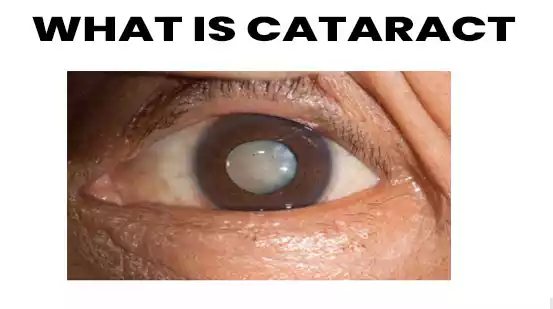
What is Cataract: Signs/Symptoms, Causes, Treatment & Management

What is Cataract SignsSymptoms, Causes, Treatment & Management

Definition

  • A cataract is a disorder in which opacity (cloudiness) in the lens of the eye and degeneration of lens fibers, lead to blurred vision.
  • A cataract occurs due to hydration, denaturation of lens protein, and sclerosis.
  • A cataract is the most common cause of blindness.

Cataract classification

  1. According to etiology  

  1. Acquired cataract

  • Acquired cataracts commonly occur.
  •  Acquired cataract are
    • Senile cataract
    • Metabolic cataract
    • Complicated cataract
    • Traumatic cataract
    • Cataracts

      associated with skin disease

    • Drug Induced cataract
    • Cataract with miscellaneous syndrome
    • Electric cataract.
  1. Developmental cataract  

  • Also known as the congenital cataract occurs due to disturbance in normal development of the lens.
  • Generally development cataracts occur in the infancy to adolescence, due to genetic disorders.

     2.   According to morphology

  1. Subcapsular cataract – anterior subcapsular cataract.
  • Posterior subcapsular cataract.
  1. Cortical cataract –

a cataract occurs due to wedge shape or radial spoke like opacities of lens.

  • Occur outer edge of the lenses.
  1. Nuclear cataract –

a cataract occurs in the center of the lens.

  • Yellow to Brown coloration.

Causes of Cataract

Cataract
Cataract
  • Hereditary
  • Family history
  • Age factors
  • Malnutrition during pregnancy
  • Radiation exposure
  • Excessive use of corticosteroids
  • Down syndrome
  • Skeletal syndrome
  • Chromosome abnormality
  • Birth trauma
  • Infection
  • Diabetes mellitus
  • Trauma
  • Marfan syndrome
  • Previous ocular surgery
  • Wilson disease.

Pathophysiology of Cataract

Cause / Etiology

Traumatic damage the lens fibres

Rupture lens capsule

Hydration of lens fibers

Opacity of lens.


Signs/Symptoms of Cataract

Clinical manifestation of

Cataract Clinical manifestation

  • Cloudy vision
  • Blurred vision
  • Photophobia ( sensitive to light )
  • Double vision
  • Monocular diplopia
  • Glare
  • Distortion of lines
  • Reduce visual acuity
  • Dim red reflex
  • Poor vision at night
  • Decrease colour perception
  • White pupil.

Diagnostic examination of Cataract

  • History collection and physical examination.
  • Direct ophthalmoscope examination.
  • Snailing visual acuity test.
  • Slit lamp examination.
  • Tonometry.
  • Retinal examination.

Medical management of Cataract

  • Use glasses
  • Optical aids
  • Pupillary dilation
  • Topical steroids
  • Antibiotics drops
  • Steroid drops.

Surgical management of Cataract

  1. Intracapsular extraction – remove the whole lens and surround it.
  2. Extracapsular extraction – only cataract removal.
  3. Cryosurgery
  4. Phacoemulsification – emulsifying of the lens by a hollow needle vibrating and ultrasonic speed.

Complication – Blindness.


Nursing management

  • Nurses monitor patients’ visual acuity and vital signs.
  • Examine the complete morphology of lens opacity under slit lamp examination.
  • Examine the cornea to find out any opacity of the lens.
  • Monitor intraocular pressure (IOP).
  • Nurses also assess pupillary response.
  • The nurse performed the cover test.
  • Use a nursing barrier to prevent infection.
  • Nurses assist the client during any activity.
  • Provide instruction about cataract patient care and Management.
  • Nurses help to conduct diagnostic examinations.
  • Provide adequate medications and other required treatment.
  • Provide emotional and physiological support and reduce anxiety.
  • Prepare the client for surgical intervention.
  • Administer local anesthesia with sedation before surgery.
  • Nurse counseling to relieve patient anxiety.


What is the main cause of cataracts?

Hereditary
Family history
Age factors
Malnutrition during pregnancy
Radiation exposure
Excessive use of corticosteroids
Down syndrome
Skeletal syndrome
Chromosome abnormality
Birth trauma
Infection
Diabetes mellitus
Trauma

  • Importance of Communication in Nursing
    What is Communication Communication is derived from the Latin word “Communicare” or “communico” both. Communication is a simple form that transfers ideas, thoughts, and information from one person to another person. Communication is a process in which a message is transmitted from the sender to the receiver. Communication helps in the mutual interchange of ideas, … Read more
  • 5000+ RRB Staff Nurse Previous Year Question Paper pdf download
    The Railway Recruitment Board (RRB) 5000+ RRB Staff Nurse Previous Year Question Paper pdf download. The Railway Recruitment Board (RRB) is expected to release recruitment notifications for the Staff Nurse position soon. Candidates interested in applying for the RRB Staff Nurse Recruitment can do so on the official RRB website. Additionally, candidates are advised to … Read more
  • Easy & Simple ways to improve the digestive system in 5 Days
    Easy & Simple ways to improve the digestive system in 5 Days. these steps help in improving your digestive health so please note these tips in your not book and follow these steps for at least 5 days for better results. Hi Friends My Name is Pradeep Kumar I am a medical and health freak … Read more
  • How to use PPE kit | PPE Kit का उपयोग कैसे करें Hindi
    COVID-19 देखभाल के लिए व्यक्तिगत सुरक्षा उपकरण [PPE] का उपयोग कैसे करें What is Personal Protective Equipment (PPE) पर्सनल प्रोटेक्टिव इक्विप्मेंट्स (पीपीई) सुरक्षात्मक गियर हैं जिन्हें स्वास्थ्य की सुरक्षा के लिए बनाया गया है एक जैविक एजेंट के संपर्क को कम करके श्रमिक। [Components of PPE ] पीपीई के घटक पीपीई के घटक गॉगल्स, फेस-शील्ड, … Read more
  • Most Common Nursing Diagnosis List PDF
    Activity Intolerance:- Insufficient physical or psychological energy to endure or complete needed or desired daily activities. Acute Confusion:- Abrupt onset of a cluster of worldwide, transient changes and disturbances in attention, cognition, bodily process activity, level of consciousness, or the sleep/wake cycle. Acute Pain:- Unpleasant sensory associate degreed emotional expertise arising from actual or potential … Read more
  • What is the Abortion and Medical Termination Pregnancy (MTP-KIT Use) 2024
    What is Abortion before 20 weeks of pregnancy expulsion of viable called abortion Definition of abortion Medical Termination Act (MTP Act) is a careful termination of pregnancy by the medical and surgical method. Induce Abortion is Done under the MTP Act. MTP Act Passed = 1971 MTP Act implement = 1972 MTP Act provides legal … Read more
  • Pressure Sores (Bed Sore): Treatment, Stages, and Symptoms Nursing Management
    What is Pressure Sore (Bed Sore)? Pressure sore also known as bed sore and decubitus ulcer. A pressure sore is a localized ulceration of tissue. Bed sore occurs due to necrosis of tissue, because of prolonged pressure over the area. Long-time pressure causes a decreased blood supply in particular sites and damages pressure sites or … Read more
  • RMLIMS Jobs 2024 – Apply Online for 665 Nursing Officer Posts
  • NVS Staff Nurse Recruitment 2024 Apply Online for 1377 Posts
  • Diabetes Mellitus | Cause, Types, Symptom Nursing Management
    What is Diabetes Mellitus Diabetes mellitus is an endocrine disorder of the pancreas gland in which beta cells of the pancreas do not produce enough insulin. The main feature of diabetes mellitus is hyperglycemia (High blood glucose level) to affects of insulin production and action. Definition of Diabetes mellitus Diabetes mellitus is a chronic metabolic … Read more
  • What is Bsc Nursing? Syllabus, Fees And Salary
    What is Bsc Nursing? Bsc nursing is a degree which is done after 12th. After doing Bsc Nursing, you can reduce to the post of Staff Nurse in the hospital. In today’s world, health care professionals play a vital role in the well-being of individuals and communities. To pursue a career in healthcareAmong the various … Read more
  • DAMS Handwritten Notes PDF Free Download
    In this post, missionnursing will walk through DAMS handwritten notes. These notes are by the Delhi Academy of Medical Sciences PVT.LTD. (DAMS). DAMS is an academy providing coaching to medical students in India. It has helped the students in the following areas. Like MD/MS Entrance Exam, MCI Screening, MDS Quest/NBDE, Medical-IAS, etc. DAMS Notes PDF … Read more
  • What is Normal and Abnormal Puerperium, Maternal Care?
    Definition of Normal Puerperium Puerperium is Defined as the period following childbirth till 6 weeks. Puerperium is the period that follows the complete 3rd stage of labor and continues within 6weeks. The puerperium period involves the involution of the reproductive organs. Stages of Puerperium Immediate puerperium – Within 24 hours Early puerperium – Within 2nd -7th Days … Read more
  • Anatomy And Physiology Notes PDF For GNM 1st Year- 2024
    Anatomy And Physiology PDF Notes Free for GNM 1st Year- 2024 Notes for GNM and ANM Students GNM 3 yrs Curse students. GNM Notes are helpful for all GNM, ANM, Post BSC Nursing, B.Sc Nursing, and Other Medical Students. In These Anatomy And Physiology PDF Notes Free For GNM 1st Year- 2024 Notes include Topic … Read more
  • Aiims previous year question papers with solutions pdf
    All India Institute of Medical Sciences, popularly known as AIIMS, is the most prestigious medical institute in India country. AIIMS offers various degrees in medicine dentistry and many other subjects. All India Institute of Medical Sciences (AIIMS) offers many courses like MBBS, DM/M.Ch, Fellowship Programme, MD, B.Sc Nursing, M.Sc Nursing, and others. Qualifying for the … Read more

Burn: Types, Treatment, and Nursing Management

Burn: Types, Treatment, and Nursing Management

What is Burn  

  • A burn is an emergency and life-threatening condition that causes the destruction of the surface. A layer of the body due to exposure to thermal, chemical, electrical and radiation sources.
  • Burn affects the major system of the body and causes systemic body function loss.

Cause of burn

Thermal burn –

  •  A thermal burn is the most common cause of burn.
  • Thermal burns occur due to exposure or contact with Fire, hot liquids, flame, hot metal, flash, and stem.

Chemical burn –

  • occurs due to organic and inorganic substances.
  • Acidic products cause coagulative necrosis and alkaline chemicals cause colliquative necrosis.

Electrical burn –

  • Electrical burn occurs due to exposure to electric current, or short circuits.
  • The intensity of electrical burn depends on – the voltage mode of current and time of touch to electricity.

Other Burn –

  • Inhalation burns occur due to hot smoke.
  • Radiation burn occurs due to sunlight, X-Ray.

Risk factors of burne

  • Fire
  • Hot summer
  • During cooking
  • Occupational hazards
  • Electricity repairing.
Burn classification / Types of Burn

A/C to body surface area – 

Estimation of burn, on basis of body surface area. Total body surface area – 100%.

“Rule of nine ” is used to measure burn body surface area.

Rule of nine –

Rule of Nine

Head and neck 9%
Upper extremities 18% (9*2)
Lower extremities 36% (18*2)
Back and chest 36% (18*2)
Genital 1%
Total Burn 100%

According to the “Rule of nine,” an estimated burn surface area is less than 25% is indicated → mild to moderate burn.

If more than 25% burn indicates → severe burn.

Mild to Moderate Burn = 25% of body area is burned

Severe burn = more than 25% burn

Based on depth  

First-degree burn

  • Superficial thickness burn
  • Superficial partial thickness burn

Second-degree burn

  1. Deep partial thickness burn
  2. Full thickness burn

third degree burn

  1. Deep full thickness burn.

Superficial thickness burn

  • Burns involve the epidermis.
  • Cause – sunburn, flash, hot liquid
  • Symptoms – pain, redness, tingling sensation, erythema, and swelling.
  • Symptoms subside after 48 hours.
  • Recovery within 3 – 7 days.

Superficial partial thickness burn

  • Burns involve the epidermis and superficial areas of the dermis.
  • Cause – hot liquid, cooking, steam, chemicals.
  • Symptoms – blister formation, pain, redness, tenderness, pink and moist wound.
  • Mild pigmentation formation and no scar formation.
  • Edema present.
  • Burn is sensitive to cool air.
  • Burn recovery within 10 – 21 days.

Deep partial thickness burn

  • Burns involve the complete epidermis and incomplete dermis skin layer.
  • Cause – scalds, flash, flame
  • Symptoms – No blister formation, alternative pain
  • Red wound
  • Dry wound with a deep white area
  • Moderate edema
  • Tissue necrosis
  • Hypoxia and ischemia
  • Scar formation.
  • The recovery period is 3 – 6 weeks.
  • Deep partial thickness burn requires skin grafting.

Full thickness burn

  • Burn involved the complete epidermis and complete dermis layer.
  • Cause – electrical current, chemical, long time exposure with hot liquid and heat, flame etc.
  • Symptoms – deep red, white, yellow, Brown or black wounds.
  • Dry hard eschar formation in the full-thickness burn.
  • Edema will be present in full-thickness burns.
  • No pain was present in the full-thickness burn.
  • Loss of sensation due to nerve-ending destruction.
  • Some disabilities and deformities.
  • Recovery is possible by skin grafting and is dependent on months.
  • An escharotomy procedure is done.

Deep full thickness burn

  • Burn involves the epidermis, dermis, subcutaneous fat, muscles, organs etc.
  • These types burn the bones.
  • Symptoms – black open wound.
  • Sensation completely absent
  • Scar formation
  • No pain
  • Visible bone, organ, mass and vessels
  • Blood leakage.
  • Skin grafting (autograft) is required.
  • Recovery depends months to years.

Pathophysiology of Burn

Burn

Increase capillary permeability

Excessive loss of body fluid

Hypovolemia

Decreased cardiac output

↓                                  ↓                                      ↓

Loss of myocardial loss of kidney  accumulation
Function function  of fluid into


Lungs

↓                                   ↓                                       ↓

Heart failure               kidney failure             edema and

Infection


Multi-organ dysfunction.

Sign and Symptom of Burn

Burn effect on Respiratory System –

  • acute respiratory distress syndrome (ARDS)
  • Respiratory failure
  • Pulmonary edema
  • Hypoxia.

Burn effect on Cardiac System –

  • cardiac failure
  • Hypertension and shock
  • Tachycardia.

Burn effect on Renal System –

  • oliguria and anuria
  • Loss of kidney function
  • Decrease GFR
  • Acute kidney failure.

Burn effect on GIT-

  • GI bleeding
  • Peptic ulcer
  • Decrease peristalsis movement
  • Decrease GI perfusion.
  •  

Burn effect on Integumentary System-

  • inflammation
  • Skin loss
  • Alopecia
  • Sensation loss.
  • Thermoregulatory
  • increase BMR
  • Heat loss.

Electrolytes Imbaance in burn –

  • hyperkalemia
  •  Hypovolemia.

Burn Medical management

  1. Emergency / Resuscitation phase
  2. Resuscitative phase
  3. Acute phase
  4. Rehabilitation phase.

Emergency / Resuscitation phase of Burn

  • Begins from burn to regain capillary permeability.
  • Emergency / resuscitative phase 48 – 72 hours period phase.
  • Include –

Burn Prehospital care

  • Prehospital care from burn to when emergency care is obtained.
  • Remove the source of the burn from the victim.
  • Monitor ABC ( Airway, breathing and circulation )
  • Physical examination and assess any trauma and injury.
  • Patient cover with sterile or clear clothes.
  • Remove any metal items, jewelry from the patient.
  • Transfer the patient to the emergency department

Burn Emergency department care

  • Monitor patient burn type, degree of burn, and site of the burn.
  • ABC analysis.
  • Airway clearance and administer 100% oxygen.
  • Administer IV line to maintain hydration status.
  • Monitor any respiratory distress and arrange intubation equipment.
  • ABG analysis (arterial blood gas).
  • Maintain NG tube and catheterization administration.
  • Provide all prescribed medication such as – antibiotics, analgesics, TT injection, etc.
  • Cover the patient with a bed cradle.

Burn Resuscitative phase

  • The resuscitative phase starts from 48 hours to 72 hours.
  • Start from fluid administered to capillary permeability regain.
  • Administration according to the Parkland formula.
Parkland formula –
  • 4ml RL * weight in kg * total burn surface area.
  • Calculated half fluid administers within 8 hours and remaining half fluid administer within next 16 hours.
  • The effectiveness of administration is assessed by urine output.
  • Mental patient NPO and provide total parenteral nutrition.
  •  Administer analgesics to relieve pain.
  • Escharotomy and fasciotomy procedure provide.
  •  

Acute phase of Burn

Acute phase starts after 48 – 72 hours.

Acute phase starts from a patient is hemodynamically stable to wound closure.

Acute phase includes –

  • Appropriate wound care and treatment
  • Wound closure and dressing
  • Surgically wound cleaning and debridement
  • Skin grafting ( autografting )
  • Nutritional support
  • Administration medication
  • Pain management
  • Infection control and prevention
  • Physical therapy
  • Health education.


Rehabilitative phase of Burn

Rehabilitative phase is a final phase of burn patient care.

Rehabilitative phase include –

  • Provide physiological and emotional support.
  • Promote wound healing.
  • Increase the strength of organ function.
  • Minimise the complication and deformities.

Complications of burn

  • Loss of body function
  • Deformity
  • Disturb body image
  • Renal failure
  • Disturb body image
  • Gastrointestinal haemorrhage
  • Local edema
  • Bone marrow suppression.

Nursing management of Burn

  • Nurse monitors patient ABC (Airway, breathing, circulation) and vital signs.
  • Maintain Airway clearance administer 100% oxygen therapy.
  • Avoid the exposure of burn from the victim.
  • Nurse Identify the type of burn, site, severity and pain intensity.
  • Nurse monitored the burned body surface area according to the rule of nine.
  • Nurse help in pre hospital care and emergency department care.
  • Cover the patient with sterile cloth, by using a bed cradle.
  • Calculate the fluid according to parkland formula.
  • Nurses administer half fluid within 8 hours and remaining half fluid next 16 hours.
  • Administer TT injection and analgesic after burn as soon as.
  • Maintain patient NPO and administer NG tube.
  • Provide total parenteral nutrition.
  • Provide appropriate wound care and treatment.
  • Nurses help in providing skin autografting.
  • Provide appropriate care of graft and donor site.
  • Nurses isolate the patient and prevent infection.
  • Nurses use proper barrier nursing.
  • Monitor hourly urine output.
  • Provide physical therapy and health education.
  • Provide physiological support due to disturbing patient body image.


Reference – Nclex sounder 2nd edition Page no. 553 to 560.

Burn Question and Answer-

  1. What is the most common cause of burn?

    Thermal burn.

  2. Which type of burn causes cognitive necrosis?

    Acidic chemical burn.

  3. What Region of Inhalation burns?

    Hot smoke.

  4. What is the Most common source of radiation burn?

    U.V. rays.

  5. What is the Rule of nine?

    Rue of nine is the burn body surface area calculation formula

  6. How to Calculate Burn body surface of radiation burn?

    Rule of nine.

  7. According to rule of nine, severe burns indicate

    Burn body surface area more than 25%.

  8. Deep full thickness burn include which burn?

    Third-degree burn

  9. Which type of burn depth causes the blister formation?

    Superficial partial thickness burn

  10. Which type of burn causes no pain

    3rd degree burn

  11. Complete epidermis and dermis burn

    Full thickness burn.

  12. Most common grafting procedure in burn

    Autograft.

  13. A deep full thickness burn wound is

    Black open wound.

  14. What region of the Burn causes the sensation loss?

    Destruction of nerve endings.

  15. What indicates the Hydration status of a burn patient

    Hypovolemia.

  16. In burn patients, fluid is calculated by

    Parkland formula.

  17. What is the Parkland formula?

    4 mL RL * body weight * body surface area.

  18. First nursing action in burn patient

    Open airway.

  19. The acute phase of burn management starts after

    72 hours.

  20. What is the Final phase of burn management?

    Rehabilitative phase.

  21. What are Common nursing actions to control Burn infection?

    Use barrier nursing.

  22. Which type of bed is used for a burn patient?

    Bed cradle.

  23. What are the 5 types of burns?

    Thermal burn
    Chemical burn
    Electrical burn
    First-degree burn
    Second-degree burn
    Third-degree burn

  24. How do you classify burn?

    Burn classification A/C to body surface area –
    Thermal burn
    Chemical burn
    Electrical burn
    Depth of burn-
    First-degree burn
    Second-degree burn
    Third-degree burn

  25. Should I put ice on the burn?

    Yes or not maybe depends on which type of burn-on-burn type

  26. Should you cover a burn or let it breathe?

    yes

  27. What are the four phases of definitive burn care?

    Provide physiological and emotional support.
    Promote wound healing.
    Increase the strength of organ function.
    Minimize the complication and deformities.

Acne Vulgaris: Causes, Types, Treatment, and Nursing Management

Acne Vulgaris: Causes, Types, Treatment, and Nursing Management

What is Acne Vulgaris?

  • Acne vulgaris is the most common inflammatory disorder of the sebaceous gland.
  • Acne vulgaris begins during puberty and is commonly found in males.
  • Acne vulgaris occurs due to abnormality in sebum production.


Definition of Acne Vulgaris

  • Acne vulgaris is a chronic skin disorder that develops lesions on the face, neck, chest, shoulder, and back due to obstruction and inflammation of the sebaceous gland and follicles.
  • Acne vulgaris occurs in different forms such as – comedians, nodules, pustules, and papules.
  • Low self-esteem, depression, and anxiety are common features in patients with acne.


Cause of Acne vulgaris

  • Unknown
  • Increase androgen activity
  • Genetic disorder
  • Obesity
  • Infection of the sebaceous duct
  • Hormonal change
  • Abnormal follicle differentiation
  • Excessive sebum production
  • Obstruction in sebaceous duct
  • Family history of acne
  • The proliferation of Propionibacterium acnes
  • Smoking and stress
  • Environmental change
  • Salon facial massage
  • Dietary supplements (High-fat diet).


Pathophysiology of Acne Vulgaris

Cause / puberty

Increase androgen level

Excessive enlargement of the sebaceous gland

Increase production of sebum and oil

Sebum and oil accumulate below the epidermis

Acne.


Clinical features of Acne vulgaris

  • Closed comedones ( whiteheads )
  • Open comedones ( blackheads )
  • Small and whitish papules
  • Pimples and nodules
  • Oily skin
  • Localize pain and tenderness
  • Pus formation into pustules
  • Cysts formation
  • Deep scanning.


Diagnostic examination of Acne vulgaris

  • Family history collection.
  • Physical examination
  • Assess endocrine function
  • Biopsy of lesions.


Medical management of Acne vulgaris

  • Administer topical and oral antibiotics.
  • Systemic antibiotics – doxycycline, minocycline.
  • Retinoid therapy – reduces abnormal hyperproliferative keratinocytes sites and inhibits sebum production.
  • Topical antibacterial and comedolytics.
  • Benzoyl peroxide
  • Vitamin A acid
  • Hormone therapy
  • Laser and phototherapy treatment.


Dietary management of Acne vulgaris

  • Avoid – chocolate, milk product, tea, coffee, cola, fried foods, excessive oily foods, junk foods, and high spicy foods.


Nursing management of Acne vulgaris

  • Nurses conduct physical examinations and collect family history.
  • Assess patient endocrine function.
  • Monitor patient dietary patterns.
  • Nurse advise to patients to wash their face with oil free face wash and water.
  • Encourage the patient to avoid high spicy and oily foods.
  • Provide instruction about avoiding manipulation of pimple blackheads.
  • Nurse provides education about –
  • Do not squeeze and prick the acne.
  • Do not use oily cosmetics.
  • Do not hard scrubs during face wash.
  • To maintain a balanced diet.
  • Away from a dusty environment.
  • Maintain hygiene.

Also Read:-

  1. Ear Infection (Otitis Media): Symptoms, Causes
  2. Meniere’s Disease: Symptoms, Causes, Treatments
  3. Angina Pectoris: Symptoms, Causes & Treatment


Frequently ask Questions related to Acne 

What is Acne Vulgaris?

Acne Vulgaris is an Inflammation disorder of the sebaceous gland

Which gland affects acne vulgaris?

Endocrine Gland.

Which Common features are found with acne, in puberty?

Low Self-esteem and Depression.

What is the Common cause of acne?

Diet is the Most Common Cause of Acne

What is Moderate Acne?

Moderate Acne is Inflammatory lesions with few pustules

Blackheads also know

Another Name for Blackheads is Open comedies

Whiteheads are also known as

Closed Comedones.

What Causes acne Vulgaris?

Increase androgen activity
Genetic disorder
Obesity
Infection of the sebaceous duct
Hormonal change
Abnormal follicle differentiation
Excessive sebum production
Obstruction in sebaceous duct
Family history of acne
The proliferation of Propionibacterium acnes
Smoking and stress
Environmental change
Salon facial massage
Dietary supplements (High-fat diet).

What is the Difference between acne and acne vulgaris?

Acne Vulgaris:-
Acne vulgaris is the most common inflammatory disorder of the sebaceous gland.
Acne vulgaris begins during puberty and is commonly found in male.
Acne vulgaris occurs due to abnormality in sebum production.

Acne:-
Acne is a skin condition that occurs when your hair follicles become plugged with oil and dead skin cells.

What is treatment for acne vulgaris?

Administer topical and oral antibiotics.
Systemic antibiotics – doxycycline, minocycline.
Retinoid therapy – reduces abnormal hyperproliferative keratinocytes sites and inhibits sebum production.
Topical antibacterial and comedolytics.
Benzoyl peroxide
Vitamin A acid
Hormone therapy
Laser and phototherapy treatment.

Ear Infection (Otitis Media): Symptoms, Causes

Ear Infection (Otitis Media): Symptoms, Causes

Terminology

  • Otalgia – pain in the ear.
  • Otology – otology is a study of ear disease.
  • Otorrhea – otorrhea is a discharge from the ear.
  • Tinnitus – tinnitus is the sensation of ringing sound in the ear.
  • Deafness – loss of earing.
  • Vertigo – sudden internal or external spinning sensation.
  • Otorrhagia – otorrhagia is bleeding from the ear.
  • Audiometry – audiometry is an instrument used to measure hearing.
  • Otomycosis – otomycosis is a fungal inflammation in the ear that causes irritation.
  • Otoplasty – otoplasty is a surgical procedure of repair and reconstruction of the ear.
  • Tympanoplasty – it is a procedure of repairing tympanic membranes.
  • Otorhinolaryngology – is a study of ear, nose and throat ( ENT ) disease.
  • Myringotomy – Incision into tympanic membrane and fluid drainage from the middle ear cavity.
  • Mastoiditis – inflammation of the mastoid bone.
  • Earache – pain in inner and outer ear.


Definition of otitis media

  • Otitis media is a group of inflammatory disorders of the middle ear, which result in fluid accumulation within the middle ear.
  • Effusion in the middle ear causes hearing loss and Earache.
  • Otitis media most commonly occur in infants and young children.


Types of otitis media

  1. Acute otitis media – It is an acute inflammation of the middle ear ( less than 6 weeks).
  2. Chronic otitis media – chronic otitis media is a repeated episode of acute otitis media.
  • It also leads to mastoid bone infection.
  1. Serous otitis media – accumulation of the serous fluid in the middle ear cavity and lead to eustachian tube obstructions.


Acute otitis media

  • Acute otitis media is an acute inflammation of the middle ear.
  • Inflammation typically occurs less than 6 week.
  • Most common infection route is the eustachian tube.


Cause of acute otitis media

  • Bacterial infection – streptococcus pneumonia, H. Influenza.
  • Chronic rhinitis and sinusitis.
  • Recurrent attack of common cold.
  • Upper respiratory tract infection.
  • Nasal allergy
  • Cleft palate
  • Head injury
  • Tympanic membrane injury.


Clinical features of Otitis Media

  • Pain and discomfort
  • Hearing loss
  • High grade fever
  • Purulent drainage
  • Hearing impairment
  • Tinnitus ( running in the ear )
  • Mastoiditis
  • Nausea and vomiting
  • Headache
  • Nasal and vomiting
  • Headache
  • Nasal congestion
  • Restless and irritability
  • Loss of appetite
  • Perforation of eardrum
  • Otalgia or otorrhea.


Diagnostic examination of Otitis Media

  • History collection of physical examination.
  • Audiometry – assess hearing.
  • Tuning for test
  • Sensitivity test
  • Otoscopic examination
  • Tympanometry.


Medical management of Otitis Media

  • Antibiotics – to treat inflammation.
  • Analgesic drug – to treat ear pain.
  • Antipyretic drug – to treat fever.
  • Antibiotics drops.
  • Antiseptic ear wash.
  • Nasal decongestant – remove eustachian tube blockage.


Surgical management of otitis media

  • Myringotomy – Incision into tympanic membrane and fluid drain.


Otitis media Complications

  • Chronic otitis media.
  • Hearing loss
  • Perforation.


Chronic otitis media

  • Chronic otitis media is inflammation of the middle ear for more than 6 weeks.
  • Chronic otitis media is a repeated episode of acute otitis media.


Otitis media Etiology

Acute otitis media.

Eustachian tube deformity.

Cleft palate, sinusitis.

Allergic rhinitis.

Entrance of foreign body in ear.

Upper Airway sepsis.

Virulent infection – measles.


Pathophysiology of otitis media

Infection / etiology / cause

Inflammation of the middle ear

Serous fluid accumulation in the middle ear cavity

Tympanic membrane damage

Pus formation

Tissue necrosis

Conductive hearing loss.


Otitis media Clinical manifestation

  • Otalgia ( ear pain )
  • Restless and irritation
  • Obstruction in the eustachian tube
  • Ear swelling and redness area
  • Ringing sound ( tinnitus )
  • Conductive deafness
  • Perforation of tympanic membrane
  • Ear drainage.


Diagnostic examination of otitis media

  • History collection and physical examination.
  • Otoscopic examination.
  • Audiometry and tympanometry.
  • Serous drainage culture and sensitivity test.
  • CT scan and MRI.


Otitis media Medical management

  • Antibiotic drops installation.
  • Systemic antibiotics.
  • Aural toilet.
  • Topical steroids.


Otitis media Surgical management

  • Tympanostomy – To expose the middle ear and assess the ossicles.
  • Tympanoplasty – Surgical repair of tympanic membrane.
  • Myringotomy – Create an artificial opening and drain fluid.


Otitis media Nursing management 

  • Nurses monitor patient hearing status and vital signs.
  • Monitor intensity of ear pain.
  • Provide comfort position to the unaffected ear.
  • Maintain hygiene conditions to prevent infection.
  • Nurses monitor hearing ability frequently.
  • Nurses established trustable relationships with patients.
  • Provide prescribed medication and other treatments.
  • Help in conducting all diagnostic procedures.
  • Provide knowledge about disease conditions.
  • Provide health education and awareness.


QnA.

Otitis media is a group of inflammatory disorders in which body part

Middle ear

Otitis media most commonly affect the

Children

Acute inflammation of the middle ear

Acute otitis media

Most common bacteria cause otitis media

Streptococcus pneumonia

Common Risk factors for ear infection in infants?

Bottle feeding

What do you mean by Ringing sensation sound in the ear

Tinnitus

What are Repeated episodes of otitis media caused

Chronic otitis media

Audiometry is used to measure

Hearing

Bleeding from the ear is called

Otorrhagia

Serous fluid in middle ear space

Serous otitis media

Fracture: Types, Traction, treatment, and Nursing Management

Fractures: Types, Traction, treatment, and Nursing Management

Definition of Fracture

What is a fracture?

  • Fracture is defined as breaking the continuity of bones due to excessive pressure on bones.
  • Fracture is characterized by the separation of bone into two or more pieces resulting from direct or indirect force.


Causes of Fracture

  • Accident
  • Fall from a height
  • Direct and indirect blow
  • Domestic and occupational injury
  • Sports injury
  • Repetitive force
  • Pathology condition and malnutrition
  • Prolonged stress
  • Aging process.

Types of Fractures  

  1. Open fracture

  • Open fracture is also called compound and complex fracture.
  • Open fracture includes open skin bound.
  • In open fracture, the bone comes out of the skin.
  1. Close fracture  

  • Closed fracture also called simple fracture.
  • Closed fracture does not involve break skin.
  • In a closed fracture, bone breaks but does not come out of the skin.
  1. Complete Fracture –

  • Complete bone fracture includes the complete break of the bone into two divided parts.
  1. Incomplete Fracture

  • Incomplete bone fracture also called greenstick fracture.
  • In these fractures, bon breaks but incompletely.
  1. Impacted Fracture

  • In the impacted fracture, the bone breaks and penetrates into each other.
  1. Pathologic Fracture

  • Pathological fractures occur due to any bone disease and inflammation.

Eg. – Osteoporosis.

Pattern of Fracture 

  1. Transverse fracture – fracture straight across the bone.
  2. Oblique fracture – fracture at an angle across the bone.
  3. Greenstick fracture – The Bone breaks from one side and bent to the other side.
  4. Spiral fracture – Twists around the shaft of bone.

Clinical Manifestation 

  • Acute pain
  • Tenderness, swelling
  • Hematoma
  • Loss of function
  • Swelling and bruising
  • Short extremities
  • Bleeding from an open wound
  • Ecchymosis
  • Numbness
  • Crepitation ( abnormal mobility )
  • Injured blood vessels
  • Localized edema.

Diagnostic Examination of Fracture

  • History collection and physical examination.
  • Bone x-ray.
  • CT scan and MRI.

Medical Management of Fracture

  • Monitor patient ABC (Airway, Breathing and Circulation).
  • Administer analgesic and TT injection.
  • Assess fracture type and bleeding intensity.
  • Immobilize the patient.
  • Apply Ice to reduce pain and swelling.
  • Administer oxygen and IV line.
  • Pressure bandage applied to prevent bleeding.
  • Fracture Management procedure –
  1. Reduction
  2. Fixation
  3. Traction
  4. Cast application.
  5. Reduction

  • Reduction is done to make fracture bone in the appropriate alignment.
  • Reduction is the first stage of the healing process.
  • Reduction process helps to reduce the space between fracture bones.
  • Reduction helps to keep the bone straight.
  • Reduction divided into –
  1. Open reduction
  2. Closed reduction.
  • In open reduction, exposing the skin inside and break bone arrange in proper alignment.
  • In closed reduction, the bone is pulled and brought into the natural alignment.
  1. Fiction

  • Fixation helps to fix reduction and        fix in proper alignment.
  • Fixation divided into internal fixation and external fixation.
  • Internal fixation is performed by exposing the skin by – screw, plates, wires, pins and roads.
  • External fixation fixes the alignment from outside with the help of a frame.
  1. Traction

  • Traction applies the pulling force on the break bone so that the break bone returns into its normal alignment.
  • Traction –
  1. Skin traction ( pulling force on skin )
  2. Skeletal traction (pulling force on bone).
  • Indication of traction – maintain proper alignment
  • Reduce spasm
  • Reduce pain
  • Reduce neurological injury.

      4.  Cast application for fracture

  • Cast is a material that hardens by drying and provides support to fracture bones.
  • The most cast applied on the fracture part which becomes hard after drying and keeps the alignment for a long time.
  • Two type cast is –

  1. POP ( plaster of Paris )
  2. Synthetic fibre glass
  • POP takes 48 to 72 hours to dry and synthetic fibre glass takes 20 – 30 minute to dry.

Nursing Management of fracture 

  • Nurse monitors the patient’s Airway, breathing, circulation (ABC) and vital signs.
  • Monitor type of fracture, site and intensity of pain.
  • Assess bleeding and apply pressure bandages to prevent bleeding.
  • Assess level of consciousness by Glasgow Coma scale.
  • Administer oxygen therapy and IV therapy.
  • Nurses maintain patients in immobilization positions.
  • Provide all emergency treatment and prescribed medication.
  • Conduct radiological procedure to identify fracture.
  • Nurses conduct reduction procedures and maintain fracture bones into natural alignment.
  • Nurses apply traction, to prevent immobilization of the fracture part.
  • Nurse monitors the traction site and applies normal dressing.
  • In traction, required weight apply and traction must not touch the ground.
  • Nurses apply moist cast on fracture areas to maintain fix alignment.
  • Fracture part after cast application, elevated to reduce swelling.
  • Nurses use only a cool mode of air dryer to dry the cast.
  • Nurses observe any complication of fracture.
  • Provided psychological and emotional support.
  • Provide health education during discharge planning.
  • Provide rehabilitation programs.
  • Education about crutch walking.

Complication of Fracture

  1. Compartment syndrome
  2. Fat embolism
  3. Infection
  4. Osteomyelitis
  5. Pulmonary embolism
  6. Loss of muscle strength
  7. Muscles atrophy
  • Fat embolism is the most common complication of fracture.
  • In the condition of fat embolism, fat is released from the fractured part and goes into circulation.
  • Fat embolism converts into pulmonary embolism and causes life-threatening conditions.
  • Compartment syndrome is a painful and dangerous condition due to build-up pressure from internal bleeding and swelling.
  • Generally, compartment syndrome is associated with closed fractures.
  • Osteomyelitis is a disorder of bone and muscles characterized by an infection in the bone and muscles
  • Muscle atrophy is a muscle wasting disorder that causes loss of muscle tissue.

FAQ.

Break the continuity of bone

Fracture

What is the most common cause of fracture?

Motor Vehicle accidents.

What is Another name for a compound fracture?

Open Fracture.

Another name of close fracture

Simple Fracture.

Fracture divides the bone into two sections

Complete Fracture.

Which fracture includes, the bone that comes out of the skin

Open Fracture.

Common fracture found in the children?

Greenstick Fracture.
Incomplete Fracture.

Greenstick fracture is also known as

Incomplete Fracture.

A fracture occurs due to osteoporosis disease

Pathological Fracture

Menopause women cause fractures due to

Osteoporosis Disorder.

Which Fracture bone breaks from one side and is bent to another side?

Greenstick Fracture.

What is the most common complication of fracture?

Fat Embolism.

What is the life-threatening complication of a fracture

Pulmonary Embolism.

Which diagnostic procedure helps to identify close fractures?

x-ray.

How to Reduce Fracture site swelling?

Ice Application.

What is the first stage of the healing process in Fracture?

Reduction Procedure.

How to Apply pulling force to maintain normal bone alignment?

Traction.

Most Commonly usable cast at the fracture site in the hospital?

POP (Plaster of Paris)

What Normal duration, POP takes to dry?

48 – 72 hours.

Muscle wasting disorder is

Muscles atrophy.

Meniere’s Disease: Symptoms, Causes, Treatments,

Meniere's Disease Symptoms, Causes, Treatments,


Definition of Meniere’s Disease

  • Meniere Disease is an inner ear disorder that causes episodes of vertigo due to dilation of the endolymphatic system or increased volume of endolymph.
  • Meniere’s Disease includes the – vertigo
    • Deafness
    • Tinnitus.
  • Meniere’s Disease usually occurs in adulthood.


Causes of Meniere’s Disease

  • Unknown cause
  • Allergic reaction
  • Autoimmune response
  • Hemorrhage
  • Viral infection
  • Metabolic disorder
  • Emotional factor
  • Anatomical abnormalities
  • Circulatory disorder
  • Genetic predisposition.


Clinical manifestation of Meniere’s Disease

  • Vertigo
  • Sensorial hearing loss
  • Tinnitus ( ringing sensation )
  • Dizziness
  • Irritability
  • Anxiety
  • Loss of balance
  • Disorientation
  • Sweating
  • Nausea and vomiting
  • Rapid pulse rate.


Diagnostic examination of Meniere’s Disease

  • History collection and physical examination.
  • Audiometry – to determine hearing disorder.
  • Electronystagmogram ( ENG ) – evaluate the balance.
  • Electrocochleography – measure fluid pressure in the inner ear.
  • CT scan and MRI.


Medical management of Meniere’s Disease

  • Diuretics drug – to decrease fluid volume.
  • Steroids drug – to treat inflammation and edema.
  • Mild analgesic – to treat pain.
  • Antihistamine – cetirizine
  • Antiemetics – to treat vomiting.
  • Provide hearing aids.
  • Mild sedative drugs – alprazolam.


Surgical management of Meniere’s Disease

  • Endolymphatic sac shunt surgery – Reduce the pressure of endolymphatic space.
  • Vestibular nerve section – the surgical procedure of removing the vestibular nerve of the intracranial.
  • Labyrinthectomy – a surgery procedure that destroys the part of the ear that controls balance.
  • Cochleo Sacculotomy – used to drain fluid.


Nursing management of Meniere’s Disease

  • Nurses monitor patient hearing balance and other physical findings.
  • Assess the severity and frequency of attack any associated ear symptoms.
  • Conduct vital sign assessment.
  • Provide instruction to restrict the sudden movement of the head.
  • Provide all general care to patients and maintain patient hygiene status.
  • Nurses follow universal precautions to control infection.
  • The Administrator prescribed treatment and IV fluids.
  • Provide a low sodium diet to patients.
  • Instruct about avoiding intake of alcohol and smoking.
  • Provide awareness about disease and procedure.
  • The nurse maintains documents and finds them.
  • Provide physiological support.
  • Nurses educate about the benefits of follow-up care.


Key Points of Meniere’s Disease

  1. Meniere Disease is a disorder of – Inner ear
  2. Meniere Disease tried symptoms – VertigoDeafness, and Tinnitus
  3. Which body part plays a key role in balance – Labyrinth
  4. Meniere Disease is a – Fluid balance disorder of the inner ear
  5. What is vertigo – A kind of dizziness

Meniere Disease is a disorder of – Inner ear

VertigoDeafness, and Tinnitus

Labyrinth

Fluid balance disorder of the inner ear

A kind of dizziness

Angina Pectoris: Symptoms, Causes & Treatment

Angina Pectoris: Symptoms, Causes & Treatment

Definition of Angina Pectoris

  • Angina pectoris is a clinical syndrome of ischemic heart disease characterized by ischemic chest pain due to myocardial ischemia.
  • Angina pectoris is a severe chest pain caused by an imbalance between the supply and demand of oxygen in myocardial tissue.


Cause of Angina Pectoris

  • Coronary artery atherosclerosis.
  • Coronary artery spasm.
  • Obstruction in coronary artery blood flow.
  • Thrombosis and embolism in the coronary artery.
  • Coronary artery disease.


Etiology of Angina pectoris

  • Obesity
  • Age, sex
  • Smoking
  • Hypertension
  • Use of cocaine
  • Diabetes
  • Sedentary lifestyle
  • Diet
  • Renal dysfunction
  • Mental stress
  • Physical exertion.


Types of Angina Pectoris

  1. Stable angina pectoris.
  2. Unstable angina pectoris.
  3. Variant angina pectoris.


Stable angina pectoris  

Also known as – exertional angina

  • Classic angina
  • Effort angina.
  • Stable angina is the most common angina.
  • Stable angina occurs due to emotional stress, heavy exercise, and increased cardiac workload.
  • Stable angina is resolved by rest and nitro-glycerine.


Unstable Angina pectoris  

  • Also known as preinfarction angina.
  • Unstable angina is more severe than stable angina.
  • Unstable angina occurs due to plaque formation in the coronary artery.
  • Unstable angina is more dangerous and requires emergency treatment and is not resolved by nitro-glycerine.


Variant Angina pectoris  

  • Also known as prinzmetal angina, vasospastic angina.
  • Variant angina rarely occurs due to spasms in the coronary artery.
  • The most common cause is vasospasm.
  • Variant angina occurs during rest.


 Pathophysiology of Angina pectoris

            Causes / etiology / risk factor

Myocardial tissue damage

Increase oxygen demand and less supply

Myocardial ischemia and necrosis

Ischemic chest pain

Angina pectoris.

Clinical manifestation of Angina pectoris

  • Mild to moderate crushing, squeezing chest pain.
  • Pain may radiate to the shoulder, arm, jaw, neck, or back.
  • Pain duration less than 5 minutes.
  • Pain intensity develops slowly.
  • Pain relief by adequate rest and nitro-glycerine.
  • Tachycardia and palpitation
  • Dyspnoea
  • Hypertension
  • Sweating
  • Chest discomfort
  • Fatigue
  • Anxiety
  • Dizziness
  • Pallor.


Diagnostic examination of Angina pectoris

  • History collection and physical examination.
  • ECG – ST-segment depression
  • T – Wave inversion.
  • Exercise ECG.
  • Chest X-ray.
  • Angiography of the coronary artery.
  • ECHO – determine anatomy.
  • CBC, urine test, LFT, RFT.
  • Lipid profile test.
  • Ultrafast computed tomography.


Medical management of Angina pectoris 

  • The drug of choice for angina – is nitrate.
  • Nitrate is administered through a sublingual route.
  • Other drugs are –
  • B – Blocker
  • Calcium channel blockers.
  • Antiplatelet medication.
  • Anticoagulants agents.
  • Proton pump inhibitors.
  • Antiemetic.
  • Vasodilators.
  • Administer oxygen.
  • Provide adequate rest to prevent cardiac workload.


Surgical management of Angina pectoris 

  • Median Sternotomy (open heart surgery).
  • Percutaneous Transluminal coronary artery angioplasty (PTCA).
  • Coronary artery bypass grafting (CABG).


Complication of angina  

  • Heart failure.
  • Myocardial infarction.
  • Acute renal failure.
  • Heart block.
  • Death.


Nursing management of Angina pectoris

  • Monitor patient vital signs and general appearance.
  • Evaluate the intensity of chest pain and duration.
  • Provide a semi-Fowler position and adequate bed rest to relieve the cardiac workload.
  • Administer nitrate drug in severe angina pectoris.
  • Administer oxygen according to the demand or supply.
  • The nurse administered the prescribed medication.
  • Provide physiological and emotional support to relieve anxiety.
  • Encourage patients to improve their lifestyles.
  • Educate the patient about the cessation of smoking and avoiding alcohol.
  • A reminder of patient vital signs.
  • Suggest modifiable risk factors.

Key Points

  1. The most common cause of angina pectoris – Coronary atherosclerosis.
  2. Ischemic chest pain less than 5 minutes – Angina.
  3. Drug of choice for angina pectoris – Nitrate.
  4. Most common angina pectoris – Stable angina.
  5. Which angina pectoris occurs during rest – Variant Angina.
  6. Classical angina pectoris also known – Stable Angina Pectoris.
  7. ECG finding in angina pectoris – ST-segment depression.
  8. A common route of nitrate administration – Sublingually.
  9. Angina occurs due to coronary artery spasm – variant angina.
  10. More dangerous angina pectoris – Unstable angina.

What is Parkinson’s Disease: Causes, Symptoms & Treatment

What is Parkinson's Disease Causes, Symptoms & Treatment

Introduction Parkinson’s disease

What is Parkinson's Disease Causes, Symptoms & Treatment
What is Parkinson’s Disease Causes, Symptoms & Treatment
  • Parkinson’s disease is a neurodegenerative disorder.
  • Parkinson’s disease was first described by James Parkinson in 1817 as “shaking palsy“.
  • Parkinson’s diseases mainly affect the central nervous system (CNS).

Definition of Parkinson’s disease

Parkinson’s disease is a chronic, progressive neurodegenerative disorder that affects the basal ganglia of the brain and leads to a deficiency of dopamine neurotransmitters. Decrease dopamine neurotransmitter level in the body cause the tried symptoms –

  • Tremor
  • Bradykinesia
  • Rigidity.

Causes of Parkinson’s disease

  • Idiopathic
  • Genetic disorder
  • Age factors
  • Exposure to toxin
  • Sex (men more exposure)
  • Deficiency of dopamine
  • Arterial hypertension
  • Affect substantia nigra
  • Carbon monoxide
  • Head injury
  • Exposure to Toxins
  • Encephalitis
  • Atherosclerosis
  • Environmental triggers.
  • What is Parkinson's Disease Causes, Symptoms & Treatment
    What is Parkinson’s Disease Causes, Symptoms & Treatment

Pathophysiology (Process of Parkinson’s disease)


Cause

Affect the substantia nigra of basal ganglia

Decrease dopamine production

Degeneration of neurons in basal ganglia

Affect daily routine activity and cause the tremor, rigidity or bradykinesia

Parkinson disease.

Symptoms/Signs of Parkinson’s Disease

  • Classical symptoms of Parkinson – tremor
    Symptoms/Signs of Parkinson's Disease
    Symptoms/Signs of Parkinson’s Disease
  • Rigidity
  • Bradykinesia.
  • Masks like facial expressions.
  • Immobile daily activity
  • Wrist sluggish moment
  • Shuffling gait
  • Speech difficulty
  • Dysphagia
  • Balance problem
  • Propulsive gait
  • Impaired gross motor coordination
  • Loss of sense of smell
  • Swallowing and chewing difficulty
  • Frothy saliva from the mouth
  • Stop automatic swinging of hand during the walk
  • Stooped posture
  • Dystonia
  • Sexual dysfunction
  • Micrographic
    What is Parkinson's Disease Causes, Symptoms & Treatment
    What is Parkinson’s Disease Causes, Symptoms & Treatment
  • Constipation.

Diagnosis of Parkinson’s Disease

  • History collection and physical examination.
  • CT scan and MRI
  • Imaging test
  • PET scan
  • Mental status examination.

Treatment of Parkinson’s disease

  • Levodopa and carbidopa
  • Dopamine agonist – bromocriptine
  • Anticholinergics – benztropine.
  • Monoamine oxidase type – B (MAO – B)
  • Antihistamine
  • Tricyclic medication
  • COMT inhibitor (catechol – o – methyltransferase inhibitors)
  • Antiviral substance.

Complications in Parkinson’s disease

  • Disability
  • Aspiration
  • Sexual dysfunction
  • Dementia
  • Injury from fall
  • Cognitive problem.

Who to Manage Parkinson’s disease Patients

  • Nurses monitor patients’ daily activity and vital signs.
  • Assess physical examination and mental ability.
  • Assess patient chewing and swallowing ability.
  • Provide soft and fibre diet for easily eating.
  • Nursing encourages patients for daily active and passive movement.
  • Provide physical and occupational therapy.
  • Provide a medical alert bracelet.
  • Provide all prescribed medication and maintain IV therapy.
  • The nurse monitors the respiration pattern.
  • Nurses educate to avoid – high heel shoes
  • Hard mattress use
  • Vitamin B6.
  • The nurse will encourage the patient to do minor tasks.
  • The nurse will assist the patient while descending the stairs.
  • The nurse will explain to all family members about Parkinson’s.

Important Points about Parkinson’s disease

  1. What was the first name of Parkinson’s disease – Shaking palsy?
  2. Parkinson’s disease is a – Neurodegenerative disorder.
  3. Tried symptoms of Parkinson’s disease – Tremors, rigidity, and bradykinesia.
  4. The most common cause of Parkinson’s disease – Dopamine deficiency.
  5. Which neurotransmitter affects Parkinson’s disease – Dopamine
  6. Parkinson’s disease was discovered by – James Parkinson.
  7. Parkinson’s disease is a – Progressive brain disorder.
  8. The average age of onset of Parkinson’s disease is about – 60.
  9. How many stages of Parkinson’s disease – 4.
  10. Parkinson’s disease is most commonly found in – Males.

Parkinson’s disease Slideshare

FAQ About Parkinson’s Disease:

What was the first name of Parkinson’s disease?

Shaking palsy

What is Parkinson’s disease?

Neurodegenerative disorder.

What have Tried symptoms of Parkinson’s disease?

These 3 are the main signs of Parkinson’s disease> tremors, rigidity, and bradykinesia.

Which neurotransmitter affects Parkinson’s disease

Dopamine

Parkinson’s disease was discovered by

James Parkinson.

Parkinson’s disease is most commonly found in

Males then Females


Head Injury Pictures Explanation

head injury pictures

Head Injury Pictures

Head injury is also known as traumatic brain injury and craniocerebral trauma. Brain injury occurs due to outside force. A common incidence of head injury is a motor vehicle accident. Head injury is a special issue in developing countries and causes mortality and morbidity. In this artical fully explane with Head Injury Pictures and Head Injury Digrams.

head injury pictures

head injury pictures explication

Head injury is defined as the injuries to the head due to trauma to the scalp, skull and brain. Head injury caused acute, chronic, and life-threatening neurological issues. in this artical Head Injury Pictures are brodely explanne with Head Injury Pictures and every student easly lern about Head Injury Pictures Concussion this artical are nursing Students.

Types of head injury  

  1. Open head injury Pictures
  2. Closed head injury Pictures

head injury pictures

Open head injury

  • Open head injury breaks the scalp and skull and is observed by nude eyes.
  • Open head injuries are – scalp injury
  • Skull bone injury
  • Injury in meningitis as layers.

Closed head injury

  • Closed head injury does not break the skull and cannot be seen with the naked eyes.
  • Closed the head injury – concussion
  • Cerebral contusion
  • Epidural hematoma
  • Subdural hematoma
  • Intracerebral hamartoma.
  1. Concussion –

Head Injury Pictures Concussion

the vibration of brain and cranial cavity. Direct below to the head and violent shaking of the head. Transient interruption in brain activity and no structural injury.

  1. Cerebral contusion – Brushing and laceration of the brain tissue within cranial cavity associated with swelling.
  1. Epidural hematoma

a collection of blood between the dura mater and skull bone due to injury. Collection blood due to meningeal artery trauma. It is a most common type of intracranial hemorrhage. It is a surgical and neurological emergency.

  1. Subdural hematoma

a collection of blood between the dura mater and arachnoid space. Venous blood accumulated due to injury. Hematoma may be slower to develop. Subdural hematoma related to acceleration deceleration injury.

  1. Intracerebral hematoma – Bleeding into the brain tissue commonly associated with edema.
  1. Subarachnoid hemorrhage – Collection of blood between arachnoid space and pia mater due to injury.
  • Subarachnoid haemorrhage associated with CSF accumulation.

head injury pictures

Head Injury Causes

  • Accident (motor vehicle accidents)
  • Falls and assault
  • Domestic and industrial hazards
  • Sports accidents
  • Occupational accidents
  • Gunshot.

Clinical Manifestation  

  • Altered LOC (level of consciousness)
  • Dilated pupils
  • Loss of normal eye movement
  • Increased intracranial pressure (ICP)
  • Headache, vertigo
  • Nausea and vomiting
  • Airway affect
  • Dizziness, weakness and restlessness
  • Change in the body temperature
  • Cardiac arrhythmias
  • Comma and seizures
  • Trouble walking and speaking
  • Scalp injury and breathing
  • Sensory and motor function loss.
  • Ear, nose and mouth secretion
  • Swelling and bruising of the brain.

Diagnosis of Head Injury

  • History collection and physical examination.
  • CT scan and MRI.
  • X-ray ( radiography)
  • Glasgow Coma scale (GCS) – assess level of consciousness.
  • Neurological assessment.
  • EEG and brain scan.
  • Ultrasonography imaging.

Head Injury Treatment

  • Maintain patient ABC (Airway, breathing, circulation)
  • TT injection
  • Pharmacological management –
    • Osmotic diuretics – mannitol to reduce increased ICP.
    • Steroids – for inflammation and decrease edema.
    • Antihypertensive – for decrease BP.
    • Anti-seizure medication.
    • Mild analgesics
    • Antibiotic therapy for infection.
    • Antipyretics drugs.
    • Morphine sulphate.
  • Patient on NPO.
  • Administer IV line.
  • Nasogastric tube administer.
  • Catheterization method.

head injury pictures

Surgery of Head Injury

Craniotomy – removal of hematoma by incision into the cranium.

Complication Head Injury

  • Increased intracranial pressure (ICP)
  • Coma and Seizures
  • Hydrocephalus and brain herniation
  • Permanent neurological deficits
  • Paralysis and chronic headache
  • Altered neurological behavior
  • Death.

Nursing Management Head Injury

  • Nurses monitor patient head injury type and control haemorrhage by cover and applied pressure dressing.
  • To clean wounds by an antiseptic solution.
  • Check the patient Airway, breathing, circulation (ABC) and vital signs.
  • Provide a comfortable position (head elevated 30° angle and maintain neutral neck).
  • Airway clearance by removing secretions.
  • Maintain patient NPO and provide fluid by IV line or food provided by NG tube.
  • Nurse monitor increased ICP and cerebral edema.
  • After head injury, the nurse will monitor glucose tests from body secretion to identify CSF leakage.
  • Nurses maintain the Seizures precautions.
  • The nurse will prepare the patient for surgery.
  • The nurse will check the level of consciousness of the patient with the help of Glasgow Coma scale.
  • Nurses monitor the neurological status of patients.
  • Provide health education.

head injury pictures

Key Points head injury pictures

  1. What is another name for head injury – Craniocerebral trauma?
  2. The most common reason for head injury – Motor vehicle accidents.
  3. What is the head injury that can be observed with naked eyes – Open head injury.
  4. A head injury consists of provision and laceration of the brain tissue – Cerebral contusion.
  5. Collection of blood between the skull bone and dura mater – Epidural hematoma.
  6. Collection of blood between dura mater and arachnoid space – Subdural hematoma.
  7. Collection of blood between space and pia mater – Subarachnoid hemorrhage.
  8. Common finding associated with head injury – Increased ICP.
  9. Common finding associated with increased ICP – Altered LOC.
  10. Level of consciousness assessed by – the Glasgow Coma scale.
  11. Most common surgery for head injury – Craniotomy.
  12. The common position provided when ICP is increased – Head and elevated 30° angle.
  13. If Glasgow Coma scale finding less than 7 – Severe head injury.
  14. Drug of choice for increased ICP – Mannitol.
  15. Epidural hematoma include the – Arterial blood.

head injury pictures

Peptic Ulcer disease icd 10 Types Tretment

Peptic Ulcer Introduction

  • Peptic refers to a pepsin.
  • Pepsin is a stomach enzyme that breaks down into protein.
  • Pepsinogen enzyme is released from the chief cell of the stomach.
  • Parietal cells of the stomach release HCL and intrinsic factors.

Peptic Ulcer Definition

  • A peptic ulcer is a gastrointestinal disorder in which a lesson in the lining oesophagus, stomach and duodenum. Peptic ulcer is an ulcer lesion of GI tract.

Types of ulcer

  1. Gastric ulcer
  2. Duodenal ulcer
  3. Oesophageal ulcer.
  1. Gastric ulcer

it is a lesion of mucous membrane of stomach due to ingestion of alcohol, caffeine, aspirin, NSAID drugs etc.

  • Pain occurs 1-2 hours after a meal.
  • Pain relief after vomiting.
  • Gastric ulcers usually occur on the lesser curvature of the stomach.
  • Epigastric abdominal pain.
  • Gastric ulcers commonly occur in older people.
  • Gastric ulcer commonly in females.
  1. Duodenal ulcer – 

It is lesion of mucous membrane of duodenum.

  •  Burning right epigastric pain occurs.
  • Pain occurs 2-4 hours after meals.
  • Pain relief after food consumption.
  • Duodenal ulcer most commonly occurs in young adults.
  • Duodenal ulcer causes a very low risk of malignancy.
  1. Oesophageal ulcer 

Ulcer lesion in mucosa of oesophagus.

  • Occur due to hydrochloric acid in oesophagus.
  • Mostly the lower part of the oesophagus is affected.

Cause of peptic ulcer

  • Infection by bacteria ( H. Pylori )
  • Use of NSAID.
  • Genetic disorder.
  • Prolonged excessive emotional and stress situation.
  • Excessive intake of alcohol and Caffeine.
  • Smoking, coffee, tea.
  • Gastritis.
  • Fasting.
  • Hypercalcemia.
  • Diet.

Pathophysiology of Peptic Ulcer

Cause/risk factor / H- pylori bacteria

Excessive secretion of HCL and decrease mucus secretion

Irritate mucous membrane of GI tract

The lesion in the GI tract

Peptic ulcer.

Signs and symptoms of Peptic Ulcer

  1. Gastric ulcer

  • Pain in the left epigastric region.
  • Weight loss
  • Burning sensation pain
  • Nausea vomiting
  • Haemoptysis ( blood in vomiting )
  • Anorexia
  • Heartburn
  • Malnourished
  • Projectile vomiting.
  1. Duodenal ulcer

  • Pain in right epigastric region
  • Abdominal discomfort
  • Malana
  • Weight gain
  • Well nourish
  • Dyspepsia ( indigestion )
  • Nausea and vomiting.

Peptic ulcer lab investigation

  • History collection and physical examination.
  • Stool examination.
  • Barium meal x-ray.
  • Endoscopic examination.
  • Gastric analysis.
  • CBC and haemoglobin test.
  • History and screening of gastric carcinoma.
  • Urea breathe test.

Treatment of Peptic Ulcer

  • Antacid
  • Antimicrobial drug
  • H2 blockers
  • Proton pump inhibitors
  • Mucosal protective agents
  • IV fluid
  • Nasogastric tube administer
  • Antibiotics for H. Pylori
  • NPO
  • Hyper secretory drug therapy.

Peptic ulcer surgery  

  • Vagotomy – cut the vagus nerve.
  • Total gastrectomy – remove stomach.
  • Pyloroplasty – help to widen the pylorus.
  • Billroth 1 – partial gastrectomy with permanent gastroduodenostomy.
  • Billroth 2 – partial gastrectomy with permanent gastrojejunostomy.
  • Gastric reaction.

Peptic ulcer diet plan  

  • Encourage more fluid.
  • Avoid – spicy food
  • Alcohol, smoking, caffeine
  • Oily food
  • Tea, coffee
  • Provide small frequent food.
  • High vitamin B12 diets.

Complications of peptic ulcer  

  • Dumping syndrome.
  • Vitamin B12 deficiency.

Nursing management of Peptic Ulcer

  • Nurses determine the patient’s condition and assess vital signs.
  • Determine the severity and intensity of pain.
  • Assess risk factors about smoking, alcohol, NSAID, drugs.
  • Prepare antibiotics for treating H. Pylori infection.
  • Nurses avoid aspirin, NSAID, coffee, tea etc.
  • Nurses educate about refusing high spicy junk foods.
  • Monitor hematemesis and melena.
  • Examine the diagnostic procedure and identify which type of ulcer.
  • Provide stool softener medication.

Key Points

  1. An ulceration lesions in GI tract is called – Peptic ulcer.
  2. The most common cause of peptic ulcer – H. Pylori.
  3. A common peptic ulcer is – Duodenal ulcer.
  4. A common symptom of peptic ulcer – Projectile vomiting.
  5. Which type of peptic ulcer in older people – Gastric ulcer.
  6. Which type of ulcer in young people – Duodenal ulcer.
  7. Common diagnostic test of peptic ulcer – Endoscopic examination.
  8. The common complication of peptic ulcer – Dumping syndrome.
  9. Weight loss situation arises in which type of peptic ulcer – Gastric ulcer.
  10. H. Pylori bacteria detect by – Urea breathe test.