Bell’s Palsy: Causes, Symptoms, Diagnosis, Treatment nhs

bell's palsy

Bell’s palsy Introduction

  • Facial palsy is also called – Bell’s palsy.
  • Idiopathic facial paralysis. facial paralysis
  • Facial palsy is a 7th cranial nerve disorder (facial nerve).
  • The function of the 7th cranial nerve – control the muscles of facial expression.
  • Receive taste sensations
  • Increase saliva production.
  • The facial nerve is a mixed nerve that contains sensory, motor and autonomic fibres.
  • Bell’s palsy is a lower motor neuron disorder.
  • 90% facial palsy is capable of self-recovery.

Definition of bell’s palsy

  • Facial palsy is a sudden weakness in the muscles on one half of the face.
  • bells palsy nhs for more details

bell’s palsy causes

bell’s palsy symptoms

  • Sudden weakness and paralysis of one side facial muscles.
  • Patient unable to close eyelids.
  • Dropping of eyes.
  • Decreased tear secretion.
  • Irritation in the eye.
  • Drooling from one side of the mouth.
  • Photophobia.
  • Decrease blink reflex.
  • Disturb body image.
  • Painful eye sensation.
  • Painful facial expressions.
  • Headache
  • Altered taste sensation.
  • Difficulty raising eyebrows.
  • Xerophthalmia.


bell’s palsy examination

  • History collection and physical examination.
  • CT scan and MRI.
  • Electromyography (EMG).
  • X-rays and image scan.
  • Patient signs and symptoms.

facial palsy treatment

  • Corticosteroid drugs – prednisolone
  • For inflammation and to reduce swelling of the facial nerve.
  • Analgesic – to control pain.
  • Antiviral drugs.
  • Artificial tears – to cover affected eyes and treat xerophthalmia.
  • Moist heat application.
  • Ciplox ointment → eye ointment → prevent infection.
  • NSAID.
  • Proton pump inhibitors.
  • Nerve fortifier – vitamin B6, pregabalin, Nevaska.
  • Physical therapy and facial exercise.

Surgical management bells palsy nhs

  • Plastic surgery of face.

Complication

  • Ageusia – chronic loss of taste
  • Gusto Lacrimal reflex – Also known crocodile tear syndrome.
  • Corneal ulceration.
  • Hemi facial spasm.
  • Social embarrassment.
  • Jaw winking.
  • Keratitis.

Nursing management

  • Nurse physical finding and analysis the cause.
  • Administer analgesic to relieve pain.
  • Apply hot packs to improve circulation and reduce pain.
  • Educate the patient to chew food on the unaffected side of the mouth.
  • Encouragement for facial exercise.
  • Nurses maintain patient face muscles tone by making a puff on the affected side.
  • Encourage patients to raise their eyebrows.
  • Maintain oral hygiene and remove secretions.
  • Provide artificial tears or patch to maintain eye moisture.
  • Also ointment and eye shield use at night to maintain eye moisture.
  • Provide instruction to the patient to inform about ocular pain, drainage or discharge.
  • Provide facial massage.
  • Provide emotional and physiological support due to disturbing body image.

interesting facts about bell’s palsy

What is the seventh cranial nerve?

Facial nerve

What is Bell’s palsy?

The seventh cranial nerve disorder is – Bell’s palsy

What is a Bell’s palsy?

lower motor neuron disorder

How much percent facial palsy recovery itself?

How much percent facial palsy recovery itself – 85 – 90%

What is Facial palsy?

Sudden weakness in muscles on half side of the face – Facial palsy

Bell’s palsy commonly associated with

Herpes simplex infection

What is Artificial tear?

Treat xerophthalmia in facial palsy disorder – Artificial tear

What is the most common cause of facial paralysis?

Bell’s palsy

What is Lagophthalmos?

Patient unable to close eyelids – Lagophthalmos

What’s Common surgery in Bell’s palsy?

Plastic surgery of face

What is Ageusia?

Chronic loss of taste sensation call Ageusia

What is Crocodile tear syndrome?

Gusto Lacrimal reflex.

Stroke: Symptoms, Causes, Treatment, Types & Nursing Management

Stroke: Symptoms, Causes, Treatment, Types & Nursing Management

Introduction of Stroke

  • Stroke also called – cerebral vascular accident ( CVA )
  • Brain attack
  • Cerebral hemorrhage.
  • Stock is a medical emergency.
  • Stroke occurs when a part of the brain loses function due to an interruption of blood flow to the brain.

Definition of stroke

  • Brain stroke is a sudden onset and persistent loss of neurological and brain functions, resulting from disruption of blood supply to the brain.

Types of stroke

  1. transient ischemic attack

  • Ischemic stroke is the most common type of stroke.
  • Ischemic stroke occurs due to arteries in the brain being obstructed or blocked and causing ischemia and necrosis.

Ischemic stroke is divided into –

  1. Thrombotic stroke
  2. Embolic stroke.
  1. Thrombotic stroke

  • Thrombotic strokes occur due to thrombus formation in the brain arteries.
  • Arteries can narrow, because cholesterol builds up the plague formation that prevents blood supply to the brain and decreases the oxygen supply.
  1. Embolic stroke

  • A stroke occurs due to a clot in the brain’s blood supply.
  • Generally, symbolize a blood clot arises from the heart.
  • Arrhythmia is a common cause of blood clots.

2.hemorrhagic stroke

  • Hemorrhagic stroke due to bleeding hemorrhage.
  • Brain blood vessels lead blood into brain tissue and result in brain cell dysfunction.
  • Generally bleeding due to high blood pressure and weak artery wall.

Stroke forms

  1. Transient ischemic attack ( TIA )

  • Also called a mini-stroke.
  • TIA is a short time episode of temporary loss of brain functions.
  • Reversible ( resolve spontaneously )
  • TIA is a warning sign of compromise blood circulation.
  • Many patients referred to a TIA as a mini stroke.
  1. Brain attack

  • Brain attack is a permanent loss of brain function due to cessation of brain blood supply and causes necrosis.

Cause of stroke

  • Thrombosis ( most common cause )
  • Cerebral embolism
  • Atherosclerosis
  • Rapture brain blood vessels
  • Ischemia and necrosis
  • Vascular compression
  • Arterial spasm.

Risk factors of stroke

  • Hypertension
  • High cholesterol diet
  • Diabetes mellitus
  • Smoking and tobacco use
  • Stress ( emotional )
  • Family history
  • Obesity
  • Oral contraceptive pills ( OCP )
  • Bleeding disorder
  • Heart disorder
  • Increased age
  • Aneurysm formation in the brain.

Pathophysiology of stroke

Cause / risk factors

Compromise the brain circulation

Interruption blood flow to the brain

Ischemia and necrosis

Oedema and congestion in the brain is tissue

Focal neurological deficit

Temporary and permanent loss of brain functions.


Sign/Symptoms of a stroke

stroke symptoms

  • Hemiplegia – paralysis of one side of the body.
  • Agnosia – unable to recognize objects.
  • Ataxia – is a gait disturbance.
  • Dysphagia – difficulty in swallowing.
  • Aphasia – patient unable to speech and communicate.
  • Dyspraxia – difficulty to perform skilled movement.
  • Dysarthria – difficulty in articulation of words into sentences.
  • Hemianopsia – half vision loss.
  • Homonymous hemianopsia – is a half vision loss in both eyes on the same side.
  • Kinaesthesia – alteration in sensation.
  • Neglect syndrome – patients cannot pay attention to particular portions.
  • Paraesthesia – abnormal tingling sensation.
  • Neurological function deficit.
  • Increased ICP.
  • Nausea, vomiting.
  • Headache.
  • Meningeal irritation.
  • Nuchal rigidity.
  • Epistaxis ( nose bleeding ).
  • Memory impairment.
  • Bounding pulse.
  • Increase pulse pressure.
  • Loss of consciousness.
  • Cheyne stoke breathing.
  • Numbness.
  • Fever, vertigo, confusion.
  • Seizures.
  • Disorientation.
  • Retinal haemorrhage.
  • Language disorder.
  • Altered bowel and bladder pattern.
  • Cranial nerves affect.
  • Reflexes change.
  • Memory impairment.
  • Loss of motor and sensory function.

Note

If the left side brain hemisphere is affected – the right side area of the body is paralyzed.

If the right side brain hemisphere is affected – the left side area of the body is paralyzed.


Diagnostic examination of stroke

  • History collection and physical examination.
  • Positron emission tomography scan (PET – scan).
  • CT scan and MRI.
  • Cerebral angiography.
  • EEG.
  • CSF culture test.
  • Blood test.
  • Urine examination test.

Medical management of stroke

  • Pharmacological –

    • Mild analgesics – to control pain.
    • Thrombolytic therapy – plasminogen activator.
    • Anticoagulant – Heparin – to dissolve blood clots.
    • Diuretics – osmotic diuretics – mannitol.
    • Antihypertensive agents – Verapamil.
    • Antiemetic – Emset.
    • Anti-seizure drugs – phenytoin.
    • Antiplatelets – decrease thrombus formation.

Surgical management of stroke

For hemorrhagic stroke – craniotomy.

For thrombotic and embolic stroke –

  • Intravascular procedure
  • Open procedure.

Nursing management of stroke

  • Nurses monitor patient airways and general appearance.
  • Remove airway secretion and administer oxygen therapy.
  • Provide a head 15 – 30° elevated position to control ICP.
  • Monitor patient vital signs and other physical examinations.
  • Nurses observe neurological assessment and level of consciousness.
  • Assess sign and symptom and brain blood supply.
  • If the right side brain affects, the nurse observes the left side of body dysfunctions, and if the left side brain affects, nurses observe right side body dysfunctions.
  • The Administrator prescribed medication and IV fluids.
  • Maintain seizures precautions.
  • Administer NG tube and catheterization.
  • Provide a calm, quiet and non stimulating environment.
  • Maintain patient hygiene conditions and conduct daily baths.
  • A nurse prepares the patient for the surgical procedure.
  • Maintain patient skin integrity and posture.
  • Nurses start bladder sphincter control training.
  • Nurses help patients to mobilize the patient with support.
  • Nursing encourages patients to speak, try to understand, perform the activity, and use affected areas in activity and passive exercise.
  • Provide health education.

Stroke FAQ.

Brain stroke is also called

Cerebral vascular accident (CVA).

Brain stroke is a

Medical emergency.

Generally, strokes occur due to

Disruption of brain blood supply.

What is the most common type of stroke?

Ischemic stroke.

What is the most common ischemic stroke?

Thrombotic stroke.

What is Embolic Stroke?

A stroke occurs due to a clot in the brain’s blood supply

What is the most common cause of embolic stroke?

Arrhythmia

A stroke occurs due to hemorrhage between brain tissues

Hemorrhagic Stroke.

Which stroke is called a mini-stroke?

Transient ischemic stroke.

What is Hemiplegia?

Paralysis of half side of the body

What is Hemianopsia?

Terminology of half vision loss

What is Paraesthesia?

Abnormal tingling sensation in the body

What is Aphasia?

Patient unable to speak, understand, and Communicate.

What is Agnosia?

The patient is unable to recognize the objects.

What is Dyspraxia?

Difficulty to perform a skilled movement.

What is Craniotomy?

Surgical procedure for hemorrhagic stroke.

What is Homonymous Hemianopsia?

Half vision loss in both eyes on the same side.

If right side brain lesions, that cause

Left side body paralysis.

If left side brain lesions cause

Right side body paralysis.

What caused a stroke?

Thrombosis ( most common cause fo stroke )
Cerebral embolism
Atherosclerosis
Rapture brain blood vessels
Ischemia and necrosis
Vascular compression
Arterial spasm.

What is the most common cause of stroke?

Thrombosis

What are the 3 signs of a stroke?

Hemiplegia – paralysis of one side of the body.
Agnosia – unable to recognize objects.
Ataxia – is a gait disturbance.
Dysphagia – difficulty in swallowing.

What is the Ataxia

Ataxia – is a gait disturbance.

What is the Dysphagia

Dysphagia is a difficulty in swallowing.

What is the Dysarthria

Dysarthria is difficulty in articulation of words into sentences.

What is the Kinaesthesia

Kinaesthesia is the alteration in sensation.

What is the Neglect syndrome?

In Neglect syndrome patients cannot pay attention to particular portions.

Seizure: Causes, Types, Treatment, and Nursing Management

Seizure: Causes, Types, Treatment, and Nursing Management

Introduction of Seizure  

  • Seizure is also called – convulsion and fits.
  • Seizure is an episode of neural dysfunction.
  • Seizure disorder is the result when the brain’s electrical activity is disrupted.
  • Epilepsy is a CNS disorder in which brain activity becomes abnormal and causes seizures disorder.


Definition of Seizure

  • Seizure is a central nervous system (CNS) disorder in which sudden, uncontrolled electrical disturbance in the brain.
  • Seizures change the electrical activity of the brain.


Types of seizures  

  1. Primary seizures
  2. Secondary seizures
  3. Generalized seizures
  4. Partial (focal) seizures.


  1. Primary seizures –

  • Also known as an epileptic seizure and idiopathic seizure.
  • Primary seizures occur without any cause.


  1. Secondary seizures – 

  • Seizures occur due to any pathological cause –
  • For example – Head injury, CVA, Brain tumour, meningitis, fever, spinal cord injury etc.


  1. Generalized seizures

  • Generalized seizures involve both hemispheres as well as deeper brain structures.
  • Hereditary factors are essential.
  • Generalized seizures begin with a widespread electrical discharge.


Generalized seizures types –

  1. Generalised tonic-clonic seizures
  2. Generalised tonic seizure
  3. Myoclonic seizure
  4. Atonic seizure
  5. Absent seizure.


  1. Generalised tonic-clonic seizure  

  • Also known as Grand Mal seizures.
  • Patient’s loss of consciousness is quickly followed by a sudden fall to ground.
  • Average duration 2 to 5 minute.

Stages/type of Generalised tonic-clonic seizure-

Generalized tonic-clonic seizure has 4 types/stages

  1. Aura
  2. Tonic
  3. Clonic
  4. Relaxation.


  1. Aura
  • Pre-monitoring phase and warning phase.
  • This phase gives direction that something big is about to happen.
  • In these phases, patients feel that something is going to happen and feel discomfort.


  1. Tonic –
  • Tonic phase includes tonic contraction of muscles and loss of consciousness.
  • The body of the patient forms an arched shape.
  • Duration 30 second
  • Cessation of respiration due to spasm of respiratory muscles.
  •  
  1. Clonic –
  • clonic phase includes Jerky movements and tremors in all over the body.
  • Duration 60 – 90 seconds.
  • Clonic phase is a dangerous phase including the tongue bite and froth from mouth.


  1. Relaxation –
  • Stop Jerky movement and seizures.
  • The patient goes to deep sleep.

B. Generalised tonic seizure  

  • In such a condition, suddenly muscles stiffness of the patient, cause the patient to fall backwards.

C.  Myoclonic seizure

  • Repeated jerking movement of patients.


D.  Atonic seizure

  • Also known drop attack seizure.
  • In this type of seizure, suddenly the muscle tone of the patient relaxes, causing the patient to fall forward.
  •  

 E.  Absent seizure 

  • Absence seizure also called – petit Mal seizure. 
  • Absent seizures occur within the brain but are externally absent.
  • Absent seizures mainly occur in children.
  • Absent seizures last from 5 to 10 seconds.


  1. Partial seizures 

  • Also called focal seizures.
  • Partial seizures are limited in a particular hemisphere/ lobe of the brain.
Partial seizures are divided into 2 types –
  1. Simple partial seizure
  2. Complex partial seizure.


  1. Simple partial seizure
  • Simple partial seizure associated with awareness.
  • Include alteration in motor function, sensory function.
  • Recurrent muscles contractions.


  1. Complex partial seizures
  • Also called psychomotor seizures.
  • Seizures discharge in the temporal lobe of the brain.
  • Seizures are associated without awareness.
  • Loss of consciousness contact with environments.


Cause of seizure

  • Idiopathic
  • Genetics
  • Fever
  • Hypoxaemia
  • Injury
  • Head trauma
  • Developmental disorder
  • Meningitis and encephalitis
  • Brain tumour
  • Metabolic changes
  • Degenerative brain disorder
  • CVA
  • Toxicity in pregnancy
  • Hyperglycaemia
  • Hypocalcaemia
  • Allergic disorder
  • Age
  • Brain stroke
  • Dementia.


Sign/Symptom of seizure

Clinical manifestation

  • Altered level of consciousness
  • Loss of muscles tone and movement
  • Loss of sensory and motor function
  • Rigid and arching body in tonic phase
  • Tongue bite
  • Fixed Jaw
  • Disturbance in autonomic functions
  • Fracture
  • Head injury
  • Urine and fecal incontinence
  • Jerky muscles movement
  • Excessive salivation
  • Involuntary movement of arms and legs.

Read Also:- Burn: Types, Treatment, and Nursing Management

Diagnostic examination  of seizure

  • History collection and physical examination.
  • EEG ( electroencephalography )
  • CT scan and MRI
  • Skull X-Ray
  • Lumbar puncture
  • Neurological test
  • ABG analysis
  • Blood culture test.


Medical management of Seizures-

  • Manage patient seizure and cause.
  • Anticonvulsant antiepileptic drugs –
  • Phenytoin sodium
  • Diazepam
  • Midazolam
  • Valproate
  • IV administration
  • Calcium channel blockers
  • Oxygen therapy administer
  • Seizure precautions.


Surgical management of Seizure 

  • Vagal nerve stimulation therapy.
  • Destroying minute area of the brain.


Nursing management

  1. Nursing care before seizure –

  • Nurses monitor vital signs and maintain patient airways.
  • Administer prescribed drugs.
  • To prevent injury.
  • Provide seizure precautions –
  • Side rails up
  • Pillow under heads
  • Side-lying positions
  • Suction available
  • Provide privacy
  • Loose tight clothes
  • Don’t put anything in mouth
  • Remove hazards.


  1. Nursing care during Seizures

  • Provide a comfortable position.
  • Clearance Airway.
  • Loose clothes.
  • Be prepared for suction.
  • Monitor seizure type and duration.
  •  
  1. Nursing care after seizures

  • Assist the patient in behaviour after a seizure.
  • Do not live alone.
  • Keep the patient on one side to prevent aspiration.
  • Monitor patient vital signs and any injury.
  • Perform neurological check-ups.
  • Encourage the patient to wear a medical alert bracelet.
  • Educate about follow-up care

FAQ.

Electrical activity changes in the brain

Seizure

What is the use of Anticonvulsant medication?

Seizure disorder.

Idiopathic Seizure is also known as

Epileptic seizure.

What is a Secondary Seizure?

A seizure occurs due to any pathological condition

What is Grand Mal Seizure?

A generalised tonic-clonic seizure is a – Grand Mal Seizure.

What is Aura?

A pre-monitoring phase of generalised tonic-clonic seizure – Aura.

In which phase of Seizure, does the patient takes an arching position?

Tonic phase.

Which phase of Seizure includes jerky movement?

Clonic phase.

What is a Drop attack Seizure?

Drop attack Seizure is a – Atonic seizure.

What is a petit Mal Seizure?

In Seizure disorder, petit Mal Seizure is a – Absence Seizure.

What is the most common seizure in children?

The most common seizure disorder in children – Absent Seizure.

Common drugs used in Seizure disorder?

Anticonvulsants

What is a partial Seizure?

A seizure occurs in a particular lobe of the brain

What is another name of Complex partial seizure?

Psychomotor Seizure

What is Common nursing action in Seizure disorder?

Most common nursing action in Seizure disorder – Seizure precautions

A common diagnostic procedure in seizure disorder

EEG

Which partial Seizure is associated with awareness

Simple partial Seizure

Seizure and epilepsy associated with

CNS disorder.

What is the Average duration of generalised tonic-clonic Seizure?

2 – 5 minutes.

What is the Other name for partial seizure?

Focal Seizure.

What is a Seizure?

Seizure is a central nervous system (CNS) disorder in which sudden, uncontrolled electrical disturbance in the brain.

What is the emergency treatment for seizures?

In emegency Condition two main medition are use midazolam and diazepam. midazolam – is given into the toung.

What are the first signs of a seizure?

Altered level of consciousness
Loss of muscles tone and movement
Loss of sensory and motor function
Rigid and arching body in tonic phase
Tongue bite
Fixed Jaw

What are the 5 causes of seizures?

Genetics
Fever
Hypoxaemia
Injury
Head trauma
Developmental disorder
Meningitis and encephalitis
Brain tumour
Metabolic changes

What does a seizure feel like?

In Seizure feel like A staring spell.

What happens when a person has a seizure?

Loss of muscles tone and movement
Loss of sensory and motor function
Rigid and arching body in tonic phase
Tongue bite
Fixed Jaw
Disturbance in autonomic functions
Fracture
Head injury
Urine and faecal incontinence
Jerky muscles movement
Excessive salivation
Involuntary movement of arms and legs.

What is Cataract: Signs/Symptoms, Causes, Treatment & Management

What is Cataract SignsSymptoms, Causes, Treatment & Management

Definition

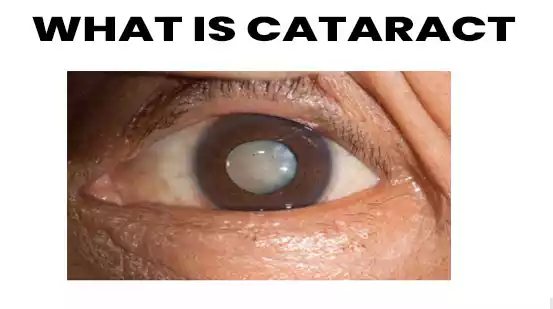
  • A cataract is a disorder in which opacity (cloudiness) in the lens of the eye and degeneration of lens fibers, lead to blurred vision.
  • A cataract occurs due to hydration, denaturation of lens protein, and sclerosis.
  • A cataract is the most common cause of blindness.

Cataract classification

  1. According to etiology  

  1. Acquired cataract

  • Acquired cataracts commonly occur.
  •  Acquired cataract are
    • Senile cataract
    • Metabolic cataract
    • Complicated cataract
    • Traumatic cataract
    • Cataracts

      associated with skin disease

    • Drug Induced cataract
    • Cataract with miscellaneous syndrome
    • Electric cataract.
  1. Developmental cataract  

  • Also known as the congenital cataract occurs due to disturbance in normal development of the lens.
  • Generally development cataracts occur in the infancy to adolescence, due to genetic disorders.

     2.   According to morphology

  1. Subcapsular cataract – anterior subcapsular cataract.
  • Posterior subcapsular cataract.
  1. Cortical cataract –

a cataract occurs due to wedge shape or radial spoke like opacities of lens.

  • Occur outer edge of the lenses.
  1. Nuclear cataract –

a cataract occurs in the center of the lens.

  • Yellow to Brown coloration.

Causes of Cataract

Cataract
Cataract
  • Hereditary
  • Family history
  • Age factors
  • Malnutrition during pregnancy
  • Radiation exposure
  • Excessive use of corticosteroids
  • Down syndrome
  • Skeletal syndrome
  • Chromosome abnormality
  • Birth trauma
  • Infection
  • Diabetes mellitus
  • Trauma
  • Marfan syndrome
  • Previous ocular surgery
  • Wilson disease.

Pathophysiology of Cataract

Cause / Etiology

Traumatic damage the lens fibres

Rupture lens capsule

Hydration of lens fibers

Opacity of lens.


Signs/Symptoms of Cataract

Clinical manifestation of

Cataract Clinical manifestation

  • Cloudy vision
  • Blurred vision
  • Photophobia ( sensitive to light )
  • Double vision
  • Monocular diplopia
  • Glare
  • Distortion of lines
  • Reduce visual acuity
  • Dim red reflex
  • Poor vision at night
  • Decrease colour perception
  • White pupil.

Diagnostic examination of Cataract

  • History collection and physical examination.
  • Direct ophthalmoscope examination.
  • Snailing visual acuity test.
  • Slit lamp examination.
  • Tonometry.
  • Retinal examination.

Medical management of Cataract

  • Use glasses
  • Optical aids
  • Pupillary dilation
  • Topical steroids
  • Antibiotics drops
  • Steroid drops.

Surgical management of Cataract

  1. Intracapsular extraction – remove the whole lens and surround it.
  2. Extracapsular extraction – only cataract removal.
  3. Cryosurgery
  4. Phacoemulsification – emulsifying of the lens by a hollow needle vibrating and ultrasonic speed.

Complication – Blindness.


Nursing management

  • Nurses monitor patients’ visual acuity and vital signs.
  • Examine the complete morphology of lens opacity under slit lamp examination.
  • Examine the cornea to find out any opacity of the lens.
  • Monitor intraocular pressure (IOP).
  • Nurses also assess pupillary response.
  • The nurse performed the cover test.
  • Use a nursing barrier to prevent infection.
  • Nurses assist the client during any activity.
  • Provide instruction about cataract patient care and Management.
  • Nurses help to conduct diagnostic examinations.
  • Provide adequate medications and other required treatment.
  • Provide emotional and physiological support and reduce anxiety.
  • Prepare the client for surgical intervention.
  • Administer local anesthesia with sedation before surgery.
  • Nurse counseling to relieve patient anxiety.


What is the main cause of cataracts?

Hereditary
Family history
Age factors
Malnutrition during pregnancy
Radiation exposure
Excessive use of corticosteroids
Down syndrome
Skeletal syndrome
Chromosome abnormality
Birth trauma
Infection
Diabetes mellitus
Trauma

  • a16z generative ai
    Hippocratic AI raises $141M to staff hospitals with clinical AI agents Story Partners with Stability AI to Empower Open-Source Innovation for Creators and Developers Meanwhile, Kristina Dulaney, RN, PMH-C, the founder of Cherished Mom, an organization dedicated to solving maternal mental health challenges, helped to create an AI agent that’s focused on helping new mothers … Read more
  • a16z generative ai
    Hippocratic AI raises $141M to staff hospitals with clinical AI agents Story Partners with Stability AI to Empower Open-Source Innovation for Creators and Developers Meanwhile, Kristina Dulaney, RN, PMH-C, the founder of Cherished Mom, an organization dedicated to solving maternal mental health challenges, helped to create an AI agent that’s focused on helping new mothers … Read more
  • Test
    Test link
  • ai in finance examples 1
    Top AI Tools for a Finance Professional Top Artificial Intelligence Applications AI Applications 2025 Banks must also evaluate the extent to which they need to implement AI banking solutions within their current or modified operational processes. It’s crucial to conduct internal market research to find gaps among the people and processes that AI technology can … Read more
  • ai in finance examples 1
    Top AI Tools for a Finance Professional Top Artificial Intelligence Applications AI Applications 2025 Banks must also evaluate the extent to which they need to implement AI banking solutions within their current or modified operational processes. It’s crucial to conduct internal market research to find gaps among the people and processes that AI technology can … Read more
  • ai in finance examples 1
    Top AI Tools for a Finance Professional Top Artificial Intelligence Applications AI Applications 2025 Banks must also evaluate the extent to which they need to implement AI banking solutions within their current or modified operational processes. It’s crucial to conduct internal market research to find gaps among the people and processes that AI technology can … Read more
  • best name for dog 74
    The Best Unique Boy Dog Names Perfect For Your New Pup 100 Most Popular Dog Names in 2024 2025: By Breed, State, and More P You’ve stocked up on dog food, picked the perfect leash and collar, and dog-proofed your home. About My Dog’s NameFounded in October 2013, My Dog’s Name provides a fun, interactive … Read more
  • Test Post for WordPress

    This is a sample post created to test the basic formatting features of the WordPress CMS. Subheading Level 2 You can use bold text, italic text, and combine both styles. Bullet list item #1 Item with bold emphasis And a link: official WordPress site Step one Step two Step three This content is only for … Read more
  • Test Post for WordPress

    This is a sample post created to test the basic formatting features of the WordPress CMS. Subheading Level 2 You can use bold text, italic text, and combine both styles. Bullet list item #1 Item with bold emphasis And a link: official WordPress site Step one Step two Step three This content is only for … Read more
  • Test Post for WordPress

    This is a sample post created to test the basic formatting features of the WordPress CMS. Subheading Level 2 You can use bold text, italic text, and combine both styles. Bullet list item #1 Item with bold emphasis And a link: official WordPress site Step one Step two Step three This content is only for … Read more
  • Test Post for WordPress

    This is a sample post created to test the basic formatting features of the WordPress CMS. Subheading Level 2 You can use bold text, italic text, and combine both styles. Bullet list item #1 Item with bold emphasis And a link: official WordPress site Step one Step two Step three This content is only for … Read more
  • Test Post for WordPress

    This is a sample post created to test the basic formatting features of the WordPress CMS. Subheading Level 2 You can use bold text, italic text, and combine both styles. Bullet list item #1 Item with bold emphasis And a link: official WordPress site Step one Step two Step three This content is only for … Read more
  • Test Post for WordPress

    This is a sample post created to test the basic formatting features of the WordPress CMS. Subheading Level 2 You can use bold text, italic text, and combine both styles. Bullet list item #1 Item with bold emphasis And a link: official WordPress site Step one Step two Step three This content is only for … Read more
  • Importance of Communication in Nursing
    What is Communication Communication is derived from the Latin word “Communicare” or “communico” both. Communication is a simple form that transfers ideas, thoughts, and information from one person to another person. Communication is a process in which a message is transmitted from the sender to the receiver. Communication helps in the mutual interchange of ideas, … Read more
  • 5000+ RRB Staff Nurse Previous Year Question Paper pdf download
    The Railway Recruitment Board (RRB) 5000+ RRB Staff Nurse Previous Year Question Paper pdf download. The Railway Recruitment Board (RRB) is expected to release recruitment notifications for the Staff Nurse position soon. Candidates interested in applying for the RRB Staff Nurse Recruitment can do so on the official RRB website. Additionally, candidates are advised to … Read more

Burn: Types, Treatment, and Nursing Management

Burn: Types, Treatment, and Nursing Management

What is Burn  

  • A burn is an emergency and life-threatening condition that causes the destruction of the surface. A layer of the body due to exposure to thermal, chemical, electrical and radiation sources.
  • Burn affects the major system of the body and causes systemic body function loss.

Cause of burn

Thermal burn –

  •  A thermal burn is the most common cause of burn.
  • Thermal burns occur due to exposure or contact with Fire, hot liquids, flame, hot metal, flash, and stem.

Chemical burn –

  • occurs due to organic and inorganic substances.
  • Acidic products cause coagulative necrosis and alkaline chemicals cause colliquative necrosis.

Electrical burn –

  • Electrical burn occurs due to exposure to electric current, or short circuits.
  • The intensity of electrical burn depends on – the voltage mode of current and time of touch to electricity.

Other Burn –

  • Inhalation burns occur due to hot smoke.
  • Radiation burn occurs due to sunlight, X-Ray.

Risk factors of burne

  • Fire
  • Hot summer
  • During cooking
  • Occupational hazards
  • Electricity repairing.
Burn classification / Types of Burn

A/C to body surface area – 

Estimation of burn, on basis of body surface area. Total body surface area – 100%.

“Rule of nine ” is used to measure burn body surface area.

Rule of nine –

Rule of Nine

Head and neck 9%
Upper extremities 18% (9*2)
Lower extremities 36% (18*2)
Back and chest 36% (18*2)
Genital 1%
Total Burn 100%

According to the “Rule of nine,” an estimated burn surface area is less than 25% is indicated → mild to moderate burn.

If more than 25% burn indicates → severe burn.

Mild to Moderate Burn = 25% of body area is burned

Severe burn = more than 25% burn

Based on depth  

First-degree burn

  • Superficial thickness burn
  • Superficial partial thickness burn

Second-degree burn

  1. Deep partial thickness burn
  2. Full thickness burn

third degree burn

  1. Deep full thickness burn.

Superficial thickness burn

  • Burns involve the epidermis.
  • Cause – sunburn, flash, hot liquid
  • Symptoms – pain, redness, tingling sensation, erythema, and swelling.
  • Symptoms subside after 48 hours.
  • Recovery within 3 – 7 days.

Superficial partial thickness burn

  • Burns involve the epidermis and superficial areas of the dermis.
  • Cause – hot liquid, cooking, steam, chemicals.
  • Symptoms – blister formation, pain, redness, tenderness, pink and moist wound.
  • Mild pigmentation formation and no scar formation.
  • Edema present.
  • Burn is sensitive to cool air.
  • Burn recovery within 10 – 21 days.

Deep partial thickness burn

  • Burns involve the complete epidermis and incomplete dermis skin layer.
  • Cause – scalds, flash, flame
  • Symptoms – No blister formation, alternative pain
  • Red wound
  • Dry wound with a deep white area
  • Moderate edema
  • Tissue necrosis
  • Hypoxia and ischemia
  • Scar formation.
  • The recovery period is 3 – 6 weeks.
  • Deep partial thickness burn requires skin grafting.

Full thickness burn

  • Burn involved the complete epidermis and complete dermis layer.
  • Cause – electrical current, chemical, long time exposure with hot liquid and heat, flame etc.
  • Symptoms – deep red, white, yellow, Brown or black wounds.
  • Dry hard eschar formation in the full-thickness burn.
  • Edema will be present in full-thickness burns.
  • No pain was present in the full-thickness burn.
  • Loss of sensation due to nerve-ending destruction.
  • Some disabilities and deformities.
  • Recovery is possible by skin grafting and is dependent on months.
  • An escharotomy procedure is done.

Deep full thickness burn

  • Burn involves the epidermis, dermis, subcutaneous fat, muscles, organs etc.
  • These types burn the bones.
  • Symptoms – black open wound.
  • Sensation completely absent
  • Scar formation
  • No pain
  • Visible bone, organ, mass and vessels
  • Blood leakage.
  • Skin grafting (autograft) is required.
  • Recovery depends months to years.

Pathophysiology of Burn

Burn

Increase capillary permeability

Excessive loss of body fluid

Hypovolemia

Decreased cardiac output

↓                                  ↓                                      ↓

Loss of myocardial loss of kidney  accumulation
Function function  of fluid into


Lungs

↓                                   ↓                                       ↓

Heart failure               kidney failure             edema and

Infection


Multi-organ dysfunction.

Sign and Symptom of Burn

Burn effect on Respiratory System –

  • acute respiratory distress syndrome (ARDS)
  • Respiratory failure
  • Pulmonary edema
  • Hypoxia.

Burn effect on Cardiac System –

  • cardiac failure
  • Hypertension and shock
  • Tachycardia.

Burn effect on Renal System –

  • oliguria and anuria
  • Loss of kidney function
  • Decrease GFR
  • Acute kidney failure.

Burn effect on GIT-

  • GI bleeding
  • Peptic ulcer
  • Decrease peristalsis movement
  • Decrease GI perfusion.
  •  

Burn effect on Integumentary System-

  • inflammation
  • Skin loss
  • Alopecia
  • Sensation loss.
  • Thermoregulatory
  • increase BMR
  • Heat loss.

Electrolytes Imbaance in burn –

  • hyperkalemia
  •  Hypovolemia.

Burn Medical management

  1. Emergency / Resuscitation phase
  2. Resuscitative phase
  3. Acute phase
  4. Rehabilitation phase.

Emergency / Resuscitation phase of Burn

  • Begins from burn to regain capillary permeability.
  • Emergency / resuscitative phase 48 – 72 hours period phase.
  • Include –

Burn Prehospital care

  • Prehospital care from burn to when emergency care is obtained.
  • Remove the source of the burn from the victim.
  • Monitor ABC ( Airway, breathing and circulation )
  • Physical examination and assess any trauma and injury.
  • Patient cover with sterile or clear clothes.
  • Remove any metal items, jewelry from the patient.
  • Transfer the patient to the emergency department

Burn Emergency department care

  • Monitor patient burn type, degree of burn, and site of the burn.
  • ABC analysis.
  • Airway clearance and administer 100% oxygen.
  • Administer IV line to maintain hydration status.
  • Monitor any respiratory distress and arrange intubation equipment.
  • ABG analysis (arterial blood gas).
  • Maintain NG tube and catheterization administration.
  • Provide all prescribed medication such as – antibiotics, analgesics, TT injection, etc.
  • Cover the patient with a bed cradle.

Burn Resuscitative phase

  • The resuscitative phase starts from 48 hours to 72 hours.
  • Start from fluid administered to capillary permeability regain.
  • Administration according to the Parkland formula.
Parkland formula –
  • 4ml RL * weight in kg * total burn surface area.
  • Calculated half fluid administers within 8 hours and remaining half fluid administer within next 16 hours.
  • The effectiveness of administration is assessed by urine output.
  • Mental patient NPO and provide total parenteral nutrition.
  •  Administer analgesics to relieve pain.
  • Escharotomy and fasciotomy procedure provide.
  •  

Acute phase of Burn

Acute phase starts after 48 – 72 hours.

Acute phase starts from a patient is hemodynamically stable to wound closure.

Acute phase includes –

  • Appropriate wound care and treatment
  • Wound closure and dressing
  • Surgically wound cleaning and debridement
  • Skin grafting ( autografting )
  • Nutritional support
  • Administration medication
  • Pain management
  • Infection control and prevention
  • Physical therapy
  • Health education.


Rehabilitative phase of Burn

Rehabilitative phase is a final phase of burn patient care.

Rehabilitative phase include –

  • Provide physiological and emotional support.
  • Promote wound healing.
  • Increase the strength of organ function.
  • Minimise the complication and deformities.

Complications of burn

  • Loss of body function
  • Deformity
  • Disturb body image
  • Renal failure
  • Disturb body image
  • Gastrointestinal haemorrhage
  • Local edema
  • Bone marrow suppression.

Nursing management of Burn

  • Nurse monitors patient ABC (Airway, breathing, circulation) and vital signs.
  • Maintain Airway clearance administer 100% oxygen therapy.
  • Avoid the exposure of burn from the victim.
  • Nurse Identify the type of burn, site, severity and pain intensity.
  • Nurse monitored the burned body surface area according to the rule of nine.
  • Nurse help in pre hospital care and emergency department care.
  • Cover the patient with sterile cloth, by using a bed cradle.
  • Calculate the fluid according to parkland formula.
  • Nurses administer half fluid within 8 hours and remaining half fluid next 16 hours.
  • Administer TT injection and analgesic after burn as soon as.
  • Maintain patient NPO and administer NG tube.
  • Provide total parenteral nutrition.
  • Provide appropriate wound care and treatment.
  • Nurses help in providing skin autografting.
  • Provide appropriate care of graft and donor site.
  • Nurses isolate the patient and prevent infection.
  • Nurses use proper barrier nursing.
  • Monitor hourly urine output.
  • Provide physical therapy and health education.
  • Provide physiological support due to disturbing patient body image.


Reference – Nclex sounder 2nd edition Page no. 553 to 560.

Burn Question and Answer-

  1. What is the most common cause of burn?

    Thermal burn.

  2. Which type of burn causes cognitive necrosis?

    Acidic chemical burn.

  3. What Region of Inhalation burns?

    Hot smoke.

  4. What is the Most common source of radiation burn?

    U.V. rays.

  5. What is the Rule of nine?

    Rue of nine is the burn body surface area calculation formula

  6. How to Calculate Burn body surface of radiation burn?

    Rule of nine.

  7. According to rule of nine, severe burns indicate

    Burn body surface area more than 25%.

  8. Deep full thickness burn include which burn?

    Third-degree burn

  9. Which type of burn depth causes the blister formation?

    Superficial partial thickness burn

  10. Which type of burn causes no pain

    3rd degree burn

  11. Complete epidermis and dermis burn

    Full thickness burn.

  12. Most common grafting procedure in burn

    Autograft.

  13. A deep full thickness burn wound is

    Black open wound.

  14. What region of the Burn causes the sensation loss?

    Destruction of nerve endings.

  15. What indicates the Hydration status of a burn patient

    Hypovolemia.

  16. In burn patients, fluid is calculated by

    Parkland formula.

  17. What is the Parkland formula?

    4 mL RL * body weight * body surface area.

  18. First nursing action in burn patient

    Open airway.

  19. The acute phase of burn management starts after

    72 hours.

  20. What is the Final phase of burn management?

    Rehabilitative phase.

  21. What are Common nursing actions to control Burn infection?

    Use barrier nursing.

  22. Which type of bed is used for a burn patient?

    Bed cradle.

  23. What are the 5 types of burns?

    Thermal burn
    Chemical burn
    Electrical burn
    First-degree burn
    Second-degree burn
    Third-degree burn

  24. How do you classify burn?

    Burn classification A/C to body surface area –
    Thermal burn
    Chemical burn
    Electrical burn
    Depth of burn-
    First-degree burn
    Second-degree burn
    Third-degree burn

  25. Should I put ice on the burn?

    Yes or not maybe depends on which type of burn-on-burn type

  26. Should you cover a burn or let it breathe?

    yes

  27. What are the four phases of definitive burn care?

    Provide physiological and emotional support.
    Promote wound healing.
    Increase the strength of organ function.
    Minimize the complication and deformities.

Acne Vulgaris: Causes, Types, Treatment, and Nursing Management

Acne Vulgaris: Causes, Types, Treatment, and Nursing Management

What is Acne Vulgaris?

  • Acne vulgaris is the most common inflammatory disorder of the sebaceous gland.
  • Acne vulgaris begins during puberty and is commonly found in males.
  • Acne vulgaris occurs due to abnormality in sebum production.


Definition of Acne Vulgaris

  • Acne vulgaris is a chronic skin disorder that develops lesions on the face, neck, chest, shoulder, and back due to obstruction and inflammation of the sebaceous gland and follicles.
  • Acne vulgaris occurs in different forms such as – comedians, nodules, pustules, and papules.
  • Low self-esteem, depression, and anxiety are common features in patients with acne.


Cause of Acne vulgaris

  • Unknown
  • Increase androgen activity
  • Genetic disorder
  • Obesity
  • Infection of the sebaceous duct
  • Hormonal change
  • Abnormal follicle differentiation
  • Excessive sebum production
  • Obstruction in sebaceous duct
  • Family history of acne
  • The proliferation of Propionibacterium acnes
  • Smoking and stress
  • Environmental change
  • Salon facial massage
  • Dietary supplements (High-fat diet).


Pathophysiology of Acne Vulgaris

Cause / puberty

Increase androgen level

Excessive enlargement of the sebaceous gland

Increase production of sebum and oil

Sebum and oil accumulate below the epidermis

Acne.


Clinical features of Acne vulgaris

  • Closed comedones ( whiteheads )
  • Open comedones ( blackheads )
  • Small and whitish papules
  • Pimples and nodules
  • Oily skin
  • Localize pain and tenderness
  • Pus formation into pustules
  • Cysts formation
  • Deep scanning.


Diagnostic examination of Acne vulgaris

  • Family history collection.
  • Physical examination
  • Assess endocrine function
  • Biopsy of lesions.


Medical management of Acne vulgaris

  • Administer topical and oral antibiotics.
  • Systemic antibiotics – doxycycline, minocycline.
  • Retinoid therapy – reduces abnormal hyperproliferative keratinocytes sites and inhibits sebum production.
  • Topical antibacterial and comedolytics.
  • Benzoyl peroxide
  • Vitamin A acid
  • Hormone therapy
  • Laser and phototherapy treatment.


Dietary management of Acne vulgaris

  • Avoid – chocolate, milk product, tea, coffee, cola, fried foods, excessive oily foods, junk foods, and high spicy foods.


Nursing management of Acne vulgaris

  • Nurses conduct physical examinations and collect family history.
  • Assess patient endocrine function.
  • Monitor patient dietary patterns.
  • Nurse advise to patients to wash their face with oil free face wash and water.
  • Encourage the patient to avoid high spicy and oily foods.
  • Provide instruction about avoiding manipulation of pimple blackheads.
  • Nurse provides education about –
  • Do not squeeze and prick the acne.
  • Do not use oily cosmetics.
  • Do not hard scrubs during face wash.
  • To maintain a balanced diet.
  • Away from a dusty environment.
  • Maintain hygiene.

Also Read:-

  1. Ear Infection (Otitis Media): Symptoms, Causes
  2. Meniere’s Disease: Symptoms, Causes, Treatments
  3. Angina Pectoris: Symptoms, Causes & Treatment


Frequently ask Questions related to Acne 

What is Acne Vulgaris?

Acne Vulgaris is an Inflammation disorder of the sebaceous gland

Which gland affects acne vulgaris?

Endocrine Gland.

Which Common features are found with acne, in puberty?

Low Self-esteem and Depression.

What is the Common cause of acne?

Diet is the Most Common Cause of Acne

What is Moderate Acne?

Moderate Acne is Inflammatory lesions with few pustules

Blackheads also know

Another Name for Blackheads is Open comedies

Whiteheads are also known as

Closed Comedones.

What Causes acne Vulgaris?

Increase androgen activity
Genetic disorder
Obesity
Infection of the sebaceous duct
Hormonal change
Abnormal follicle differentiation
Excessive sebum production
Obstruction in sebaceous duct
Family history of acne
The proliferation of Propionibacterium acnes
Smoking and stress
Environmental change
Salon facial massage
Dietary supplements (High-fat diet).

What is the Difference between acne and acne vulgaris?

Acne Vulgaris:-
Acne vulgaris is the most common inflammatory disorder of the sebaceous gland.
Acne vulgaris begins during puberty and is commonly found in male.
Acne vulgaris occurs due to abnormality in sebum production.

Acne:-
Acne is a skin condition that occurs when your hair follicles become plugged with oil and dead skin cells.

What is treatment for acne vulgaris?

Administer topical and oral antibiotics.
Systemic antibiotics – doxycycline, minocycline.
Retinoid therapy – reduces abnormal hyperproliferative keratinocytes sites and inhibits sebum production.
Topical antibacterial and comedolytics.
Benzoyl peroxide
Vitamin A acid
Hormone therapy
Laser and phototherapy treatment.

Ear Infection (Otitis Media): Symptoms, Causes

Ear Infection (Otitis Media): Symptoms, Causes

Terminology

  • Otalgia – pain in the ear.
  • Otology – otology is a study of ear disease.
  • Otorrhea – otorrhea is a discharge from the ear.
  • Tinnitus – tinnitus is the sensation of ringing sound in the ear.
  • Deafness – loss of earing.
  • Vertigo – sudden internal or external spinning sensation.
  • Otorrhagia – otorrhagia is bleeding from the ear.
  • Audiometry – audiometry is an instrument used to measure hearing.
  • Otomycosis – otomycosis is a fungal inflammation in the ear that causes irritation.
  • Otoplasty – otoplasty is a surgical procedure of repair and reconstruction of the ear.
  • Tympanoplasty – it is a procedure of repairing tympanic membranes.
  • Otorhinolaryngology – is a study of ear, nose and throat ( ENT ) disease.
  • Myringotomy – Incision into tympanic membrane and fluid drainage from the middle ear cavity.
  • Mastoiditis – inflammation of the mastoid bone.
  • Earache – pain in inner and outer ear.


Definition of otitis media

  • Otitis media is a group of inflammatory disorders of the middle ear, which result in fluid accumulation within the middle ear.
  • Effusion in the middle ear causes hearing loss and Earache.
  • Otitis media most commonly occur in infants and young children.


Types of otitis media

  1. Acute otitis media – It is an acute inflammation of the middle ear ( less than 6 weeks).
  2. Chronic otitis media – chronic otitis media is a repeated episode of acute otitis media.
  • It also leads to mastoid bone infection.
  1. Serous otitis media – accumulation of the serous fluid in the middle ear cavity and lead to eustachian tube obstructions.


Acute otitis media

  • Acute otitis media is an acute inflammation of the middle ear.
  • Inflammation typically occurs less than 6 week.
  • Most common infection route is the eustachian tube.


Cause of acute otitis media

  • Bacterial infection – streptococcus pneumonia, H. Influenza.
  • Chronic rhinitis and sinusitis.
  • Recurrent attack of common cold.
  • Upper respiratory tract infection.
  • Nasal allergy
  • Cleft palate
  • Head injury
  • Tympanic membrane injury.


Clinical features of Otitis Media

  • Pain and discomfort
  • Hearing loss
  • High grade fever
  • Purulent drainage
  • Hearing impairment
  • Tinnitus ( running in the ear )
  • Mastoiditis
  • Nausea and vomiting
  • Headache
  • Nasal and vomiting
  • Headache
  • Nasal congestion
  • Restless and irritability
  • Loss of appetite
  • Perforation of eardrum
  • Otalgia or otorrhea.


Diagnostic examination of Otitis Media

  • History collection of physical examination.
  • Audiometry – assess hearing.
  • Tuning for test
  • Sensitivity test
  • Otoscopic examination
  • Tympanometry.


Medical management of Otitis Media

  • Antibiotics – to treat inflammation.
  • Analgesic drug – to treat ear pain.
  • Antipyretic drug – to treat fever.
  • Antibiotics drops.
  • Antiseptic ear wash.
  • Nasal decongestant – remove eustachian tube blockage.


Surgical management of otitis media

  • Myringotomy – Incision into tympanic membrane and fluid drain.


Otitis media Complications

  • Chronic otitis media.
  • Hearing loss
  • Perforation.


Chronic otitis media

  • Chronic otitis media is inflammation of the middle ear for more than 6 weeks.
  • Chronic otitis media is a repeated episode of acute otitis media.


Otitis media Etiology

Acute otitis media.

Eustachian tube deformity.

Cleft palate, sinusitis.

Allergic rhinitis.

Entrance of foreign body in ear.

Upper Airway sepsis.

Virulent infection – measles.


Pathophysiology of otitis media

Infection / etiology / cause

Inflammation of the middle ear

Serous fluid accumulation in the middle ear cavity

Tympanic membrane damage

Pus formation

Tissue necrosis

Conductive hearing loss.


Otitis media Clinical manifestation

  • Otalgia ( ear pain )
  • Restless and irritation
  • Obstruction in the eustachian tube
  • Ear swelling and redness area
  • Ringing sound ( tinnitus )
  • Conductive deafness
  • Perforation of tympanic membrane
  • Ear drainage.


Diagnostic examination of otitis media

  • History collection and physical examination.
  • Otoscopic examination.
  • Audiometry and tympanometry.
  • Serous drainage culture and sensitivity test.
  • CT scan and MRI.


Otitis media Medical management

  • Antibiotic drops installation.
  • Systemic antibiotics.
  • Aural toilet.
  • Topical steroids.


Otitis media Surgical management

  • Tympanostomy – To expose the middle ear and assess the ossicles.
  • Tympanoplasty – Surgical repair of tympanic membrane.
  • Myringotomy – Create an artificial opening and drain fluid.


Otitis media Nursing management 

  • Nurses monitor patient hearing status and vital signs.
  • Monitor intensity of ear pain.
  • Provide comfort position to the unaffected ear.
  • Maintain hygiene conditions to prevent infection.
  • Nurses monitor hearing ability frequently.
  • Nurses established trustable relationships with patients.
  • Provide prescribed medication and other treatments.
  • Help in conducting all diagnostic procedures.
  • Provide knowledge about disease conditions.
  • Provide health education and awareness.


QnA.

Otitis media is a group of inflammatory disorders in which body part

Middle ear

Otitis media most commonly affect the

Children

Acute inflammation of the middle ear

Acute otitis media

Most common bacteria cause otitis media

Streptococcus pneumonia

Common Risk factors for ear infection in infants?

Bottle feeding

What do you mean by Ringing sensation sound in the ear

Tinnitus

What are Repeated episodes of otitis media caused

Chronic otitis media

Audiometry is used to measure

Hearing

Bleeding from the ear is called

Otorrhagia

Serous fluid in middle ear space

Serous otitis media

Fracture: Types, Traction, treatment, and Nursing Management

Fractures: Types, Traction, treatment, and Nursing Management

Definition of Fracture

What is a fracture?

  • Fracture is defined as breaking the continuity of bones due to excessive pressure on bones.
  • Fracture is characterized by the separation of bone into two or more pieces resulting from direct or indirect force.


Causes of Fracture

  • Accident
  • Fall from a height
  • Direct and indirect blow
  • Domestic and occupational injury
  • Sports injury
  • Repetitive force
  • Pathology condition and malnutrition
  • Prolonged stress
  • Aging process.

Types of Fractures  

  1. Open fracture

  • Open fracture is also called compound and complex fracture.
  • Open fracture includes open skin bound.
  • In open fracture, the bone comes out of the skin.
  1. Close fracture  

  • Closed fracture also called simple fracture.
  • Closed fracture does not involve break skin.
  • In a closed fracture, bone breaks but does not come out of the skin.
  1. Complete Fracture –

  • Complete bone fracture includes the complete break of the bone into two divided parts.
  1. Incomplete Fracture

  • Incomplete bone fracture also called greenstick fracture.
  • In these fractures, bon breaks but incompletely.
  1. Impacted Fracture

  • In the impacted fracture, the bone breaks and penetrates into each other.
  1. Pathologic Fracture

  • Pathological fractures occur due to any bone disease and inflammation.

Eg. – Osteoporosis.

Pattern of Fracture 

  1. Transverse fracture – fracture straight across the bone.
  2. Oblique fracture – fracture at an angle across the bone.
  3. Greenstick fracture – The Bone breaks from one side and bent to the other side.
  4. Spiral fracture – Twists around the shaft of bone.

Clinical Manifestation 

  • Acute pain
  • Tenderness, swelling
  • Hematoma
  • Loss of function
  • Swelling and bruising
  • Short extremities
  • Bleeding from an open wound
  • Ecchymosis
  • Numbness
  • Crepitation ( abnormal mobility )
  • Injured blood vessels
  • Localized edema.

Diagnostic Examination of Fracture

  • History collection and physical examination.
  • Bone x-ray.
  • CT scan and MRI.

Medical Management of Fracture

  • Monitor patient ABC (Airway, Breathing and Circulation).
  • Administer analgesic and TT injection.
  • Assess fracture type and bleeding intensity.
  • Immobilize the patient.
  • Apply Ice to reduce pain and swelling.
  • Administer oxygen and IV line.
  • Pressure bandage applied to prevent bleeding.
  • Fracture Management procedure –
  1. Reduction
  2. Fixation
  3. Traction
  4. Cast application.
  5. Reduction

  • Reduction is done to make fracture bone in the appropriate alignment.
  • Reduction is the first stage of the healing process.
  • Reduction process helps to reduce the space between fracture bones.
  • Reduction helps to keep the bone straight.
  • Reduction divided into –
  1. Open reduction
  2. Closed reduction.
  • In open reduction, exposing the skin inside and break bone arrange in proper alignment.
  • In closed reduction, the bone is pulled and brought into the natural alignment.
  1. Fiction

  • Fixation helps to fix reduction and        fix in proper alignment.
  • Fixation divided into internal fixation and external fixation.
  • Internal fixation is performed by exposing the skin by – screw, plates, wires, pins and roads.
  • External fixation fixes the alignment from outside with the help of a frame.
  1. Traction

  • Traction applies the pulling force on the break bone so that the break bone returns into its normal alignment.
  • Traction –
  1. Skin traction ( pulling force on skin )
  2. Skeletal traction (pulling force on bone).
  • Indication of traction – maintain proper alignment
  • Reduce spasm
  • Reduce pain
  • Reduce neurological injury.

      4.  Cast application for fracture

  • Cast is a material that hardens by drying and provides support to fracture bones.
  • The most cast applied on the fracture part which becomes hard after drying and keeps the alignment for a long time.
  • Two type cast is –

  1. POP ( plaster of Paris )
  2. Synthetic fibre glass
  • POP takes 48 to 72 hours to dry and synthetic fibre glass takes 20 – 30 minute to dry.

Nursing Management of fracture 

  • Nurse monitors the patient’s Airway, breathing, circulation (ABC) and vital signs.
  • Monitor type of fracture, site and intensity of pain.
  • Assess bleeding and apply pressure bandages to prevent bleeding.
  • Assess level of consciousness by Glasgow Coma scale.
  • Administer oxygen therapy and IV therapy.
  • Nurses maintain patients in immobilization positions.
  • Provide all emergency treatment and prescribed medication.
  • Conduct radiological procedure to identify fracture.
  • Nurses conduct reduction procedures and maintain fracture bones into natural alignment.
  • Nurses apply traction, to prevent immobilization of the fracture part.
  • Nurse monitors the traction site and applies normal dressing.
  • In traction, required weight apply and traction must not touch the ground.
  • Nurses apply moist cast on fracture areas to maintain fix alignment.
  • Fracture part after cast application, elevated to reduce swelling.
  • Nurses use only a cool mode of air dryer to dry the cast.
  • Nurses observe any complication of fracture.
  • Provided psychological and emotional support.
  • Provide health education during discharge planning.
  • Provide rehabilitation programs.
  • Education about crutch walking.

Complication of Fracture

  1. Compartment syndrome
  2. Fat embolism
  3. Infection
  4. Osteomyelitis
  5. Pulmonary embolism
  6. Loss of muscle strength
  7. Muscles atrophy
  • Fat embolism is the most common complication of fracture.
  • In the condition of fat embolism, fat is released from the fractured part and goes into circulation.
  • Fat embolism converts into pulmonary embolism and causes life-threatening conditions.
  • Compartment syndrome is a painful and dangerous condition due to build-up pressure from internal bleeding and swelling.
  • Generally, compartment syndrome is associated with closed fractures.
  • Osteomyelitis is a disorder of bone and muscles characterized by an infection in the bone and muscles
  • Muscle atrophy is a muscle wasting disorder that causes loss of muscle tissue.

FAQ.

Break the continuity of bone

Fracture

What is the most common cause of fracture?

Motor Vehicle accidents.

What is Another name for a compound fracture?

Open Fracture.

Another name of close fracture

Simple Fracture.

Fracture divides the bone into two sections

Complete Fracture.

Which fracture includes, the bone that comes out of the skin

Open Fracture.

Common fracture found in the children?

Greenstick Fracture.
Incomplete Fracture.

Greenstick fracture is also known as

Incomplete Fracture.

A fracture occurs due to osteoporosis disease

Pathological Fracture

Menopause women cause fractures due to

Osteoporosis Disorder.

Which Fracture bone breaks from one side and is bent to another side?

Greenstick Fracture.

What is the most common complication of fracture?

Fat Embolism.

What is the life-threatening complication of a fracture

Pulmonary Embolism.

Which diagnostic procedure helps to identify close fractures?

x-ray.

How to Reduce Fracture site swelling?

Ice Application.

What is the first stage of the healing process in Fracture?

Reduction Procedure.

How to Apply pulling force to maintain normal bone alignment?

Traction.

Most Commonly usable cast at the fracture site in the hospital?

POP (Plaster of Paris)

What Normal duration, POP takes to dry?

48 – 72 hours.

Muscle wasting disorder is

Muscles atrophy.

Meniere’s Disease: Symptoms, Causes, Treatments,

Meniere's Disease Symptoms, Causes, Treatments,


Definition of Meniere’s Disease

  • Meniere Disease is an inner ear disorder that causes episodes of vertigo due to dilation of the endolymphatic system or increased volume of endolymph.
  • Meniere’s Disease includes the – vertigo
    • Deafness
    • Tinnitus.
  • Meniere’s Disease usually occurs in adulthood.


Causes of Meniere’s Disease

  • Unknown cause
  • Allergic reaction
  • Autoimmune response
  • Hemorrhage
  • Viral infection
  • Metabolic disorder
  • Emotional factor
  • Anatomical abnormalities
  • Circulatory disorder
  • Genetic predisposition.


Clinical manifestation of Meniere’s Disease

  • Vertigo
  • Sensorial hearing loss
  • Tinnitus ( ringing sensation )
  • Dizziness
  • Irritability
  • Anxiety
  • Loss of balance
  • Disorientation
  • Sweating
  • Nausea and vomiting
  • Rapid pulse rate.


Diagnostic examination of Meniere’s Disease

  • History collection and physical examination.
  • Audiometry – to determine hearing disorder.
  • Electronystagmogram ( ENG ) – evaluate the balance.
  • Electrocochleography – measure fluid pressure in the inner ear.
  • CT scan and MRI.


Medical management of Meniere’s Disease

  • Diuretics drug – to decrease fluid volume.
  • Steroids drug – to treat inflammation and edema.
  • Mild analgesic – to treat pain.
  • Antihistamine – cetirizine
  • Antiemetics – to treat vomiting.
  • Provide hearing aids.
  • Mild sedative drugs – alprazolam.


Surgical management of Meniere’s Disease

  • Endolymphatic sac shunt surgery – Reduce the pressure of endolymphatic space.
  • Vestibular nerve section – the surgical procedure of removing the vestibular nerve of the intracranial.
  • Labyrinthectomy – a surgery procedure that destroys the part of the ear that controls balance.
  • Cochleo Sacculotomy – used to drain fluid.


Nursing management of Meniere’s Disease

  • Nurses monitor patient hearing balance and other physical findings.
  • Assess the severity and frequency of attack any associated ear symptoms.
  • Conduct vital sign assessment.
  • Provide instruction to restrict the sudden movement of the head.
  • Provide all general care to patients and maintain patient hygiene status.
  • Nurses follow universal precautions to control infection.
  • The Administrator prescribed treatment and IV fluids.
  • Provide a low sodium diet to patients.
  • Instruct about avoiding intake of alcohol and smoking.
  • Provide awareness about disease and procedure.
  • The nurse maintains documents and finds them.
  • Provide physiological support.
  • Nurses educate about the benefits of follow-up care.


Key Points of Meniere’s Disease

  1. Meniere Disease is a disorder of – Inner ear
  2. Meniere Disease tried symptoms – VertigoDeafness, and Tinnitus
  3. Which body part plays a key role in balance – Labyrinth
  4. Meniere Disease is a – Fluid balance disorder of the inner ear
  5. What is vertigo – A kind of dizziness

Meniere Disease is a disorder of – Inner ear

VertigoDeafness, and Tinnitus

Labyrinth

Fluid balance disorder of the inner ear

A kind of dizziness

Angina Pectoris: Symptoms, Causes & Treatment

Angina Pectoris: Symptoms, Causes & Treatment

Definition of Angina Pectoris

  • Angina pectoris is a clinical syndrome of ischemic heart disease characterized by ischemic chest pain due to myocardial ischemia.
  • Angina pectoris is a severe chest pain caused by an imbalance between the supply and demand of oxygen in myocardial tissue.


Cause of Angina Pectoris

  • Coronary artery atherosclerosis.
  • Coronary artery spasm.
  • Obstruction in coronary artery blood flow.
  • Thrombosis and embolism in the coronary artery.
  • Coronary artery disease.


Etiology of Angina pectoris

  • Obesity
  • Age, sex
  • Smoking
  • Hypertension
  • Use of cocaine
  • Diabetes
  • Sedentary lifestyle
  • Diet
  • Renal dysfunction
  • Mental stress
  • Physical exertion.


Types of Angina Pectoris

  1. Stable angina pectoris.
  2. Unstable angina pectoris.
  3. Variant angina pectoris.


Stable angina pectoris  

Also known as – exertional angina

  • Classic angina
  • Effort angina.
  • Stable angina is the most common angina.
  • Stable angina occurs due to emotional stress, heavy exercise, and increased cardiac workload.
  • Stable angina is resolved by rest and nitro-glycerine.


Unstable Angina pectoris  

  • Also known as preinfarction angina.
  • Unstable angina is more severe than stable angina.
  • Unstable angina occurs due to plaque formation in the coronary artery.
  • Unstable angina is more dangerous and requires emergency treatment and is not resolved by nitro-glycerine.


Variant Angina pectoris  

  • Also known as prinzmetal angina, vasospastic angina.
  • Variant angina rarely occurs due to spasms in the coronary artery.
  • The most common cause is vasospasm.
  • Variant angina occurs during rest.


 Pathophysiology of Angina pectoris

            Causes / etiology / risk factor

Myocardial tissue damage

Increase oxygen demand and less supply

Myocardial ischemia and necrosis

Ischemic chest pain

Angina pectoris.

Clinical manifestation of Angina pectoris

  • Mild to moderate crushing, squeezing chest pain.
  • Pain may radiate to the shoulder, arm, jaw, neck, or back.
  • Pain duration less than 5 minutes.
  • Pain intensity develops slowly.
  • Pain relief by adequate rest and nitro-glycerine.
  • Tachycardia and palpitation
  • Dyspnoea
  • Hypertension
  • Sweating
  • Chest discomfort
  • Fatigue
  • Anxiety
  • Dizziness
  • Pallor.


Diagnostic examination of Angina pectoris

  • History collection and physical examination.
  • ECG – ST-segment depression
  • T – Wave inversion.
  • Exercise ECG.
  • Chest X-ray.
  • Angiography of the coronary artery.
  • ECHO – determine anatomy.
  • CBC, urine test, LFT, RFT.
  • Lipid profile test.
  • Ultrafast computed tomography.


Medical management of Angina pectoris 

  • The drug of choice for angina – is nitrate.
  • Nitrate is administered through a sublingual route.
  • Other drugs are –
  • B – Blocker
  • Calcium channel blockers.
  • Antiplatelet medication.
  • Anticoagulants agents.
  • Proton pump inhibitors.
  • Antiemetic.
  • Vasodilators.
  • Administer oxygen.
  • Provide adequate rest to prevent cardiac workload.


Surgical management of Angina pectoris 

  • Median Sternotomy (open heart surgery).
  • Percutaneous Transluminal coronary artery angioplasty (PTCA).
  • Coronary artery bypass grafting (CABG).


Complication of angina  

  • Heart failure.
  • Myocardial infarction.
  • Acute renal failure.
  • Heart block.
  • Death.


Nursing management of Angina pectoris

  • Monitor patient vital signs and general appearance.
  • Evaluate the intensity of chest pain and duration.
  • Provide a semi-Fowler position and adequate bed rest to relieve the cardiac workload.
  • Administer nitrate drug in severe angina pectoris.
  • Administer oxygen according to the demand or supply.
  • The nurse administered the prescribed medication.
  • Provide physiological and emotional support to relieve anxiety.
  • Encourage patients to improve their lifestyles.
  • Educate the patient about the cessation of smoking and avoiding alcohol.
  • A reminder of patient vital signs.
  • Suggest modifiable risk factors.

Key Points

  1. The most common cause of angina pectoris – Coronary atherosclerosis.
  2. Ischemic chest pain less than 5 minutes – Angina.
  3. Drug of choice for angina pectoris – Nitrate.
  4. Most common angina pectoris – Stable angina.
  5. Which angina pectoris occurs during rest – Variant Angina.
  6. Classical angina pectoris also known – Stable Angina Pectoris.
  7. ECG finding in angina pectoris – ST-segment depression.
  8. A common route of nitrate administration – Sublingually.
  9. Angina occurs due to coronary artery spasm – variant angina.
  10. More dangerous angina pectoris – Unstable angina.

What is Parkinson’s Disease: Causes, Symptoms & Treatment

What is Parkinson's Disease Causes, Symptoms & Treatment

Introduction Parkinson’s disease

What is Parkinson's Disease Causes, Symptoms & Treatment
What is Parkinson’s Disease Causes, Symptoms & Treatment
  • Parkinson’s disease is a neurodegenerative disorder.
  • Parkinson’s disease was first described by James Parkinson in 1817 as “shaking palsy“.
  • Parkinson’s diseases mainly affect the central nervous system (CNS).

Definition of Parkinson’s disease

Parkinson’s disease is a chronic, progressive neurodegenerative disorder that affects the basal ganglia of the brain and leads to a deficiency of dopamine neurotransmitters. Decrease dopamine neurotransmitter level in the body cause the tried symptoms –

  • Tremor
  • Bradykinesia
  • Rigidity.

Causes of Parkinson’s disease

  • Idiopathic
  • Genetic disorder
  • Age factors
  • Exposure to toxin
  • Sex (men more exposure)
  • Deficiency of dopamine
  • Arterial hypertension
  • Affect substantia nigra
  • Carbon monoxide
  • Head injury
  • Exposure to Toxins
  • Encephalitis
  • Atherosclerosis
  • Environmental triggers.
  • What is Parkinson's Disease Causes, Symptoms & Treatment
    What is Parkinson’s Disease Causes, Symptoms & Treatment

Pathophysiology (Process of Parkinson’s disease)


Cause

Affect the substantia nigra of basal ganglia

Decrease dopamine production

Degeneration of neurons in basal ganglia

Affect daily routine activity and cause the tremor, rigidity or bradykinesia

Parkinson disease.

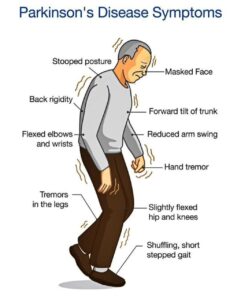
Symptoms/Signs of Parkinson’s Disease

  • Classical symptoms of Parkinson – tremor
    Symptoms/Signs of Parkinson's Disease
    Symptoms/Signs of Parkinson’s Disease
  • Rigidity
  • Bradykinesia.
  • Masks like facial expressions.
  • Immobile daily activity
  • Wrist sluggish moment
  • Shuffling gait
  • Speech difficulty
  • Dysphagia
  • Balance problem
  • Propulsive gait
  • Impaired gross motor coordination
  • Loss of sense of smell
  • Swallowing and chewing difficulty
  • Frothy saliva from the mouth
  • Stop automatic swinging of hand during the walk
  • Stooped posture
  • Dystonia
  • Sexual dysfunction
  • Micrographic
    What is Parkinson's Disease Causes, Symptoms & Treatment
    What is Parkinson’s Disease Causes, Symptoms & Treatment
  • Constipation.

Diagnosis of Parkinson’s Disease

  • History collection and physical examination.
  • CT scan and MRI
  • Imaging test
  • PET scan
  • Mental status examination.

Treatment of Parkinson’s disease

  • Levodopa and carbidopa
  • Dopamine agonist – bromocriptine
  • Anticholinergics – benztropine.
  • Monoamine oxidase type – B (MAO – B)
  • Antihistamine
  • Tricyclic medication
  • COMT inhibitor (catechol – o – methyltransferase inhibitors)
  • Antiviral substance.

Complications in Parkinson’s disease

  • Disability
  • Aspiration
  • Sexual dysfunction
  • Dementia
  • Injury from fall
  • Cognitive problem.

Who to Manage Parkinson’s disease Patients

  • Nurses monitor patients’ daily activity and vital signs.
  • Assess physical examination and mental ability.
  • Assess patient chewing and swallowing ability.
  • Provide soft and fibre diet for easily eating.
  • Nursing encourages patients for daily active and passive movement.
  • Provide physical and occupational therapy.
  • Provide a medical alert bracelet.
  • Provide all prescribed medication and maintain IV therapy.
  • The nurse monitors the respiration pattern.
  • Nurses educate to avoid – high heel shoes
  • Hard mattress use
  • Vitamin B6.
  • The nurse will encourage the patient to do minor tasks.
  • The nurse will assist the patient while descending the stairs.
  • The nurse will explain to all family members about Parkinson’s.

Important Points about Parkinson’s disease

  1. What was the first name of Parkinson’s disease – Shaking palsy?
  2. Parkinson’s disease is a – Neurodegenerative disorder.
  3. Tried symptoms of Parkinson’s disease – Tremors, rigidity, and bradykinesia.
  4. The most common cause of Parkinson’s disease – Dopamine deficiency.
  5. Which neurotransmitter affects Parkinson’s disease – Dopamine
  6. Parkinson’s disease was discovered by – James Parkinson.
  7. Parkinson’s disease is a – Progressive brain disorder.
  8. The average age of onset of Parkinson’s disease is about – 60.
  9. How many stages of Parkinson’s disease – 4.
  10. Parkinson’s disease is most commonly found in – Males.

Parkinson’s disease Slideshare

FAQ About Parkinson’s Disease:

What was the first name of Parkinson’s disease?

Shaking palsy

What is Parkinson’s disease?

Neurodegenerative disorder.

What have Tried symptoms of Parkinson’s disease?

These 3 are the main signs of Parkinson’s disease> tremors, rigidity, and bradykinesia.

Which neurotransmitter affects Parkinson’s disease

Dopamine

Parkinson’s disease was discovered by

James Parkinson.

Parkinson’s disease is most commonly found in

Males then Females


  • Aiims previous year question papers with solutions pdf

    All India Institute of Medical Sciences, popularly known as AIIMS, is the most prestigious medical institute in India country. AIIMS offers various degrees in medicine dentistry and many other subjects. All India Institute of Medical Sciences (AIIMS) offers many courses like MBBS, DM/M.Ch, Fellowship Programme, MD, B.Sc Nursing, M.Sc Nursing, and others. Qualifying for the…

  • B.Sc Nursing Entrance Exam 2023-24

    B.Sc Nursing Admission 2023-24 To take admission in B.Sc Nursing the Bachelor of Science in Nursing course. Those candidates must have completed 4 years bachelor’s degree from any subject university. Universities select candidates through entrance examinations. The Common Entrance Test starts from April to June. Application forms can be submitted online and offline at the…

  • What are P2P Communities? : A Path to Connection and Collaboration

    What are P2P Communities? In the digital age, where technology bridges distances and promotes connectivity across the globe, the concept of peer-to-peer (P2P) communities has emerged as a powerful force promoting collaboration, knowledge-sharing and collective empowerment. Is. P2P communities are reshaping the way we communicate, learn and work together, cutting across geographic boundaries and hierarchical…

Head Injury Pictures Explanation

head injury pictures

Head Injury Pictures

Head injury is also known as traumatic brain injury and craniocerebral trauma. Brain injury occurs due to outside force. A common incidence of head injury is a motor vehicle accident. Head injury is a special issue in developing countries and causes mortality and morbidity. In this artical fully explane with Head Injury Pictures and Head Injury Digrams.

head injury pictures

head injury pictures explication

Head injury is defined as the injuries to the head due to trauma to the scalp, skull and brain. Head injury caused acute, chronic, and life-threatening neurological issues. in this artical Head Injury Pictures are brodely explanne with Head Injury Pictures and every student easly lern about Head Injury Pictures Concussion this artical are nursing Students.

Types of head injury  

  1. Open head injury Pictures
  2. Closed head injury Pictures

head injury pictures

Open head injury

  • Open head injury breaks the scalp and skull and is observed by nude eyes.
  • Open head injuries are – scalp injury
  • Skull bone injury
  • Injury in meningitis as layers.

Closed head injury

  • Closed head injury does not break the skull and cannot be seen with the naked eyes.
  • Closed the head injury – concussion
  • Cerebral contusion
  • Epidural hematoma
  • Subdural hematoma
  • Intracerebral hamartoma.
  1. Concussion –

Head Injury Pictures Concussion

the vibration of brain and cranial cavity. Direct below to the head and violent shaking of the head. Transient interruption in brain activity and no structural injury.

  1. Cerebral contusion – Brushing and laceration of the brain tissue within cranial cavity associated with swelling.
  1. Epidural hematoma

a collection of blood between the dura mater and skull bone due to injury. Collection blood due to meningeal artery trauma. It is a most common type of intracranial hemorrhage. It is a surgical and neurological emergency.

  1. Subdural hematoma

a collection of blood between the dura mater and arachnoid space. Venous blood accumulated due to injury. Hematoma may be slower to develop. Subdural hematoma related to acceleration deceleration injury.

  1. Intracerebral hematoma – Bleeding into the brain tissue commonly associated with edema.
  1. Subarachnoid hemorrhage – Collection of blood between arachnoid space and pia mater due to injury.
  • Subarachnoid haemorrhage associated with CSF accumulation.

head injury pictures

Head Injury Causes

  • Accident (motor vehicle accidents)
  • Falls and assault
  • Domestic and industrial hazards
  • Sports accidents
  • Occupational accidents
  • Gunshot.

Clinical Manifestation  

  • Altered LOC (level of consciousness)
  • Dilated pupils
  • Loss of normal eye movement
  • Increased intracranial pressure (ICP)
  • Headache, vertigo
  • Nausea and vomiting
  • Airway affect
  • Dizziness, weakness and restlessness
  • Change in the body temperature
  • Cardiac arrhythmias
  • Comma and seizures
  • Trouble walking and speaking
  • Scalp injury and breathing
  • Sensory and motor function loss.
  • Ear, nose and mouth secretion
  • Swelling and bruising of the brain.

Diagnosis of Head Injury

  • History collection and physical examination.
  • CT scan and MRI.
  • X-ray ( radiography)
  • Glasgow Coma scale (GCS) – assess level of consciousness.
  • Neurological assessment.
  • EEG and brain scan.
  • Ultrasonography imaging.

Head Injury Treatment

  • Maintain patient ABC (Airway, breathing, circulation)
  • TT injection
  • Pharmacological management –
    • Osmotic diuretics – mannitol to reduce increased ICP.
    • Steroids – for inflammation and decrease edema.
    • Antihypertensive – for decrease BP.
    • Anti-seizure medication.
    • Mild analgesics
    • Antibiotic therapy for infection.
    • Antipyretics drugs.
    • Morphine sulphate.
  • Patient on NPO.
  • Administer IV line.
  • Nasogastric tube administer.
  • Catheterization method.

head injury pictures

Surgery of Head Injury

Craniotomy – removal of hematoma by incision into the cranium.

Complication Head Injury

  • Increased intracranial pressure (ICP)
  • Coma and Seizures
  • Hydrocephalus and brain herniation
  • Permanent neurological deficits
  • Paralysis and chronic headache
  • Altered neurological behavior
  • Death.

Nursing Management Head Injury

  • Nurses monitor patient head injury type and control haemorrhage by cover and applied pressure dressing.
  • To clean wounds by an antiseptic solution.
  • Check the patient Airway, breathing, circulation (ABC) and vital signs.
  • Provide a comfortable position (head elevated 30° angle and maintain neutral neck).
  • Airway clearance by removing secretions.
  • Maintain patient NPO and provide fluid by IV line or food provided by NG tube.
  • Nurse monitor increased ICP and cerebral edema.
  • After head injury, the nurse will monitor glucose tests from body secretion to identify CSF leakage.
  • Nurses maintain the Seizures precautions.
  • The nurse will prepare the patient for surgery.
  • The nurse will check the level of consciousness of the patient with the help of Glasgow Coma scale.
  • Nurses monitor the neurological status of patients.
  • Provide health education.

head injury pictures

Key Points head injury pictures

  1. What is another name for head injury – Craniocerebral trauma?
  2. The most common reason for head injury – Motor vehicle accidents.
  3. What is the head injury that can be observed with naked eyes – Open head injury.
  4. A head injury consists of provision and laceration of the brain tissue – Cerebral contusion.
  5. Collection of blood between the skull bone and dura mater – Epidural hematoma.
  6. Collection of blood between dura mater and arachnoid space – Subdural hematoma.
  7. Collection of blood between space and pia mater – Subarachnoid hemorrhage.
  8. Common finding associated with head injury – Increased ICP.
  9. Common finding associated with increased ICP – Altered LOC.
  10. Level of consciousness assessed by – the Glasgow Coma scale.
  11. Most common surgery for head injury – Craniotomy.
  12. The common position provided when ICP is increased – Head and elevated 30° angle.
  13. If Glasgow Coma scale finding less than 7 – Severe head injury.
  14. Drug of choice for increased ICP – Mannitol.
  15. Epidural hematoma include the – Arterial blood.

head injury pictures

Peptic Ulcer disease icd 10 Types Tretment

Peptic Ulcer Introduction

  • Peptic refers to a pepsin.
  • Pepsin is a stomach enzyme that breaks down into protein.
  • Pepsinogen enzyme is released from the chief cell of the stomach.
  • Parietal cells of the stomach release HCL and intrinsic factors.

Peptic Ulcer Definition

  • A peptic ulcer is a gastrointestinal disorder in which a lesson in the lining oesophagus, stomach and duodenum. Peptic ulcer is an ulcer lesion of GI tract.

Types of ulcer

  1. Gastric ulcer
  2. Duodenal ulcer
  3. Oesophageal ulcer.
  1. Gastric ulcer

it is a lesion of mucous membrane of stomach due to ingestion of alcohol, caffeine, aspirin, NSAID drugs etc.

  • Pain occurs 1-2 hours after a meal.
  • Pain relief after vomiting.
  • Gastric ulcers usually occur on the lesser curvature of the stomach.
  • Epigastric abdominal pain.
  • Gastric ulcers commonly occur in older people.
  • Gastric ulcer commonly in females.
  1. Duodenal ulcer – 

It is lesion of mucous membrane of duodenum.

  •  Burning right epigastric pain occurs.
  • Pain occurs 2-4 hours after meals.
  • Pain relief after food consumption.
  • Duodenal ulcer most commonly occurs in young adults.
  • Duodenal ulcer causes a very low risk of malignancy.
  1. Oesophageal ulcer 

Ulcer lesion in mucosa of oesophagus.

  • Occur due to hydrochloric acid in oesophagus.
  • Mostly the lower part of the oesophagus is affected.

Cause of peptic ulcer

  • Infection by bacteria ( H. Pylori )
  • Use of NSAID.
  • Genetic disorder.
  • Prolonged excessive emotional and stress situation.
  • Excessive intake of alcohol and Caffeine.
  • Smoking, coffee, tea.
  • Gastritis.
  • Fasting.
  • Hypercalcemia.
  • Diet.

Pathophysiology of Peptic Ulcer

Cause/risk factor / H- pylori bacteria

Excessive secretion of HCL and decrease mucus secretion

Irritate mucous membrane of GI tract

The lesion in the GI tract

Peptic ulcer.

Signs and symptoms of Peptic Ulcer

  1. Gastric ulcer

  • Pain in the left epigastric region.
  • Weight loss
  • Burning sensation pain
  • Nausea vomiting
  • Haemoptysis ( blood in vomiting )
  • Anorexia
  • Heartburn
  • Malnourished
  • Projectile vomiting.
  1. Duodenal ulcer

  • Pain in right epigastric region
  • Abdominal discomfort
  • Malana
  • Weight gain
  • Well nourish
  • Dyspepsia ( indigestion )
  • Nausea and vomiting.

Peptic ulcer lab investigation

  • History collection and physical examination.
  • Stool examination.
  • Barium meal x-ray.
  • Endoscopic examination.
  • Gastric analysis.
  • CBC and haemoglobin test.
  • History and screening of gastric carcinoma.
  • Urea breathe test.

Treatment of Peptic Ulcer

  • Antacid
  • Antimicrobial drug
  • H2 blockers
  • Proton pump inhibitors
  • Mucosal protective agents
  • IV fluid
  • Nasogastric tube administer
  • Antibiotics for H. Pylori
  • NPO
  • Hyper secretory drug therapy.

Peptic ulcer surgery  

  • Vagotomy – cut the vagus nerve.
  • Total gastrectomy – remove stomach.
  • Pyloroplasty – help to widen the pylorus.
  • Billroth 1 – partial gastrectomy with permanent gastroduodenostomy.
  • Billroth 2 – partial gastrectomy with permanent gastrojejunostomy.
  • Gastric reaction.

Peptic ulcer diet plan  

  • Encourage more fluid.
  • Avoid – spicy food
  • Alcohol, smoking, caffeine
  • Oily food
  • Tea, coffee
  • Provide small frequent food.
  • High vitamin B12 diets.

Complications of peptic ulcer  

  • Dumping syndrome.
  • Vitamin B12 deficiency.

Nursing management of Peptic Ulcer

  • Nurses determine the patient’s condition and assess vital signs.
  • Determine the severity and intensity of pain.
  • Assess risk factors about smoking, alcohol, NSAID, drugs.
  • Prepare antibiotics for treating H. Pylori infection.
  • Nurses avoid aspirin, NSAID, coffee, tea etc.
  • Nurses educate about refusing high spicy junk foods.
  • Monitor hematemesis and melena.
  • Examine the diagnostic procedure and identify which type of ulcer.
  • Provide stool softener medication.

Key Points

  1. An ulceration lesions in GI tract is called – Peptic ulcer.
  2. The most common cause of peptic ulcer – H. Pylori.
  3. A common peptic ulcer is – Duodenal ulcer.
  4. A common symptom of peptic ulcer – Projectile vomiting.
  5. Which type of peptic ulcer in older people – Gastric ulcer.
  6. Which type of ulcer in young people – Duodenal ulcer.
  7. Common diagnostic test of peptic ulcer – Endoscopic examination.
  8. The common complication of peptic ulcer – Dumping syndrome.
  9. Weight loss situation arises in which type of peptic ulcer – Gastric ulcer.
  10. H. Pylori bacteria detect by – Urea breathe test.

Most Common Pediatric Respiratory Diseases

Pediatric Respiratory Diseases

Cystic Fibrosis

  • Cystic fibrosis is a chronic multisystem Disorder in which is characterized the Dysfunction of exocrine gland.
  • Cystic fibrosis is an autosomal recessive Disorder
  • That affects epithelial cells of the respiratory, gastrointestinal, reproductive , integumentary system and leads to abnormal exocrine gland se oration.
  • Exocrine gland secretes the – mucus, sweat, juices.
  • Mucus produced by Exocrine gland is abnormally thick causing obstruction of small passage of any system.
  • Increase sodium and chloride in sweat and saliva is the best Diagnostic test of cystic fibrosis.


Etiology of Cystic fibrosis

  • Mutation in the cystic   fibrosis gene on 7th chromosome
  • Abnormal CFTR protein (Cystic fibrosis transmembrane regulator)
  • Defective chloride transportation
  • Excessive mucus production
  • Infection, Atelectasis, Bronchiectasis
  • Dilation of Distal airway
  • Chronic hypoxemia
  • An abnormal elevation of sodium and chloride

Most common features of cystic fibrosis

  • Pancreatic enzyme Deficiency caused by blockage of Duet
  • Chronic progressive lung Disease Due to repetitive inflection
  • Dysfunction of sweat gland, due to Increase Na+ and Cl– 

Clinical Manifestations of Cystic fibrosis

  1. effect of cystic fibrosis on the respiratory system

  • Productive cough and wheezing
  • Excessive thick mucus production
  • Obstruction of the respiratory tract due to thick mucus
  • Repetitive infection in respiratory tract
  • Coughing and shortness of breath
  • Chronic hypoxia and clubbing of fingers
  • Hypertrophy of the muscles of the pulmonary artery
  • Pneumothorax is a common problem with emphysema
  • Barrel chest shape
  • High resonance sound in lungs
  • Dyspnea and cyanosis
  • Chronic bronchitis
  1. effect of cystic fibrosis on GI system

  • The earliest manifestation is = meconium ileus in a neonate
  • Intestinal obstruction – due to thick intestinal secretion
  • Nausea , vomiting , abdominal pain and distension
  • Malnutrition
  • Diabetes mellitus due to fibrosis
  • Acute pancreatitis
  • Steatorrhea
  • Failure of thrive and rectal prolapsed
  • Stool are frothy and foul smelling
  • Hypoalbumia
  1. effect of cystic fibrosis on the Reproductive system

  • Delay puberty in girls
  • Reduce fertility chance in females
  • In male, High chance of infertility
  1. effect of cystic fibrosis on the Integumentary system

  • Salty test on kiss the child
  • High concentration of sodium and chloride in sweat
  • Dehydration due to excessive water loss by sweat
  • Electrolyte Imbalance

Diagnosis test for cystic fibrosis

  1. Sweat chloride test –

these tests require the sweat

  • Provide the pilocarpine drug for production the of sweat
  • Collect the sweat of more than 75mg
  • Normal sweat chloride concentration is less than 40meq/liter (40mmol/L)
  • If sweat chloride concentration is more than 60meq/L, indicates cystic fibrous is present
  • Child less than 6 months –  >60meq/L – Positive

– <30meq/L – Negative

  • Child more than 6month – >60meq/L  = Positive

– <40meq/L = Negative

  1. Chest X-ray – for emphysema and atelectasis
  2. Pulmonary function test
  3. Trypsin and chymotrypsin estimation test in stool
  4. Genetic test and sputum culture test

management of cystic fibrosis

  • Airway clearance is the 1st intervention
  • Provide chest physiotherapy to remove the Excessive mucus from the respiratory tract.
  • Chest physiotherapy produces the vibration on the lungs segment and drainage out of mucus.
  • Monitor the lung’s sound and respiratory status.
  • Chest physiotherapy avoids after the feeding because the chance of vomiting and aspiration.
  • Chest physiotherapy Done only morning and evening
  • In sever case, Bronchodilator & system inhalation improve the effects of chest physiotherapy
  • Flutter mucus clearance Devices also use for remove the thick mucus
  • Special vest Device use for produce high frequency chest wall for Excrete the mucus
  • Avoid cough suppressant
  • But Hemoptysis is present use cough suppressant
  • Last treatment of cystic fibrosis in respiratory tract is – lungs transplant
  • Provide the high calorie , high protein , and well balance diet
  • Monitor weight and for failure to thrive
  • Provide the pancreatic enzyme supplement to maintain the normal mechanism of digestion
  • Administer of pancreatic enzyme , with meal before 30mint of food
  • Provide supplement of vitamin  A,D,E,K
  • Avoid the pancreatic enzyme when patient on NPO.
  • Monitor the stool pattern and for sign of intestinal obstruction
  • Enteric coated pancreatic enzyme should not be crushed and chewed
  • Monitor for constipation , intestinal obstruction and rectal prolapse
  • Monitor sign of gastroesophageal reflux

Other management of cystic fibrosis

  • Monitor bone growth in child
  • Provide support to the child for improving growth
  • Psychological support provide to parents
  • Monitor blood glucose level to assess the Diabetes
  • Encourage to in depended in the child to self-care as age appropriate
  • Educate the parents about the home care
  • The information provided about signs/symptoms, complication,s and follow-up care
  • Annual influenza vaccine is recommended for children 6 months of age and older

complications of cystic fibrosis

  • Bronchiectasis (Damaged airway)
  • Chronic infection
  • Nasal polyps
  • Hemoptysis
  • Pneumothorax
  • Respiratory failure

KEY POINTS of cystic fibrosis

  • Which type of glands are affect in cystic fibrosis – Exocrine glands
  • Cystic fibrosis is a – Autosomal recessive Disorder
  • Most common test to assess the cystic fibrosis – Sweat chloride test
  • Earliest manifestation of cystic fibrosis in GI tract abnormality – Meconium ileus (Neonate does not pass the meconium)
  • Obstruction of respiratory tract with cystic fibrosis due to – Excessive secrete thick mucus
  • Early manifestation of cystic fibrosis is suggest the parents – Salty test on kiss the child
  • Normal sweat chloride concentration in the body is – Less then 40Meg/liter
  • In cystic fibrosis , sweat chloride concentration is – More than 60meq/liter
  • Which drugs provide , for production the sweat for the test – Pilocarpine
  • Which intervention is priority in cystic fibrosis – Airway Cclearance
  • Vitamins are recommended for cystic fibrosis child – Fat soluble vitamin
  • High concentration of sodium and chloride is suggestive – Cystic fibrosis


Bronchiolitis in Children

  • Bronchiolitis is an acute infectious inflammatory disease of the upper respiratory tract and lower respiratory tract that result in obstruction of the small airways.
  • Bronchiolitis is inflammation of the Bronchioles that causes the production of thick mucus that block the bronchioles and bronchi.
  • RSV (Respiratory syncytial virus) is a most common cause of Bronchiolitis.
  • RSV is not an airborne infection, it is highly communicate by contaminated hand.
  • Bronchiolitis Disease commonly occurs in winter and spring season.
  • Other causative agent are = Pare influenza virus, influenza virus, adenovirus, mycoplasma pneunmonie.

Risk factors of Bronchiolitis

  • Prematurity
  • Low birth weight
  • Age less than 6-12 weeks
  • Low socio-economic group
  • Parental smoking
  • Chronic lungs Disease
  • Airway Anomalies
  • Congenital and acquired immunodeficiency disease
  • CHD and pulmonary hypertensions
  • Neurological Disease
  • House holds crowding.

Clinical manifestation of Bronchiolitis

  • Initial manifestation – Rhinorrhea, Coughing, Sneezing, Wheezing, Eye or ear drainage, intermitted fever and pharyngitis.
  • Manifestation as Disease progress – Increase coughing and wheezing.
  • Sign of air hunger
  • Poor feeding
  • Tachypnea and irritability
  • Period of cyanosis.
  • Manifestation in severe illness       – Tachypnea more than 70 breath/mint
  • Decrease breath sound
  • Poor air exchange
  • Apnea episodes.

What is a respiratory syncytial virus (RSV)

  • If usually present age between 3 to 12 month
  • Maximum = 6month
  • Rare case = after 2 years.

Diagnosis of respiratory syncytial virus (RSV)

  • History collection and Physical Examination
  • Chest x-ray
  • Nasopharyngeal swab/nasal wash
  • ECG , ECHO
  • Blood gas analysis
  • Rapid antigen Detection for RSV
  • Culture test and PCR
  • Direct or Indirect Immunofluorescence.
  • Lungs function test and spirometry.

Management of respiratory syncytial virus (RSV)

  • Maintain the patient airway.
  • Humidified oDelivered via nasal cannula determined by pulse oximetry.
  • Slightly extended to maintain an open airway.
  • Assess the sign of Dehydration and provide adequate IV fluids.
  • Oral fluid is contraindicated in tachypnea.
  • Provide proper rest and clustering care for the RSV infection child.
  • Semi flower and neck slightly extended position provides.
  • Chest physiotherapy provides for postural drainage.
  • Remove the secretions and fluids in the pulmonary tract.
  • Medication:- Ribavirin
  • Ribavirin medication given in aerosol state throws hood and mask.
  • Ribavirin is a teratogen in pregnancy
  • Pregnant nurse and other female is away from RSV-infected child
  • Ribavirin drug dissolves the soft lenses
  • Contact lenses wearing person not involved in RSV client care.
  • Avoid the use of Broncho dilator
  • Aminophylline drug can be use
  • Avoid the sedative drugs
  • A pt. of RSV infection should be Isolated from the other infected child
  • The nurse care the RSV-infected child, should not be involved in the care of another patient
  • Maintain proper strict hand washing for minimizing the transmission of infection.

Key Points of Bronchiolitis

  • Inflammation of Bronchioles that cause obstruction in a small airway is known = Bronchiolitis.
  • Most common cause of Bronchiolitis = RSV
  • Which season develops the Bronchiolitis disease condition = Winter season
  • Bronchiolitis Disease occurs during age of = 3-12month
  • Priority Nursing management in Bronchiolitis patient = Clear the airway
  • Which Drugs are use the treat respiratory syncytial virus (RSV) = Ribavirin
  • Ribavirin Drug teratogen in the = Pregnancy
  • Which technique use in the hospital to prevent the transmission of RSV = Strict hand washing.


Foreign body Aspiration in children

  • Foreign body aspiration of a foreign body into the air passes.
  • Foreign body aspiration commonly occurs in the infant and toddler.
  • Most inhaled foreign body settle down in the main stem or lobar bronchus.
  • Large Foreign body aspiration is obstructed the upper airway and cause immediate features.
  • Small foreign body aspiration is obstructed the Respiratory tract for long time and cause the chronic effects.

Incidence of Foreign body aspiration

  • Commonly 1-3 years age group affected.
  • Sex – Male more prominent

Visual foreign bodies are

  1. Organic – Peanuts, Popcorn, Seeds, Hotdogs, Vegetable matter
  2. Inorganic -Toys part, pen tops, tracks, pins, nails, Screw, and bullet and casing

Composition of foreign body

  1. Large foreign body produce clinical feature immediately within 3-5 minutes.
  2. Small foreign body id deposit in secondary bronchus and produce aspiration pneumonia.
  3. Buttons, pins, small parts of toy can cause the irritation and edema in the Respiratory tract.

Anatomical location of Obstruction Foreign body aspiration

  1. Foreign body commonly obstruction the trachea and larynx.
  2. Bronchus is most common site of obstruction, mainly right bronchus have more chances because right bronchus is more horizontal and wide.

Degree of obstruction in Foreign body aspiration

  1. Foreign body aspiration creates the obstruction in inspiration and expiration.
  2. A large foreign body only obstructs the expiration.
  3. Small foreign body do not interfere in inspiration and expiration.

Clinical feature of Foreign body aspiration

The clinical feature of foreign body aspiration depends upon the anatomical location of the obstruction.

Foreign body Obstruction at Larynx

Wheezing sound during expiration

      • Harness of voice
      • Inability to speak
      • Coughing
      • Hemoptysis
      • Dyspnea
      • Cyanosis

Foreign body Obstruction at trachea

  • Cough,
  • Dyspnea
  • Hoarsness of voice and cyanosis
  • Audiable slap and palpable thud sound.

Foreign body Obstruction at Bronchus

  • Chocking
  • coughing
  • Dyspnea
  • Hemoptysis

Foreign body aspiration Late sign 

  • Wheezing
  • Emphysema
  • Atelactesis.

Diagnosis of Foreign body aspiration

  • History collection and physical examination.
  • X-ray (Anterior, posterior and lateral)
  • Bronchoscopy – To diagnose tracheal obstruction.
  • Laryngoscope use to find out the obstruction.
  • Laryngoscope also use in removal of obstruction.
  • Fluoroscopic Examination

Management of Foreign body aspiration

  • Early removal of foreign bodies reduces the chance of inflammation and edema.
  • Below 1-year child – 5 back slaps and 5 Chest thrusts apply
  • In children, fingers are never inserted to remove foreign bodies because of chance of deep aspiration.
  • In adults, foreign body remove by Meinlich Maneuver ( abdominal thrush maneuver)
  • The child does not produce P sound means obstruction is severe
  • Antibiotics and steroids provide for the treatment of inflammation
  • Humidified air should be inhaled after the removal of a foreign body.
  • Treat the foreign body aspiration complication.

Nursing management of foreign body aspiration

  • Nurse all the small objects should be away from the child
  • Any person and nurse not set a example by putting any object in the mouth in front of child.
  • After ingestion the object, Nurse allows a comfortable position.
  • Nurse never attempt to allowing figure to remove the object.
  • Nurse Dont need to play with small toys and vegetables, nuts, etc.
  • Nurse encourage to mother for avoiding the laugh the child during feeding.
  • Nurse educate the mother never feed child during he is play and running

KEY POINTS Foreign body aspiration

  • Foreign body aspiration occur which age group children – Infant and toddler.
  • Which type foreign body aspiration create the aspiratory pneumonia – Small foreign body.
  • Foreign body commonly obstructed into the –Trachea and Larynx.
  • Most common site of foreign body obstruction in the bronchus –Right bronchus.
  • Large foreign body obstruction is interferer in – Expiration.
  • Audiable slap and palpate thud sounds are occur in the – Tracheal Obstruction
  • Most common management of foreign body removal in 1 Year children – Give 5 back below between the shoulder.

Malnutrition in Children

Malnutrition in Children

what is malnutrition

  • Malnutrition is Defined as the cellular imbalance between the Body’s Demand and nutritional supply.
  • Severe malnutrition is one of the most common causes of child mortality and morbidity.
  • Nutrition is necessary for children’s growth and, to maintain specific functions.
  • Malnutrition Denote by “undernutrition” generally.
  • Malnutrition is a major health problem, especially in developing countries.
  • A common form of malnutrition is protein–energy malnutrition.

Malnutrition in Bihar India

Classification of Malnutrition

  1. Gomez classification

  • Gomez’s classification Depends upon weight for age.
  • Weight for age (WFA%) =
  • WFA%   = 90-100% = Normal

= 76-90% = 1 malnutrition

= 61-75% = 2 malnutrition

Below 60% = 3 Degree malnutrition

  1. Water low’s classification

  • It is Depend on height for age. (HFA%)
  • HFA%=Height of childHeigth of Nchild of same age×100(cm)
  • HFA% = >95%   = Normal

90-95% = Mild malnutrition

85-90% = Moderate malnutrition

<85%     = Sever malnutrition.

  1. Indian association of pediatric – (Weight for age)

WFA% =        >80% = Normal

71-80%= 1st Degree

61-70%= 2nd Degree

51-60%= 3rd Degree

<50% = 4th Degree

  1. Well come trust classification – (weight for age + edema).

Types of Malnutrition WFA% Edema
Kwashiorkor 60-80% Present
Undernutrition 60-80 Absent
Marasmus <60% Absent
Marasmic Kwashiorkor <60% Present
  1. WHO classification = only under 5 years child involve

  1. Stunting (Height for age)
  2. Underweight (Weight for age)
  3. Wasting (Weight for height)

Etiology of Malnutrition   

  • Poverty
  • Low intake of food
  • Social and mobility problems
  • Socio-cultural beliefs and Political consent
  • Digestive Disorder and chromic Eating Disorder
  • Social Isolated person. And Alcoholism
  • Poor care of mother and child.

Shakir tape

Shakir tape uses to measure the mid-arm circumference the identify malnutrition.

Red = <115mm = severe malnutrition

Orange = 115-124mm = Moderate malnutrition

Yellow = 125-134mm = Borderline malnutrition

Green = >135mm = Healthy.

Bangle test:-

The bangle test is also used the Determine malnutrition status.

  • 4cm in Diameter bangle moves above the elbow, its means the child as malnutrition.
  • If a 4cm Diameter bangle never cross the elbow, its means the child is healthy

Clinical Feature of malnutrition

The clinical feature of malnutrition is according to the types of malnutrition

  1. Clinical features of Mild Nutrition

  • Mild malnutrition occurs between a month to 2 years, due to a deficiency of Nutrition for a short time

Symptoms of Mild Nutrition

  • Growth failure
  • Infection
  • Anemia
  • Diminished activity
  1. Moderate to severe malnutrition
  1. Clinical features of Marasmus

  • Severe weight loss and wasting
  • Marasmus is compensating condition of malnutrition
  • Marasmus is a Nutritional emergency
  • In marasmus, Muscle and fat wasting occur both. Children and adults.

Symptoms of Marasmus

  • Severe wasting present in thigh, arm, and buttocks
  • Monkey face/ Old man face
  • Baggy pant appearance – due to loss of buttocks muscles
  • Loss of axillary fat
  • Child looks active
  • Edema absent
  • Veracious appetite
  • Abdominal Distension
  1. clinical feature of Kwashiorkor

  • Sickness of weaning
  • Kwashiorkor occurs between a 1-4-year child
  • Growth retardation and mental changes occur.
  • In kwashiorkor, inadequate protein intake, presence of edema, and loss of both proteins.
  • Kwashiorkor is a non-compensation condition of malnutrition.
  • Wasting of muscle

Symptoms of Kwashiorkor

  • Moon like face
  • Edema
  • Skin changes
  • Cheilosis
  • Forest sign of hair (Flag sign of hair)
  • Smooth tongue
  • No sign of Hunger
  • Less active child
  • Decrease GFR
  • Edema occurs in the lower extremities but wasting occurs in the upper extremities.

Difference between Marasmus and Kwashiorkor

Character Marasmus Kwashiorkor
Activity More Less
Infection Less More
Appetite More Less
Liver involve No Yes
Recovery Fast Slow
Edema Absent Present
Mortality rate Less More
Occurrence More Less

Difference between Marasmus and Kwashiorkor

Management of Malnutrition

ways to prevent malnutrition

Management is divided into 2 phases

a. Initial Phase

  1. Rehabilitative Phase
  2. Initial PhaseàTreat the malnutrition complication. The Malnutrition complication is

H- Hypothermia

S- Sugar Decrease (Hypoglycemia)

I – Infection

EL – Electrolyte imbalance

DE – Dehydration

D – Deficiency of elements.

Hypothermia – Treat by maintaining a warm chain.

Hypoglycemia – Treat by providing glucose.

  • If blood glucose level <20mg/dl à 2 ml/kg/day glucose
  • If the blood glucose level is 20-40 mg/dl à 5 gm sugar in 100ml milk
  • Check the blood sugar level every 30-45 min.

Infection – Ampicillin 50 mg/kg/6hour

  • Amoxicillin 15mg/kg/8 hours
  • Amikacin 15 mg/kg/day

Electrolyte Imbalance

  • A potassium supplement is necessary
  • Potassium = 3-4 meq/kg/day for 2 weeks
  • Magnesium = 0.8 – 1.2 meq/kg/day

Dehydration – Dehydration is treated by ORS and RL.

Deficiency elements – Deficiency of the elements are treated by the

  • Provide Vit. A and Folic acid, Zinc, Iron, etc.
  • Provide Nutritional support and a high-quality diet

Rehabilitation Phase (2-6 weeks)

  • Improve weight and build up the body.
  • Emotionally and physically prepare the child
  • Maintain the healthy and hygiene Diet
  • Educate the parents about Home Care
  • Prepare for Basic Health Care.

Key Points

  • Gomer’s classification of malnutrition is Depend upon the – Weight for age
  • Water-low classification of malnutrition Depends upon – Height for age.
  • 115-124 mm Diameter of mid-arm Circumference is Denote the – Moderate Malnutrition
  • Which Size bangle is used in the bangle test of malnutrition – 4 cm.
  • Severe weight loss and wasting is seen in – Marasmus Malnutrition
  • Nutritional Disease shows the flag sign of hair – Kwashiorkor.

Download Pediatric Notes in Pdf:-

Malnutrition in Children PDF Download
Apgar Score PDF Download
Cleft Lips And Cleft Palate Pdf Download

hirschsprung’s Disease- Types, treatment, Nursing Care

hirschsprung's Disease- Types, treatment, Nursing Care

Hirschsprung Disease Introduction

  • Hirschsprung Disease is the most common cause of lower intestinal obstruction in Neonates.
  • Hirschsprung Disease also known as ganglionic megacolon
  • Hirschsprung disease occurs due to the congenital absence of ganglionic nerve cells in a muscular and submucosal layer in the distal part
  • It causes the excessive dilation of a proximal end of the distal part
  • Most common site – RECTOSIGMOID COLON
  • Hirschsprung disease is mainly associated with the – DOWN SYNDROME

Incidence of Hirschsprung Disease

    • 1 in 5000 live birth
    • 70% – 80% in boys
    • 95% of cases are full-term babies.

Also Read. >> Pyloric stenosis-Cause, assessment, treatment and nursing care

Hirschsprung Disease Types

  1. Ultra-short segment – Below the rectosigmoid junction
  2. Short segment – Up to Sigmoid colon
  3. Long Segment – Up to splenic flexure or beyond.
  4. Total segment – Affect the whole colon.

Also Read.>> Cleft Lips And Cleft Palate | hare lip

Hirschsprung Disease Clinical feature

  1. In newborn Hirschsprung Disease Clinical Feature

  • The child does not pass meconium up to 24 hours
  • Abdominal distension and Bilious vomiting.
  • Enterocolitis (Inflammation of large intestine and small intestine)
  • Hypovolemic shock – Due to severe vomiting
  • Neonatal intestinal obstruction
  1. In Older child Hirschsprung Disease Clinica Feature

  • Ribbon like stool
  • Failure to weight gain and delay growth
  • Abdominal distention and bilious vomiting
  • Constipation and failure to thrive
  • Dehydration and Explosive Diarrhea

Hirschsprung Disease Diagnosis

  • History collection and physical examination
  • Barium Enema
  • Anorectal manometry -> Useful in neonates
  • Ultrasonography -> For associated anomalies
  • X-ray
  • Rectal Biopsy -Most confirmatory tests, Done by suction method

Hirschsprung Disease Treatment

  • For Constipation
    • Laxatives and stool softener
    • Isotonic Enema
    • Low residue Diet
    • Avoid milk and milk products
  • Daily fibers requirement of child – 7-10 gm/day

Also Read.>> Hip Dysplasia in children

Hirschsprung Disease Surgical Intervention

  • Pull throw procedure is the main surgical procedure of Hirschsprung disease.
  • These cut and remove the disease portion and end to end anastomosis, or replace at normal site.
  • The producer done by different methods
  1. Swenson procedure

Swenson procedure pulls the colon and removes the disease portion by oblique cut. The remaining portion of colon attach by end-to-end anastomosis.

  1. Duhamel Procedure

In this procedure transverse cut the disease portion and end to end anastomosis by surgical stapler.

  1. Soaves Procedure

These procedures leave outer wall of colon and end to anastomosis.

Hirschsprung Disease Pre-operative Care

  • Monitor the abdominal girth
  • Low residue diet provides
  • Maintain semi fowler position for lungs expansion
  • Rectal irrigation by normal saline
  • Provide pain reliever

Hirschsprung Disease Post Operative Care

  • Assess the surgical site à Redness, swelling and drainage
  • Maintain NPO status (within 48-72 hours)
  • Monitor the abdominal girth
  • Provide the IV fluid when child does not tolerate oral feeding.
  • Assess the Hydration status and electrolyte balance
  • Instruct to parents about colostomy care.

Hirschsprung Disease Complication

  • Enterocolitis
  • Excessive Hemorrhage
  • Hypovolemic shock
  • Constipation
  • Fecal incontinence

Hirschsprung Disease Key Points

  • A most common cause of lower intestinal obstruction in the Neonate – Hirschsprung Disease
  • Most common site of Hirschsprung disease – Rectosigmoid colon
  • The Hirschsprung Disease is mainly associated with – Down syndrome
  • A most common complication of Hirschsprung Disease – Enterocolitis
  • Ribbon-like stool seen in the Hirschsprung Disease
  • Most Confirmatory test of Hirschsprung Disease – Rectal Biopsy

Also Read. >> Apgar Score: Chart, Definition, Key Points

Hip Dysplasia in children

Hip Dysplasia in children

Hip Dysplasia in children Introduction

  • Hip Dysplasia is one of the most common congenital malformations in an infant
  • Hip dysplasia is defined as the complete and partial displacement of the femoral head from the acetabulum cavity since birth
  • Hip dysplasia is a developmental disorder of the Hip, that present in different forms at different ages.
  • It may be bilateral or unilateral but If it is unilateral mostly is left hip is affected

Incidence – Hip dysplasia is 1/1000 births

  • Hip dysplasia is mainly present in female children (more than 8 times male)
  • The left hip is more affected the right hip

Embryonic development of hip

  • 4-6 weeks = the hip joints are developed
  • 7-8 weeks = acetabulum and head of the femur are develop
  • At 11th week = complete development of hip

Risk factors of Hip dysplasia

  • A. Genetic – Genetic predisposition, generalized joints laxity, and shallow acetabulum
  • B. Hormonal – Maternal relaxing high estrogen so commonly in female
  • C. Hip dysplasia is common in 1st born child
  • D. Intrauterine malposition – Breach position large baby
  • E. Neurological disorder – Cerebral palsy spina bifida

Classification of hip dysplasia  

1. Acetabulum dysplasia / preluxation

  • Preluxation dysplasia is a mild form of hip dysplasia in which the acetabulum cavity is too shallow or deformed.
  • The Head of a female still remains in the acetabulum
  • May be chance of hip dislocation later in life

2. Subluxation Hip dysplasia

  • Sublucxtion is the most common type of hip dislocation
  • Subluxation is known as the Incomplete hip dislocation
  • The head of the femur is remaining in the acetabulum cavity but displaced
  • The head of femur is partially displaced from its normal position
  • Hip is incompletely dislocated due to pressure on the cartilaginous roof of joints .

Luxation / Dislocation

  •  Luxation is a most severe type of hip dysplasia
  • Failed the connect between the head of the femur and acetabulum cavity .
  • Completely dislocation of head of femur from the acetabulum

Clinical features of Hip dysplasia

  • Features of hip dysplasia at birth or soon after when child start walking
  • Birth – Routine screening is suggestive sings in every newborn.
  • Early childhood – Asymmetry of groin fold
  • Click Limitation of movement
  • Older child – Peculiar gait
  • No pain
  • Limited range of motion of the affected hip
  • Asymmetrical abduction in the supine position
  • Unequal length of legs
  • Abnormality of gait during walking

Clinical signs of hip dysplasia

  • 1. Barlow sings – The Barlow maneuver identifies the unstable hip that is in a reduced position that the clinician can passively dislocate.
  • If the femoral Head is fail to slip out over the posterior hip of the acetabulum & Immediately slip balk in place when pressure is released is considered a positive Barlow sing .
  • 2. Ortolani sing – The done only within 1 month to 3 month The test not done before 1 month or after 3 month of age .
  • Ortolani maneuver is performed following Barlow’s test to determine if the hip is actually dislocated
  • Apply force will put femur head into the acetebulum & a click sound will be felt
  • 3. Positive trendelbarg test – When the child hold in standing position involved leg elevated the pelvis on the dislocated side will be rise
  • 4. Allis sing orgaleazzi sing – When the one knee is lower than other
  • When the infant is on the balk with the flexed knee dislocation is present this sign.


Diagnosis Hip dysplasia

  • History collection and physical examination
  • X-ray
  • CT-Scan and MRI
  • Ultrasound

Management Hip dysplasia

  • Treatment of hip dysplasia is to start as soon as because later correction of joints is create more difficulties.
  • The main goal of the treatment is the replace the head of a femur within the acetabulum.
Management Hip dysplasia Upto 2 months child (Early Infancy)
  • Apply the rigid Device – Friejka pillow or Pavlick harness may be used because these devices permit some movement of the leg.
  • To maintain the abduction, use double and triple diapers.
  • A closed cell plastic foam pad can be placed with two Diapers to Hold the thigh in position.
  • Splint is used last.

Management Hip dysplasia After2-3 months (Late infancy)

  • The child is placed in skin traction so that the joints capsule & muscles can be stretched before manipulation of hip joints.
  • Skin traction is used in the lower leg (Buck skin traction)

Use spica cast with hip (To maintain the abducted position)

Use splinting Device after the removal of cast

Done the open reduction surgery (Replace the femur Head in acetabulum)

Again spica cast apply after the open reduction for- months.

  • Cast should be change in every week up to 6months.
Management Hip dysplasia In older children
  • In older children skeletal traction is use.
  • Better choice of treatment in older children is open reduction.
  • Tenotomy is also affection treatment in older child.
  • Cast is apposed after that.
  • A nurse assesses the range of motion after remove the cast.

Complications Hip dysplasia

  • Failed reduction
  • Vascular Necrosis
  • Lower back and hip pain
  • Premature osteoarthritis of the Hip
  • Recurrent subluxation/Dislocation.
  • Limb length Discrepancy.

Nursing management Hip dysplasia

  •  A nurse assesses the newborn for hip dysplasia by physical Examination.
  • The nurse Determines the type of hip Dysplasia that occurs in the child.
  • Provide the correct position of hip.
  • Nurse instructs and Explains to parents about the purpose of using frejka splint or any other Device.
  • Nurse educates explain the procedure of how the use splint and keeping the child’s hip in a position of abduction during bathing, Diapering. Etc
  • Brace should not be removed in routine care but the bathing brace remove.
  • Provide the optimal nutrition and football position use during feeding.
  • Care giver should not be use lotions and oil on skin under straps of brace.
  • Use the cotton cloths under the brace.
  • Change the position of child in 2hourly.
  • Encourage the physical, emotional and social development.
  • Provide play things which induce movement of upper body.

QnA:-

  • Congenital malformation occur when the femur head is dislocated – Hip Dysplasia.
  • Hip Dysplasia developmental Disorder commonly affects the – left legs Hip.
  • Complete development of hip – At the 11th week of gestational.
  • The Head of the femur is still remaining in the acetabulum cavity but the chance of being Dislocated in later life is known – Preluxation Hip Dysplasia.
  • The most common type of hip Dysplasia – Subluxation
  • Complete hip Dislocation is known as – Subluxation
  • The most severe form of hip Dysplasia is – Luxation/Dislocation
  • Which device is used to treat hip Dysplasia for a 1month child – Friejka pillow or Pavlick harness?
  • Which type of traction is used to treat hip dysplasia in a 3-month child – Skin traction
    (Buckskin traction).
  • Skeletal traction used to treat hip dysplasia in the – Older Children
  • A better choice of treatment for hip dysplasia in older children is – Open reduction.

Anxiety- Cause, Symptom & Management

Anxiety- Cause, Symptom & Management

what is anxiety?

  • Anxiety is the most common symptom of psychiatric disorders.
  • Anxiety is an irrational worry about imaginary ideas and thinks.
  • Anxiety is a normal phenomenon but it becomes pathological when the normal routine function is disturbed of the client.
  • Sigmund Freud used the word ANXIETY at first.

What causes anxiety?

  1. Decreased level of GABA neurotransmitter
  2. Failure in love and loss of loved ones
  3. Failure in exams
  4. The occupational problem, Family problems, Divorce
  5. Lack of coping mechanism
  6. Unexpected achievement
  7. Post-traumatic event and grief

Level’s of Anxiety

  1. Mild anxiety – Mild anxiety occurs every day but the individual will be alert. Mild anxiety can motivate, encourage, grow, and increase learning skills.
  2. Moderate anxiety Focus on the immediate concerns. Moderate anxiety involves learning and problem-solving skills. Narrow perceptual field
  3. Severe anxiety  Severe anxiety disturb the routine life. A patient shows unexpected behavior. Learning and problem-solving skills are also affected. The individual requires more attention.
  4. Panic    Panic anxiety is fear and terror, which increases motor activity. Loss of rational thoughts with distorted perception occurs. Panic anxiety patient unable to concentrate. Prolonged panic anxiety may lead to Death.

Generalized Anxiety Disorder

  • Generalized anxiety disorder occurs in a day or daily life in which the patient shows physical symptoms.
  • It usually occurs in the 30-40year age group.
  • Duration of anxiety is more than 6 months
  • It occurs more frequently in women.

What is the Sign and symptoms of Generalized Anxiety Disorder

  1. Fearful anticipation, irritability
  2. Restlessness
  3. Poor concentration and worrying thoughts
  4. Chronic muscular tension
  5. Dry mouth, Dizziness, Difficulty in swallowing
  6. Loose motion
  7. Chronic Fatigue and sleep Problem
  8. Headache, tremor, Night terror
  9. Loss of appetite.

Panic Anxiety Disorder

  • Panic anxiety disorder is a acute or sudden onset panic attack.
  • It is a uncommon type of anxiety disorder and it is not a persistent, It is characterized by episodes.
  • Severe, recurrent, intermittent anxiety attack lasting 5-30 min.
  • Peak level of panic anxiety after 10 min. from onset.

What is the Sign and Symptoms of Panic Anxiety Disorder?

  1. Shortness of breath and rapid heart rate.
  2. Chest discomfort or pain and palpitation
  3. Sweating, dizziness and loss of appetite
  4. Numbness, poor concentration and irritability
  5. Derailment (Client sudden speak other than topic)
  6. Panic phobia
  7. Depersonalization
  8. Tachycardia, Diaphoresis
  9. Blurred vision

What is the Diagnosis of Anxiety?

  • History taking
  • Anxiety Determine based on signs and symptoms
  • Assess the hormone level
  • ICD 10 criteria also helpful to find out the anxiety.
  • EEG
  • Thyroid Function test and glucose test

What is the Management of Anxiety?

  • Antianxiety drug – Benzodiazepines etc.
  • Tricyclic Antidepressants – Imipramine, Buspirone
  • Beta Blockers
  • Anti-psychiatric medication
  • Behavior therapy – Relaxation technique, breathing exercise, progressive relaxation, listening music and watching a movie
  • Cognitive therapy – Teach the patient to replace Negative thoughts
  • Provide familiar environment
  • Improve coping mechanism
  • Medication and yoga exercise

Nursing Management of Anxiety

  • The nurse provides a calm environment and decreased environmental stimuli.
  • Anyone stays with the client in the room.
  • Encourage the client to identify what and how he/she feels and discuss his/her feeling.
  • Nurse helps the client to identify the cause of the feeling if he/she has difficulty adjusting in life.
  • Nurse create a trustful relationship with patients.
  • Nurse listen carefully and actively of patient problems.
  • The nurse encourages the patient to replace the thoughts.
  • Nurse use cognitive behavior therapy to replace thoughts.
  • The nurse administers the prescribed antianxiety Medications.
  • The nurse provides the patient choice of diet.
  • Monitor the Vital sign and evaluate the patient’s condition.
  • Provide a stimulating environment.
Read Also.>> What is Depression- Classification & Nursing Management

QnA of Anxiety

  1. The most common symptom of mental disorder – Anxiety
  2. The word Anxiety was first used by – Freud
  3. Biological cause of the anxiety disorder – Decreased GABA Neurotransmitter level
  4. Generalized anxiety disorder affect which age group peoples – 30-40 years of age group.
  5. Duration of generalized anxiety disorder – 6 Months
  6. Which anxiety disorder involves sudden onset panic attack – Panic anxiety disorder
  7. A peak level of panic anxiety at – After 10 min. from the onset
  8. Client sudden speaking other than the topic is known as – Derailment
  9. Which therapy is helpful to treat anxiety disorder – Cognitive behavior therapy

What is Depression- Classification & Nursing Management

What is Depression- Classification & Nursing Management

Depression Introduction

  • Depression is the most common and widespread mental health problem affecting people.
  • Depression is an affective mental health disorder characterized by the sadness of mood, Poverty of ideas, and psychomotor retardation.
  • Depression is among the leading cause of disability worldwide.
  • Rapid cyclic depression onset more than 4 episodes in a year.
  • Chronic depression is also known as Dysthymia.

Incidence of Depression

  • Depression is higher in females than males (2:1)
  • Depression is commonly occurred in middle age group after 35 years.

Tried feature of depression

  1. Sadness of mood
  2. Decreased psychomotor activity
  3. Poverty of ideas
  1. Depression is associated with a variety of medical conditions

Classification of depression

  • F32 – Depressive episode
  • F32.0 – Mild depression episode
  • F32.1 – Moderate depression episode
  • F32.2 – Severe depression episode without psychotic symptoms
  • F32.3 – Severe depression episode with psychotic symptoms
  • F32.8 – Other depression episodes.
  • F32.9 – Depression episodes unspecific.

Causes of depression

Biological cause Of Depression– 

Decrease serotonin and epinephrine neurotransmitter level. Increased the cortisol level.

Psychological Cause Of Depression

  • Death of loving one
  • Unable to achieve desired goal
  • Failure in exam
  • Failure in love and breakup.
  • Loss of love.

Social cause Of Depression 

  • Family disputes and broken family
  • Divorce
  • Social status.

Endocrine Cause Of Depression

  • Thyroid and hormonal abnormalities
  • System malfunction.

Behavioral cause Of Depression 

  • Losses in the past
  • Extra thinking abnormality.
  • Genetic cause
  • Change in brain anatomy

Stages and clinical features of depression

  1. Mild depression – 

Mild depression is also known as chronic, Persistent depression

Mild Depression Symptoms-

  • Apathy (Absence of emotion)
  • Patient helpless and lack of confidence
  • The sadness of mood (Despair)
  • Loss of interest and social withdrawal.
  • Highly sensitive criticism by other
  • Reduce energy level.
  1. Severe depression (Acute onset) 

Severe Depression Symptoms

    • A vermouth sign – is a physical sign in which a triangular shape is formed at the corner of nose, near upper eyelid.
    • Omega sign – Omega sign on the forehead of the patient.
    • SWAG sign
          • S –Suicidal tendency
          • W – Weight loss
          • A – Anhedonia
          • G – Guilt
    • Delusion of worthless.
    • Hopelessness and suicidal ideas
    • Death of thoughts.
  1. Stupor depression

  • The decreased minimum level of activity
  • Waxy flexibility
  • Auditory hallucination
  • Delusion of nihilism
  • Loss of appetite and insomnia
  • Reduced sexual desire
  • Delusion of Nihilism – Patient false believe nothing is existence in world like power, money, beauty.

Diagnosis of Depression

  • History collection
  • Hamilton rating scale – Used in depression, Assess severity and prognosis of depression
  • Identify depression based on sign and symptoms
  • Based on ICD-10 criteria
  • Dexamethasone suppression test.

What is Depression- Classification & Nursing Management

Management Of Depression

  • Electroconvulsive therapy (ECT) is the effective management in severe depression.
  • Cognitive behavior therapy is 1st Priority in all therapy.
  • Other therapy
      • Light therapy,
      • Repetitive transcranial magnetic stimulation and vagus nerve stimulation.
      • Group therapy
      • Family therapy
      • Supportive psychotherapy and behavior

Depression Drugs:-

    • Antipsychotic drugs
    • Anti-depressant
  • Selective serotonin reuptake inhibitors (SSRIs) – Fluoxetine, Citalopram
  • Tricyclic antidepressants (TCAs)
      • Imipramine
      • Clomipramine
      • Amitriptyline
  • Monoamine oxidase inhibitors – Phenelzine
  • Close observation

Nursing management of Depression

  • Nurse should maintain the nurse-patient relationship.
  • Nurse encourage the patient to identify social support and develop relationship.
  • Nurse encourage to patient for share the thinking with trusting relationship.
  • Nurse asses for homicidal and suicidal ideation.
  • Nurse should provide the safety from suicidal action.
  • Nurse encourage them to patient to participate in activities of daily living.
  • Nurse provide the stimulating environment.
  • Begin one to one activity with the client.
  • Maintain the routine bathing, dressing, grooming and personal hygine.
  • Nurse do not allow patient to sleep for long periods.
  • Help the patient identify positive aspects about himself.
  • Identify the patient like and dislike related to food.
  • Administer the medication as prescribed.
  • Spend time with the client to convey the client’s worth and value.

QnA of Depression

Most common severe psychiatric disorder in the world – Depression

A most common symptom of psychiatric disorder – Anxiety

Chronic depression is known as Dysthymia

Which age group peoples are commonly affected with depression – Middle age group (35 -50 Years)

Biological cause of depression – Decreased serotonin and increased cortisol level.

Chronic, Persistent depression is seen at – Forehead

Most common symptom in severe depression – Suicidal tendency.

Which hallucination occur in depression patient – Auditory hallucination.

Most common treatment of a severe depressive patient – ECT Therapy

Nurse should use which therapy in a priority in depression patients – CBT

A Depressive patient response is MY WIFE BECOME HAPPY AFTER ME nursing priority is – Close observation to patient.

Comfort Position-Types, Uses & Key Points

Comfort Position-Types, Uses & Key Points

Comfort Position Definition

  • A comfort position is lying down patient on the bed and making yourself comfortable.
  • A comfort position is placing the patient in good body alignment for the purpose of promotive, curative, preventive, and rehabilitative aspects of health.
  • Comfort position is maintaining a patient good posture, in which body function can work properly.
  • Positions are providing according to patient disease condition.

Purpose of Comfort Position

  • To relieve pressure on the affected part.
  • To promote and stimulate the blood circulation.
  • To provide the comfort or wellbeing to the patient.
  • To maintain proper body alignment.
  • To maintain normal physiological function of body.
  • To perform medical and surgical treatment setterly.
  • To carry out nursing treatment easily.
  • To prevent the immobility causing complications.
  • To perform the physical examination.
  • To prevent the bedsores.

Principles of Positioning

  • Maintain the good body mechanism and alignment.
  • Maintain the patient safety.
  • Follow the specific physician order.
  • Ensure the patient comfort.
  • Follow safety measures to prevent injury or accidents.
  • Prevention of deformities.

1. Supine Position

  • Also known horizontal recumbent and back lying position.
  • In supine position, client lies flat on back, a pillow under head.

Uses of Supine Position

  • General head to toe physical examination
  • To assess the vital sign
  • Provide comfort of the patient
  • Abdominal examination and surgery
  • Extremities and head surgery


2. Prone Position

  • The patient lies on the abdomen with thread turned to one side.

Uses of Prone Position

  • Renal Biopsy
  • Assess the hip joint
  • Muscle skeletal examination
  • Prevent aspiration of saliva, mucus, and blood
  • Relieve pressure from a pressure sore on the back
  • To relieve abdominal distention
  • Assess the posterior thorax
  • After cleft palate surgery
Contraindications of Prone Position
  • Respiratory distress
  • Any abdominal surgery
  • In catheterization condition
  • After colostomy

3. Dorsal recumbent position

  • Patient lies on the back with full flexed of knee.


Uses of Dorsal recumbent position

  • For abdominal examination
  • For female catheterization
  • For perineal care
  • Also used for vaginal operation and examination

4. Trendelenburg Position

  • Patient place in supine position, Bed is modified to a head-down tilt of 30-45’ degree, its means head is lower than pelvis.


Uses of Trendelenburg Position

  • To prevent post-partum hemorrhage (PPH)
  • To prevent postural drainage
  • Use in patient with deep vein thrombosis
  • Pelvic organ examination and surgery
  • In case of lord prolapse
  • Spinal anaesthesia
  • In case of CSF leakage
  • Use for laparoscopic cholecystectomy
Contraindication of Trendelenburg Position
  • Increase ICP
  • Breathing problem
  • After cataract surgery
  • Increase IOP
  • Hypervolemic condition

5. Reverse Trendelenburg position

  • Patient place in supine position, bed is modified to a head is higher than the feet


Uses of Reverse Trendelenburg position

  • In the head and neck procedure.
  • In gastro oesophageal reflex disease

6. knee-chest position

  • Knee chest position also called pestoral position, it is a alternative position of the prone position.
  • Patient rest on the knees and the chest, and head is turned to one side.
  • A small pillow place under the chest.


Uses of knee-chest position 

  • For the examination of rectum
  • For sigmoidoscopy
  • In case of load prolapse
  • Retroversion of the uterus

7. Lateral / side-lying position

  • The patient lies on his side, with body weight pressure on his hips and shoulder.
  • Two positions- Right Lateral Position, Left Lateral Position
  • Right lateral Position used for – use after liver biopsy

Uses of Left lateral position 

  • Rectal examination
  • Forgiving enema
  • To insertion of flatus tube
  • Insertion of suppository
  • For taking rectal temp

uses of General lateral position

  • Oval care in unconscious patient
  • During vomiting
  • Relieve pressure in pressure point
  • After the tonsillectomy surgery

8. Lithotomy position

  • The patient lie on supine position with hips flexed
  • The patient legs are separate and thight are flexed
  • The patient’s buttocks are little elevated

Uses of Lithotomy position

  • For vaginal and pelvic examination
  • For rectal examination and bowel or bladder irrigation
  • Commonly used for normal delivery
  • For genitourinary surgeries
  • For hysterectomy

9. Flower’s Position

  • A client is sitting position in which patient head is elevated at 45 degree to 60 degree.
  • Back rest and pillows are used to maintain fowler position.

Types of fowler position

  • High fowler position – Bed head elevated at 90 degrees.
  • Fowler position – Bed head end elevated 45 degrees – 60 degrees.
  • Semi-fowler position – Bed head end elevated 30 degree

Uses of Fowler Position

  • To relieve respiratory distress or dyspnoea
  • To improve blood circulation
  • Water seal drainage system
  • To relieve tension or abdominal
  • For ending and reading

10. orthopneic Position

  • Patient on bed in high fowler position with rest on both hands on over bed table. (maintain head down on bed table)
  • Pillow apply under head

Uses of Orthopneic Position

  • Use for COPD patient
  • Cardiac patient
  • Commonly use in thoracentesis
  • Patient on chest drainage tube

11. Jack knife position

  • Also known Kraske and Bozeman position, use for the surgical purpose
  • Patient lies on bed in prone position, and bed is inverted in “V” shape position
  • Bed make the opposite “V” shape position

Uses of Jack Knife Position

  • For the rectal and coclyx surgery
  • For anorectal procedure and examination

12. Watchers position

  • Walchers position is an alternative position of the lithotomy
  • Patient lie in a supine position, and both legs are hanging from the edge of the bed

Use of Walchers Position

  • To allow contraction to engage the body
  • Use in breech presentation
  • Use in forceps delivery
  • Use to relaxes the perineum muscles
  • Used to encourage the pelvis to open a fraction wider

13. Standing Position

  • Standing position maintain erect body posture

Uses of Standing Position

  • For the physical examination
  • Examine of the hernia

14. Tripod Position

  • In tripod position, patient leaving forward with their hands on their knee

Uses of Tripod Position

  • In severe respiratory distress
  • Severe asthmatic attack
  • Severe coughing

Position QnA:-

  1. Position use, during liver biopsy – Supine
  2. Position use, after the liver biopsy – Right lateral position
  3. Position use to reading of jugular vein distension – Semi-fowler position
  4. Position use during NU tube feeding – High fowler position
  5. Position use for pelvic surgery – Trendelenburg
  6. Knee chest position also known as – Genupectorial position
  7. Position use for ET tube insertion – Rose position
  8. Position use for vaginal delivery – Lithotomy position
  9. Position suitable for anaphylactic shock – Trendelenburg position
  10. To maintain normal breathing pattern is – Fowler position
  11. Enema given position is – Sims lateral position
  12. Which position helpful to decrease ICP – Fowler position
  13. Position use in case of – GERD – Reverse Trendelenburg
  14. Common position for COPD patient – Orthopneic position
  15. Position use for flatus tube insertion – Left lateral position