what is Pharmacokinetics

what is Pharmacokinetics

what is the Pharmacokinetics

Pharmacokinetics 

  • Pharmacokinetics is a quantitative study of the drug movement, and it includes the response of the body to drugs.
  • The pharmacokinetics involve
  • Absorption
  • Distribution
  • Metabolism
  • Excretion
  • All of these processes involve the transport of drugs across the biological membrane.

Biological membrane- 

It is a cell membrane or bilayer of a phospholipid, about 100 Å thick.

  • The biological membrane is made up of cholesterol, phospholipid, and a small amount of carbohydrates.
  • Lipid soluble substances easily cross the biological membrane and restrict the transportation of water-soluble substances.
  • The drug transport the biological membrane by
  1. Passive diffusion
  2. Filtration
  3. Specialized transport.


  1. Passive diffusions – Mostly drugs are absorbed by the passive diffusion in which drugs cross the biological membrane from high concentration to low concentration.
  • Use of energy is not required in this process.
  • Lipid soluble drugs diffused through the membrane are called passive diffusions.


  1. Filtration – Water soluble drugs are filtered through aqueous pores in the membrane from high concentration to low concentration, is called filtration.


  1. Specialized transport
    1. Carrier transport – The drug is combined with a carrier that is present in the membrane, and transported from one side to another side of the membrane.

Carrier transport include (types of Carrier transport)

  • Active transport
  • Facilitated diffusion


  1. Active transport 
  • The movement of drugs against the concentration gradient.
  • It is divided into primary and secondary active transport.


  • In primary active transport, substances move low to high concentration, so require energy.
  • In the second active transport, one substance moves low to high concentration and another substance moves high to low concentration.
  • If both substances move in the same direction, it is called symport.
  • If both substances move in the opposite direction it is called antiport.
  1. Facilitated diffusion – The drugs move from high to low, so no need of energy.


  1. Pinocytosis – The protein nature substances are uptake by the cells in the form of vacuoles.


Drug Absorption

  • The meaning of absorption, the movement of drug from its site of administration in the bloodstream.
  • Factors that affect the drug absorption
  1. Aqueous solubility – When a drug is taken through the oral route, it is available for absorption only after dissolution.
  • More aqueous solubility has fast dissolution.
  1. Concentration – High concentrations of drugs have fast absorption.
  2. Solubility – The lipid-soluble drugs are absorbed faster.
  3. Area of absorbing surface – Large surface areas have faster absorption.

eg:- intestine is large surface area, so allows fast and more absorption, the stomach is less surface area, so allows slow and less absorption.


  1. Route of drug administration –

  • Drug absorption is also affected by the route of drug administration.
  • Lipid soluble or nonpolar drugs are absorbed orally and enter the cell.
  • Water soluble or polar drugs are not absorbed orally and do not enter the cell.


  1. Vascularity – High vascular area allows fast absorption. Eg:- muscles.
  • Less vascular area allowed the slow absorption.

eg:- subcutaneous tissue.


  1. Drug ionization – Unionized are the lipid soluble drugs, so well absorbed, and ionised drugs are less absorbed.


Drug Distribution

  • After absorption, the drug enters the bloodstream and gets distributed to the various fluid compartments.
  • Eg:- intestinal fluid and plasma compartment, CSF, cellular fluid, transcellular fluid, etc.
  • Each drug is distributed throughout the body tissue.


Factors that affect the drug distribution process are

  • Lipid solubility of drugs.
  • Ionization of physiological PH
  • Plasma protein binding
  • Some diseases like cirrhosis, uremia, and CHF.
  • Regional blood flow difference.


The volume of drug distribution (Vd)

Vd = Dose administer through Iv route / plasma concentration.

  • If the volume of distribution is increased, when less concentration of plasma.
  • If high concentrations of plasma conduct less volume of distribution.


Re-Distribution of Drugs

When highly lipid-soluble drug administration through the IV route

Firstly drugs is distributed in the high vascular body organs like – the heart, brain, kidney, etc.

High concentration of drug

Laterly drug is redistributed to the less vascular body organs like muscles and fat.

Decrease the concentration of drugs in the blood.

The drug takes from the high vascular tissue

Decrease concentration


The barrier to Drug Distribution

  • The blood-brain barrier (BBBr)
  • Placental barrier
  • Blood, CSF.
  • Only lipid-soluble drugs can cross the blood-brain barrier and restrict the water-soluble drug.
  • The placental barrier allowed the lipid-soluble drug only.
  • P-gaps are present in the placenta, so the placental barrier is incomplete, if there is a high amount of water-soluble drug for a long time, and then they also cross the placental barrier.


Plasma protein binding 

  • The drugs are bound with the plasma protein (Albumin or Alpha1 – acid glycoprotein).
  • Plasma protein binding of drugs is dependent upon the nature of drugs. Eg:- diclofenac = 99% plasma binding

Lithium = 0% plasma binding.


  • Acidic drugs bind with albumin protein and alkaline drugs bind with Alpha1 – acid glycoprotein.

eg:- Beta-blockers drug is – alkaline drug.

NSAID drug is – Acidic drug.

  • Plasma protein binding acts as a temporary storage of the drug.
  • Plasma protein bind drugs are not available for distribution, metabolism and excretion.


Drug displacement 

  • Drug displacement causes the drug toxicity.
  • When 2 drugs are bound with the same plasma protein on the same side.
  • A drug displaced to another drug and causes the free concentration of the drug in the blood and causes toxicity.


Tissue storage

  • The storage of drugs in the specific tissue, which is based on active transport on continuous use.
  • It is the cause of the toxicity.
  • Eg:- Iodine drug storage in thyroid gland and tetracycline drug store in bone and teeths.


Drug Metabolism (Biotransformation)

  • It is a chemical alteration of the drug in the body.
  • The metabolism process of the drug converts the non-polar (Lipid soluble drug) into polar (Water soluble drug), to make the drug suitable for excretion.
  • Many sites of the body, which take the metabolism process, like – liver, kidney, plasma, lungs etc.
  • Mainly the metabolism process done in the liver.
  • Biotransformation is a chemical alteration of a drug inside the body.
  • The metabolism chemical reaction is done in the presence of enzymes (Microsomal and non-microsomal).
  • Microsomal enzymes are stimulated by drugs, smoke, barbeque etc.
  • Both enzymes are absent in the new-born.
  • Biotransformation chemical reaction done into 2 phases

Phases 1 – Non Synthetic reaction

Phases 2 – synthetic reaction.


  • Phase 1 (Non-Synthetic reaction) functionalization reaction that converts the drug to a more polar metabolite through oxidation, reduction, and hydrolysis.
  • Phase 2 (synthetic reaction) is a conjugation reaction that is combined with sulphuric acid, glucuronic acid, glycine, acetylation, or methylation.

Factors affecting the drug metabolism

  • Age and sex
  • Nutrition and diet
  • Disease condition
  • Genetic variation
  • Species.


Drug Excretion 

what is drug excretion

  • Excretion is a process, which passes out of the systemically absorbed through various channels are – urine, feces, saliva, sweat, milk, exhaled air, etc.
  • Excretion is an essential process to determine the duration of drug action and toxicity.


  1. Urine – The kidney is the most important organ for the excretion of drugs through urine, also known as renal excretion.
  • Renal excretion =

= {Glomerular filtration + tubular secretion} – tubular reabsorption.

  • In the case of renal disorders, the kidney is unable to excrete drugs.
  • After the glomerular filtration, the ionising drugs are not reabsorbed – Excrete.
  • If unionizing drugs are 99% reabsorb and sent to the systemic circulation.


  1. Faces – Drugs are not absorbed in the GI tract that is excreted with faces.

eg:- sulphaguanidine drug.

  • High molecular weight substance above 300, that is not easily excreted through urine, excrete via faces through the biliary excretion.


  1. Bile – Uncharged drug and their metabolic products are excreted with bile.
  2. Exhaled air – Some volatile gases are liquids that are excreted through the exhaled air.

eg:- nitrous oxides.

  1. Milk – Generally lipid-soluble drugs are entered in breast milk.
  • Excretion of drugs through breast milk in small amounts.

Eg:- tetracycline, anti-cancer, lithium, sulphonamide, etc.

  1. Saliva and sweat – It is a minor route of drug excretion.
  • Rifampicin drugs are excreted through sweat and tears.
  • Lithium, phenytoin, and metronidazole drugs are excreted through saliva.


Key Points

  1. The study of drag movement is – Pharmacokinetics
  2. Which soluble substance crosses the biological membrane – Lipid soluble
  3. Lipid soluble drug diffused through the membrane is called – Passive diffusion
  4. Water soluble drug filters through pores in membranes are called – Filtration
  5. the movement of drugs against the concentration gradient – Active transport
  6. If drug distribution volume is increased when – Plasma concentration is low
  7. which type of drug crosses the blood-brain barrier – Lipid soluble drug
  8. which type of drug commonly crosses the placental barrier – Lipid soluble drug
  9. Diclofenac consists of plasma protein binding properties of about – 99%
  10. Lithium consists of plasma protein binding property – 0%
  11. Acidic drugs bind with the – Albumin protein
  12. Alkaline drugs bind with the – Alpha 1 acid glycoprotein
  13. The drug displacement process in the body causes the – Drug toxicity
  14. Metabolism of drugs in the body is called – Biotransformation
  15. Metabolism of drugs is a – Chemical alteration of drugs in the body

If any quary related to this post please comment me.

Comment for any type of correction and Updates in the Data.

Read also …….

Anatomy & Physiology Notes PDF

Nursing Books PDF

B.Sc Nursing Old Paper PDF

Introduction of Pharmacology

Introduction of Pharmacology

Introduction of Pharmacology

  • Pharmacology is the science of drugs (study of the drug).
  • Drug is a chemical product that provides useful therapeutic effects.
  • Before administration of drug, required knowledge about drug are
  • Mode of action
  • Toxicity and side effects
  • Route of drug administration
  • Drug doses
  • Drug interaction with other drugs.

what is pharmacology?

  • The “pharmacology” word derived from the Greek word

Pharmakon – Drugs

Logos – Study.

  • It means pharmacology is a study of drugs.
  • Father of pharmacology – Oswald schmiedeberg.
  • Drugs are an important part of patient care.


Pharmacology is divide into

  1. Pharmacodynamic
  2. Pharmacokinetics
  • Pharmacokinetic is derived from Greek word

Pharmakon – Drug

Kinetics – Movement

  • It means Pharmacokinetic is a study of the drug movements.
  • Pharmadynamic is derived from the Greek word

Pharmakon – Drug

Dynamics – power (effects)

  • It means pharmacodynamics study of the drug effects.

what is pharmacology of a drug

What is Drug? 

  • Drug is a chemical substance or active ingredient that is present in dose form that is used for prevention, cure, diagnosis and treatment of a disease.
  • French word of drug = Drogue (means – dry herb).
  • Greek word of drug = Pharmakon.
  • According to WHO – Drug is any substance or product that is used or intended to be used to modify or explore physiological systems or pathological states for the benefit of the recipient.

what are the sources of drugs?

Sources of drug – The drug is obtained from the plants, microbes, animals and mineral sources.

  1. Plants – Active constituents from the plants are divided into – Alkaloids, volatile oils, gums, glycosides, tannins resins etc.
  • Alkaloids – It contains cyclic nitrogen.

eg :- Atropine drug – from atropa belladonna plant

Morphine drug – from papaver somniferum plant

Nicotine drug – from tobacco leaves

Quinine drug – from cinchona bark plant.

  • Volatile oils – It is an essential oil containing the terpene hydrocarbon.
  • Used in the carminatives drugs, antiseptic solution, pain relieving agents, flavouring agents etc.
  • Gums – It is a secretory product of plants.

Gums are chemically related with polysaccharides. Eg :- Gum acacia.

  • Glycosides – It is a combination of sugar with the other organic structure.

eg :- digoxin drug is obtained from the leaves of digitalis purpurea.

  • Tannins – It is a non-nitrogenous phenolic derivative.

Eg :- Astringents (Action on mucous membrane).

  • Resins – It is produced by the oxidation and polymerization of volatile oil that is insoluble in water.

eg :- Asafoetida.

  1. Micro – organism source – Bacteria and fungi is an essential source of antibiotics other drugs are produced by other micro – organism.

Eg :- Penicillin obtained from fungus penicillium chrysogenum.

Streptokinase obtained from gram positive cocci.

  1. Animal source – Some drugs are obtained from the animals.

Eg :- Vitamins, vaccine, hormones and sera.

  • Some drugs examples
  • Heparin from leech animal
  • Insulin from sheep or pig pancreas
  • Vitamin A from the liver of shark fish.


  1. Minerals source 

Magnesium, iodine, aluminium, salt of iron, radioactive isotopes etc are minerals that are used to treat diseases.

Eg :- sodium bicarbonate used to treat antacids.


  1. Human source – Some drugs are available from the human source.

eg :- Growth hormone from pituitary gland.

Immunoglobulin from – Blood.

HCG hormone from – pregnant women.

Urokinase from – human renal cells.


Drug terminology

  1. Orphan drugs – That drugs are used for the rare disease.

eg :- sodium nitrate – for cyanide poisoning.

  1. Toxicology – It is the study of the poisons effects of drugs and other chemicals.
  2. Chemotherapy – Treatment of systemic infection and neoplasm by the use of chemical agents, is called chemotherapy.
  3. Pharmacy – Pharmacy is a science of compounding and dispensing of drugs.
  4. Pharmacotherapeutic – It deals with the uses of drugs in the treatment and prevention of disease.
  5. Clinical pharmacology – It is the study of drugs in the human, that include the pharmacodynamic and pharmacokinetics.

Drug nomenclature

  • Each drug has 3 types of names
  1. Chemical name
  2. Generic name or non-proprietary name
  3. Trade or brand name or proprietary name


  1. Chemical name – These names are given based on the chemical constitution of drugs.
  • Chemical names are difficult to learn, so they are not popular.
  • Eg :- acetylsalicylic acid.
  1. Generic name – It is a non-proprietary name.
  • The generic name of the drug is given by the United State adopted name council (VSAN).
  • Generic name is a salt name, the name is easy to remember.

eg :- Aspirin.

  1. Brand or trade name – The name is given according to property of the drug manufacture.

eg :- Disprin.

Key Points

  1. French word of drug – Drogue
  2. Greek word of drug – Pharmakon
  3. Atropine drug is obtained from – Atropa belladonna plant
  4. Morphine drug is obtained from – Papaver somniferum plant
  5. Which microorganism is an essential source of antibiotics – Bacteria and fungi
  6. Which drugs are used for the rare disease – Orphan
  7. Study of the poisons effect of drugs – Toxicology
  8. Which drug is useful to treat cancer – Chemotherapy

Route of drug administration

Routes of drug administration

  • Drugs may be applied locally or systemically.
  • Route of drug administration depends upon the nature of the drug and the patient.


Local Application

Drug retain in the Particular area, where is applied

Result – effect only a Particular area where systemically is applied


Systemic application

The drug is absorbed systemically

Drug is circulate

Show the Systemic effect (In the whole body).


Local route of drug administration – 

This route can only be used for the localised action.

  • Local routes are – Topical, deeper tissue, arterial supply.
    1. Topical 

  • It is a simplest mode of drug administration, on the skin and mucous membrane, where the action of drug is localised to the area of application.
  • eg :- Lotion, cream, ointment, vaginal cream, jelly, gargles, nasal spray, eye ear or nose drop, mouth wash etc.
    1. Deeper tissue –

  • Some drugs are injected into deep tissues by use of needle syringes for the localisation.
    • eg :- intra articular injection
  • Lignocaine injection.
    1. Arterial supply 

  • Some drugs are injected into arteries for localised action.
    • eg :- anticancer drugs
    • Angiography.

 Systemic route of drug administration

  • Drugs absorb systemically and show systemic effects.
    1. Oral route – 

    2. Oral route is the most common and oldest method of drug administration.
  • The drug is ingestion through the oral cavity.
  • Oral route drugs are – Tablet, capsule, syrup, powder drug etc.
  • Advantage 
  • Most safest route
  • Easy to administer drug
  • The route allow to self-medication
  • No need of privacy and sterility
  • Most economical and convenient route
  • Painless route
  • No need for assistance to administer drugs.


  • Disadvantage
  • Not suitable for unconscious patients and if patients cause vomiting.
  • Not suitable in case of emergency because of slow effects.
  • Some drugs are not effective in the GI tract, because they are destroyed by gastric juice. Eg:- Insulin.
  1. Sublingual route – 

  2. In these routes, drugs are placed under the tongue.
  • These routes cause fast action of drugs so used in the emergency.
  • Only lipid soluble drugs are suitable for these routes.

Eg :- Nitroglycerin drugs.

  1. Rectal route – 

  2. Some drugs are administered rectally, that are absorbed into the bloodstream and cause systemic effects.

eg :- Suppositories, diazepam, indomethacin, enema.

  • Advantage

  • Used in vomiting patient
  • Avoid the gastric irritation
  • Administer the irritated and unpleasant drugs.
  • Disadvantage
  • Irregular, slow and unpredictable absorption of drugs.
  • Inconvenient route
  • Some irritating drugs cause inflammation.
  1. Nasal route – 

  2. Some drugs are placed in the nasal cavity that is absorbed by the mucous membrane of the nose. Eg :- Desmopressin.
  1. Inhalation route – 

  2. Some drugs are administered with inspiration. Volatile liquids and gases are administered through inhalation.

eg :- general anaesthetics drug – Nitrous oxide.

  •  The drugs are administered through actively and passively.
  • The drug inhales actively through rotacap and metered dose inhaler (MDI).
  • Drugs inhale passively through nebulization.
  1. Cutaneous route – Drugs are applied on the skin, in the form of adhesive patch.
  • These routes use highly lipid soluble drugs.

eg :- pantanil 200 mg (as an analgesic).

  1. Parenteral route
  • The route is administration of drugs by use of injection directly into the blood, or tissue fluid without crossing the intestinal mucosa.
  • The parenteral means

Par = beyond

Enteral = intestinal.

  • The route is suitable for unconscious or uncooperative patients, and causes rapid action.
  • Advantage

  • Small dose is more efficient.
  • Useful in the emergency situation.
  • Provide the accurate drug concentration.
  • Large volumes of drugs are increased for a longer period.
  • Disadvantage 

  • Self-medication is difficult.
  • Less safe and inconvenient.
  • It is a more expensive route, and painful.
  • The route requires strict aseptic measures.
  • Parenteral routes are – IM, IV, subcutaneous, ID.
  1. Intramuscular (IM) route – Some drugs are injected in the large skeletal muscles.

eg :- deltoid, gluteus maximus, triceps, and rectus femoris muscles.

  • IM route is the most common parenteral route.
  • 2 ml drug injection in deltoid muscles and 5 ml drug in gluteus Maximus muscles by injection.
  • IM route is a high vascular route compared to subcutaneous route.
  • Mild to moderate irritable drugs can be injected in these routes.
  • Anticoagulant drugs are avoided in IM routes because they cause hematoma.
  1. Intravenous route – In these routes, drugs are directly injected into a vein.
  • No drug limit of administration.
  • Clear emulsion solution should be administered.
  • IV fluid administered into 2 forms – Bolus and infusion.
  • Fast single time push the IV fluid by needle and syringe, is called bolus.
  • Infusion maintains the constant plasma level of the drug.
  • IV infusion done into small amounts and large amounts.
  • Small volume of IV fluid up to 100 ml and large volume include 1000 ml.
  • Highly irritating drugs can be administered in these routes.
  1. Intradermal – Injection is inserted into the dermis layer for drug administration.
  • The route is useful for vaccination and allergic sensitive test (AST).
  • The route allows – 0.1 ml only.
  1. Subcutaneous – The drugs are injected into the subcutaneous tissue of skin.

eg :- insulin injection.

  • Amount of drug – up to 1 ml.
  • Angle – 15 – 45° and use the 26 – 30 G needle size.
  • The route is self-injectable, because deep penetration is not required.

eg :- adrenaline, lignocaine, Morphine, insulin.

Principle of drug administration

8 principles of drug administration

  • Nurses are accountable for the safe administration of drugs.
  • Nurses follow the right of drug administration.
  • Five right of drug are
  • Right patient
  • Right dose
  • Right time
  • Right route
  • Right drug.

Drug doses forms 

  • Drugs are designed, based upon the route of drug administration.
  • Drugs are usually divided into solid and liquid forms.
  • Solid forms of drug include – capsule, granules, tablets, suppositories, powders, insufflations etc.
  • Semi solid forms of drug include – drops, gel, syrups, emulsions, enema, creams, tinctures, lotions, ointment, paints, paste, gargles, mouthwash, mixtures etc.
  • Inhalation form of drug is – sprays, aerosols, nebulizers, inhalants, spacers etc.

Tablets form of drugs are – Tablets are different according to shape, size and uses.

  • Soluble tablet
  • Film coated tablet
  • Uncoated tablet
  • Enteric coated tablet
  • Sublingual tablets
  • Chewable tablet
  • Scored tablet
  • Retard tablet
  • Sugar coated tablets
  • Implants tablet.

Key Points

  1. Most common and oldest route of drug administration – Oral route
  2. Most common parenteral route – IM route
  3. Deltoid muscles injectable drug amount – 2 ml
  4. Gluteus Maximus muscle injectable drug amount – Up to 5 ml
  5. Drug directly injected in the vein by which route – Intravenous route
  6. Which route passes the highly irritable drugs – IV route
  7. Insulin injection administered through – Subcutaneous route
  8. Self-injectable parenteral route – Subcutaneous route
  9. Before drug administration, nurses follow – 5 rights of drugs
  10. Brand name of aspirin – Disprin

If any quary related to this post please comment me.

Comment for any type of correction and Updates in the Data.

Read also …….

Anatomy & Phychology Notes PDF

Nursing Books PDF

B.Sc Nursing Old Paper PDF

what is vector borne diseases?

what is vector borne diseases?

vector borne diseases

What is malaria?

Malaria is a protozoal disease caused by Plasmodium and transmitted by the female anopheles mosquito. Malaria is a common public health problem in India. Among the many species of Plasmodium, Plasmodium vivax and Falciparum, and others are common main causes of Malaria in India. According to the National Vector Borne Diseases Control Programme (NVBDCP), in 2015, 11.2 lakh cases of Malaria were reported with 7.6 lakh Falciparum cases and 287 deaths

what is filaria disease?

Lymphatic Filariasis, commonly known as Filaria is caused by 3 nematode parasites– Wucheria bancrofti, Brugia malayi, and Brugia Timor. Only Wucheria bancrofti and Brugia malayi are found in India. Predominantly, Wucheria bancrofti spread by Culex mosquito causes– 99.4 % of the Filariasis in India. Brugia malayi infection has been reported earlier from some rural areas in seven States viz., Kerala, Odisha, Tamil Nadu, Andhra Pradesh, Madhya Pradesh, Assam, and West Bengal, but now it is restricted to rural areas of Kerala. Brugia Malayi is spread through the Mansonia mosquito. Filariasis affects 120 million people worldwide, with India, Indonesia, Nigeria, and Bangladesh alone contributing to about 70% of the infection worldwide. Indigenous lymphatic filariasis cases are reported from 20 States/UTs namely Andhra Pradesh, Assam, Bihar, Chhattisgarh, Goa, Gujarat, Jharkhand, Karnataka, Kerala, Madhya Pradesh, Maharashtra, Odisha, Tamil Nadu, Uttar Pradesh, West Bengal, Puducherry, Andaman & Nicobar Islands, Daman & Diu, Lakshadweep and Dadra & Nagar Haveli. From these States/UTs, a total of 250 districts have been identified to be endemic to filariasis with a population of about 600 million at risk.

what is Kala-Azar?

Kala-azar or Indian Leishmaniasis is caused by the parasite – Leishmania donovani and transmitted by Sandfly (Phlebotomus argentipes). In 2015, 8500 cases were reported with 5 deaths in India.

what is Japanese Encephalitis?

Japanese encephalitis (JE) is the leading cause of viral encephalitis in Asia, with up to 70,000 cases reported annually, caused by the Japanese Encephalitis virus. The disease is transmitted by the culex mosquito. Japanese Encephalitis is widespread in India, its annual incidence ranges between 1714–6594, with 367– 1665 deaths.

what is dengue?

Dengue is a mosquito-borne viral infection transmitted by female mosquitoes mainly of the species Aedes aegypti and, to a lesser extent, Ae. albopictus. This is the same mosquito that transmits chikungunya, yellow fever, and Zika infection.There are 4 distinct, but closely related, serotypes of the virus that cause

what is chikungunya?

Chikungunya disease is a viral disease transmitted in humans by the bite of infected mosquitoes. Two types of Aedes species are implicated in causing this disease, Ae. aegypti and Ae. albopictus. Ae. aegypti mosquito (which you must be familiar with from the yellow fever section) is the primary transmission agent of the Chikungunya Virus in the Indian subcontinent. In 2015, a total of 27,553 cases of Chikungunya were reported in our country.

Vitamins and Classification of Vitamins | Functions of Vitamins

Classification of Vitamins

Vitamins

What is a vitamin?

  • these are required by the body in much smaller amounts. They do not yield energy like fats But they are vital for the survival of man as catalysts in various body processes.

Classification of Vitamins:-

Fat soluble vitamins : Vitamins A, D, E, and K are fat saluble vitamins.

  1. Vitamin A or retinol
  2. Vitamin D (Caliciferol-D2, cholecalciferol D3)
  3. Vitamin E (Tocopherol)
  4. Vitamin K

Water-soluble vitamins :

  1. Thiamine ( vitamin B1)
  2. Riboflavin (vitamin B2)
  3. Nicotinic acid
  4. Pyridoxine ( vitamin B6)
  5. Pantothenic acid
  6. Folic acid
  7. Vitamin B12
  8. Ascorbic acid (vitamin C)

<<<Important Question>>>

Nutrition Quiz Questions and Answers 

What is Vitamin A (Retinol)

  • Vitamin A is a fat-soluble vitamin. Its chemical name is “retinol”. In India 8% of children aged 6 months–6 years have vitamin A deficiency. It is a major cause of preventable

The function of Vitamin A:

  • Normal vision and health of the
  • The health of the skin and mucous

Sources of Vitamin A: Animal Sources: Butter, ghee, egg, milk, liver, and fish are good sources.

The daily requirement of Vitamin A: (1 I.U. of vitamin A =0.3 u g retinol)

Effects of deficiency: Night blindness, Bitot’s spots, Xerophthalmia, Keratomalacia.

What is Vitamin D

  • It occurs in mainly 2
  • Vitamin D2 or ergocalciferol (does not occur in nature)
  • Vitamin D3 or cholecalciferol (occurs widely in animal fats and fish oils)

Functions of Vitamin D:-

  1. formation of the healthy bones and It has a direct action on the mineralization of the bones.
  2. It promotes the intestinal absorption and utilization of calcium and

Sources: Sunlight, Food, Daily requirement

  1. Adults: They need 5 micrograms (100 i.u.) per day.
  2. Pregnancy, lactation, and growing children: This may be up to 10 micrograms (400 u.) per day.

What is Vitamin E?

  • It is available in small quantities in meats, fruits, and vegetables.
  • The richest sources are vegetable oils (e.g., oils of sunflower seeds). Humans on a balanced diet do not easily suffer from its

The function of Vitamin K( Thiamine)

  • It is also synthesized to some extent by intestinal
  • It is necessary for proper clotting It is used, therefore, for the prevention and treatment of bleeding.
  • . Its daily requirement is about 03 mg/kg for the adult.

Function of Thiamine

  • It is a water-soluble
  • It plays an important part in carbohydrate metabolism. In thiamine deficiency, there is an accumulation of pyruvic and lactic acids in the tissues and body fluids. It is also essential for the proper functioning of the nervous

Sources of Thiamine: in small amounts in all-natural foods, cereals, pulses, and nuts groundnut.

Daily requirements of Thiamine: It is 0.5 mg per 100 kcals of energy intake.

Function of Riboflavin

The function of Riboflavin: It is involved in protein, fat, and carbohydrate metabolism.

Sources of Riboflavin: Good sources are milk and milk products, eggs, liver, and green leafy vegetables. Wheat, millets, and pulses are fair sources, but rice is a poor source.

The daily requirement of Riboflavin is- 0.6 mg per 1,000 calories.

Deficiency: cheilosis (red lips, with the fissured angle of the mouth), soreness of the tongue, redness and burning sensation in the eyes, dermatitis.

What is Niacin?

Function: It is required by the body for the utilization of carbohydrate and tissue respiration.

Sources: grain cereals, pulses, nuts, meat, liver, and chicken. Requirement: The daily requirement is 6.6 mg. per 1,000 calories. Deficiency: It may lead to pellagra, characterized by soreness of the tongue, pigmented scaly skin, dementia, and diarrhea.

Pyridoxine (Vitamin B6)

It plays an important role in the metabolism of amino acids, fats, and carbohydrates.

Source- Food rich in pyridoxine are liver, meat, fish, whole cereals, and legumes.

Deficiency – skin lesions, cheilosis, glossitis, and convulsions in children.

Requirement – require 2.0 mg per day

Pantothenic acid

  • It is widely distributed in animal and vegetable
  • No deficiency symptoms have been reported in
  • The human requirement for this vitamin has not been clearly

What is Folic acid?

It is essential for the synthesis of DNA (deoxyribonucleic acid).

Sources: The liver is one of the richest sources. It is also found in pulses, nuts, and whole grains.

Deficiency results in anemia which is common among poor people and also among pregnant women.

Requirement: For healthy adults, it is 100 micrograms and during pregnancy 400 micrograms; children need 100 micrograms.

What is Vitamin B12?

It is also necessary for the synthesis of DNA and also in carbohydrate, fat, and protein metabolism.

Source: Liver, eggs, fish, and milk contain vitamin B12.

Deficiency: It leads to pernicious anemia. It can also affect the nervous system, including the spinal cord.

Requirement: About 1 microgram for adults. For proper utilization of vitamin B12 intestinal secretion should be normal.

What is Vitamin C?

It is a water-soluble vitamin. It is the most unstable of all the vitamins. It gets rapidly destroyed by high temperature, oxidation, drying, or storage.

Functions: It is required to form collagen, the protein substance that binds the cells together, if this substance is not formed, healing of the wounds will be delayed. Bleeding phenomena appear on vitamin C deficiency. It helps in the absorption of iron. It helps in increasing the general resistance of the body to fight infection.

Sources: All fresh fruits contain vitamin C. Amla is one of the richest sources, Guavas are cheap but rich sources. Green leafy vegetables are rich in vitamin C. Roots and tubers (potatoes) contain very small amounts.

Deficiency: It results in a bleeding disease called scurvy seen in infants on artificial feeds.

What is Minerals –

These are divided into two major groups: •

Major minerals: Calcium, phosphorus, sodium, potassium, and magnesium.

Trace elements: These are required by the body in less than a few milligrams per day e.g. iron, iodine, fluorine, zinc, copper, and cobalt.

<<<Important Question>>>

Nutrition Quiz Questions and Answers 

nutritional requirements during pregnancy and lactation

Mission Nursing

Nutrition is required During Pregnancy and Lactation Mother: Vitamins, Proteins, Minerals, Calcium, Zink Requirement.

A pregnant woman’s body undergoes several Physical and Mental changes to prepare her for upcoming motherhood. Her requirements for all the nutrients increase. Malnutrition in mothers has been found to be associated with adverse pregnancy outcomes, e.g. anaemia in pregnant women may compromise maternal and foetal health. During lactation nutrition of the baby is solely dependent on the mother. So, diet during lactation helps the mother to maintain sound health and also ensures a good milk supply for the baby.

PHYSIOLOGICAL CHANGES IN THE BODY DURING PREGNANCY-

  • Changes in Uterus and Breasts
  • Weight Gain
  • Changes in Body Fluids

INCREASED NUTRITIONAL REQUIREMENTS DURING PREGNANCY

  1. Calories – Additional energy is required during pregnancy to support the metabolic demands of pregnancy and foetal The average pregnant woman needs only an additional 150 kcal/day during the first trimester of pregnancy and 350 kcal/day during the second and third trimesters of pregnancy.
  2. Proteins- To support the synthesis of maternal and foetal tissues, additional protein is required (up to 20 gm per day). This demand increases throughout gestation. It is maximised during the third Protein deficiency during pregnancy has adverse consequences, including poor foetal growth.
  3. Micronutrients – All vitamins and minerals are needed for optimal pregnancy outcomes. In some instances requirements may be met through diet; for others, a supplement is often The requirement for most of the vitamins and minerals increases with pregnancy.

The following micronutrients such as minerals and vitamins are given in detail below:

Minerals Required During Pregnancy

  1. Iron: Its requirement increases from 21 mg/day to 35 mg/day during This is due to –
    • expansion of maternal tissues including red cell mass,
    • the iron content of the placenta,
    • blood loss during
    • Total iron requirement during pregnancy is estimated to be approximately 1,000 This is distributed in the foetus and placenta (300 mg) and expanded red cell mass (400 mg).
  2. Calcium: Its requirement for an adult woman is 600 mg/day/woman for good Growth of the baby. During pregnancy, there is an increase in the demand for calcium by the growing So the requirement increases up to 1200 mg/day.
  3. Zinc: Deficiency of zinc adversely affects the outcome of Severe deficiency in the mother can lead to spontaneous abortions and congenital malformations. The requirement increases from 10 mg/ day (pre-pregnant) to 12 mg/day during pregnancy. Dietary sources of zinc are meat and fish. Wheat, pulses and nuts also provide zinc.

Vitamins Required During Pregnancy

Vitamin A: High levels of some forms of vitamin A can harm the foetus’s development if taken in too high amounts during pregnancy. Mothers should avoid vitamin A supplements and animal sources of vitamin A (e.g. Liver) throughout pregnancy.

Vitamin D: Its active forms (calcidiol and calcitriol) can pass through the placenta with ease and help in the calcium metabolism of the foetus.

Vitamin B complex: Requirement for Thiamine, Riboflavin and Niacin increase during pregnancy i.e. +0.2 mg, +0.3 mg and +2.0 mg respectively. Pyridoxine (vitamin B6) needs are increased during pregnancy. (2.5mg of vitamin B6 during pregnancy; vitamin B12 = 1.2 mg / day). Dietary sources of vitamin B are milk and orange juice are good sources.

Folic acid: Adult women require 200 µg of folic acid per day necessary. In pregnancy, it is 500 µg/day. It is an essential element for blood formation and synthesis of essential components of DNA/RNA which increase rapidly during the growth of a baby. It may also lead to congenital

malformations (spina bifida and anencephaly), cleft lip and congenital heart defects. Supplementation of folic acid before conception and during the first twelve weeks of pregnancy is therefore recommended. Dietary sources of folic acid are Liver, soybean and dark green leafy vegetables.

Vitamin C: Its daily requirement for an adult woman is 40 mg/day. Additional 20 mg are needed during pregnancy. Dietary sources are Fresh fruits, lemon, amla, tomato, orange, and fresh green leafy vegetables.

DIET DURING PREGNANCY –

Additional* Allowances during Pregnancy and Lactation

Food Items Pregnancy (gm) Calories (Kcal) Lactation (gm) Calories (KcaL)
Cereals 32 118 60 203
Pulses 15 52 30 105
Milk 100 83 100 83
Oil & Fat 10 90
Sugar 10 40 10 40
Total 293 521

Meal Planning for a Pregnant Woman-

the pregnant woman should eat a variety of foods. There is no need to modify the usual diet if the quantity and frequency of usage of the different foods should be increased to and maximum.

  • She can derive maximum energy (about 60%) from cereals like rice, wheat and (9 portions-30 g each)
  • Cooking oil is a concentrated source of both energy and polyunsaturated fatty (Fats/Oils-6 portions-5 gm each)
  • Good quality protein is derived from milk, fish, meat, poultry and eggs. However, a proper combination of cereals, pulses and nuts also provides adequate (2 portions of pulses and 1 portion of non-veg-30 gm each)
  • (vegetables- 5 portions and fruits- 2 portions- 100 gm each)
  • Bioavailability of iron in pulses can be improved by fermentation and sprouting and eating foods rich in vitamin C such as citrus •
  • Milk and milk products are the best sources of biologically available (5 portions-100 gm each)

Model Menu during Pregnancy-

  1. Before getting off the bed: Tea 1 cup with 1–2 teaspoons of sugar + milk rusk/biscuit
  2. Breakfast: Milk 200 ml (1 glass) Porridge (1 bowl)/ Idli (2 medium)/ Chapati Parantha (2 medium) Cheese 30 gm (1 cube)/ egg-1/ sprouts 25 gm (1 bowl)
  3. Mid Morning: Buttermilk 1 glass or fruit – 1 medium
  4. Lunch: Fresh salad, Chapati – 4 medium sizes (100 gm), preferably made with a mix of wheat with Bengal gram/soya Or Rice (100 gm)- 4 servings Pulses (25 gm)- 1 Katori or meat or fish or chicken (90 gm), Curd 125 gm (1 bowl), Green vegetables 250 gm (2 bowls), Cooking oil 10 gm (2 teaspoons) Fruit: 1–2 servings any time during the day
  5. Evening Snacks: Freshly prepared snacks, such as sandwiches, pav bhaji, noodles, dhokla, khandvi, dal Wada, medu Wada, Dahi Wada, and appams. Milk 200 ml (1 glass) Cheese sandwich (1 small) or Poha (1 bowl) or Upma (1 bowl) or Vada (1 large)
  6. Dinner: Same as Lunch, Bed Time: Milk 200 ml (1 glass)

Iron Folic Acid Supplementation-

  • Prophylactic dose: All pregnant women need to be given one tablet of IFA (100 mg elemental iron and 5 mg folic acid) every day for at least 100 days, starting after the first trimester, at 14–16 weeks of gestation to prevent the occurrence of anaemia (prophylactic dose).
  • Therapeutic dose: If a woman is anaemic (haemoglobin less than 11 g/dl) or has pallor, give her two IFA tablets per day (one morning and one evening) for three months. This means that a pregnant woman with anaemia needs to take at least 200 tablets of IFA for correction of anaemia (therapeutic dose).

Nutrition Quiz Questions and Answers

NCLEX Questions Quiz

Nutrition Quiz Questions and Answers are very important for medical Exams like NCLEX, AIIMS, PGI, RRB, NEET, CHO, and other nursing and medical exams nutrition is very important Some important Questions are Given Below. Any Dought-in Questions and quiz comments.

[HDquiz quiz = “80”]

Nutrition

Mission Nursing

CONCEPT OF NUTRITION-

Nutrition is the science of food and its relationship to health. The following three processes are involved in the utilization of food in our bodies.

Ingestion: It implies intake of food (by mouth)
Digestion: After ingestion food is digested to make it absorbable. It is achieved by enzymes present in our mouth (saliva), stomach, and intestines.
Absorption: Digested food gets absorbed and passes from our intestines into the blood circulation and lymphatic system for distribution all over the body.

Food has major physiological functions as follows:

• Provides energy for body functions. •
• Nutrients build and maintain body tissues. •
• Safeguarding body against diseases. •
• Regulating body functions.

The psychological function of food includes the following:

• Satisfying hunger and taste buds. •
• Provides comfort in a depressive mood. •
• Used as a reward or punishment e.g. good or bad food.

TYPES OF NUTRIENTS-

There are a variety of nutrients that are supplied through the foods. Nutrients play a critical role in health and disease. Each nutrient performs a specific function in the body. The absence of a particular nutrient can cause a specific deficiency disorder.

Functions of nutrients:

  • Energy production for physical
  • Growth, development and •
  • Resistance to infection and protection from •
  • Control of temperature, blood pressure, metabolism, and waste

Macronutrients –

These are organic nutrients required in large quantities. These are proteins, fats, and carbohydrates.

  1. Proteins- These are of the greatest importance in humans Proteins are composed of carbon, hydrogen, oxygen, nitrogen and sulfur, phosphorus, iron, and other elements in varying amounts. These are built of amino acids. The human body requires 22 amino acids. Of


these 8 are called “essential” because the body cannot synthesize them in sufficient quantity. The essential amino acids are as follows: 1) Isoleucine 2) Leucine 3) Lysine 4) Sulphur-containing amino acids (methionine + cysteine) 5) Phenylalanine Tyrosine 6) Threonine 7) Tryptophan, and 8) Valine.

Functions of Proteins:

  • For growth and development: since they provide the building material e. the amino acids
  • For repair of body tissues and their maintenance
  • For the synthesis of antibodies, enzymes and The body requires protein to produce anti-bodies.

Sources of proteins:

  • Animal Source: found in milk, meat, eggs, cheese, and fish.
  • Plant Source: found in pulses (legumes) cereals, beans, nuts, oil-seed cakes, etc
  • Protein Requirements: Usually 1.0 gm protein/ kg body weight is needed for an Indian adult.

Fats

Fats are composed of carbon, hydrogen, and oxygen. They are composed of fatty acids. Fats are again classified into saturated and unsaturated fats. In general, animal fats are “saturated” fats; vegetable oils and fats are “unsaturated” fats.

Functions of Fats:

  • It is the source of One gram of fat and supplies 9 calories of energy.
  • Fats are carriers of fat-soluble vitamins, g. vitamins A, D, E, and K.
  • Fats provide cushioning for many organs in the body (heart, kidney, intestine )

Sources of Fats:

  • Animal sources: These are ghee, butter, fat from meat, fish oil, etc.
  • Vegetable sources: these are various vegetable oils such as groundnut, ginger, mustard, cottonseed, safflower (kardi), and coconut

Fat requirements:

  • In developed countries, dietary fats provide 30–40 % of total energy Ideally only 20–30 % of total dietary energy should be provided by fats.

Carbohydrates:

These are the main source of energy, providing 4 kcals per gram. Carbohydrate is also essential for the oxidation of fats and for the synthesis of certain non-essential amino acids. There are 3 main sources of carbohydrates, viz., starches, sugar, and cellulose.

Micronutrients –

  • Micronutrients are needed only in minuscule amounts, these substances enable the body to produce enzymes, hormones, and other substances essential for proper growth and
  • There are two types of Micronutrients, these are Vitamins and


MEAL PLANNING –

  • A suitable diet for the individuals and families shall be as per the local food items available, individual dietary habits, and as per the economic status of families. The diet should also satisfy hunger and
  • It provides 50–60% energy from carbohydrates (preferably complex carbohydrates), 10– 15% from protein, and 20–30% from oils and

Aims of Meal Planning

  • Fulfill the nutrition needs of an individual or members of a
  • Invest in nutrient-dense food items rather than energy-dense
  • Help in the purchase, preparation, and service of appropriate food
  • Provide variety in the diet through proper selection of

Diet Plan for Different Age Groups

Diet Plan for a Toddler: Children aged 1–4 years can eat the same foods as an adult, about half the amount. Healthy foods are good to include. But do not forget to remind the

parents to ensure that their children drink plenty of fluids throughout the day. Try also to make foods fun and easy to eat.

Diet Plan for Children aged 5–12 yrs: They are still developing both physically and mentally. They also need good nutrition. Calcium-rich foods, sources of essential fats; high protein foods, and slow-released carbohydrate sources need particular attention. They should be encouraged to eat the same meal as the whole family. Sitting down together is also important to help behavioral development and for the re-enforcement of family values.

Diet Plan for Adolescents: Adolescence ranges from 10–19 years of age. If they are into sports or heavy physical activities, they need to eat more. Good calcium and iron intake are important in girls. They should avoid junk foods.

Diet Plan for an Elderly Person: One particular concern in the elderly is obtaining sufficient fluid intake. Some old people also have difficulty in passing stools; therefore a good fiber intake is encouraged.

NUTRITIONAL ASSESSMENT

The nutritional status of an individual is the result of many interrelated factors. It is influenced by the adequacy of food intake both in terms of quality and quantity and also by the physical health of the individual.

Objectives of Nutritional Assessment –

  • To obtain information on the extent of nutritional problems of a
  • To identify the population group ‘at risk’ or in greatest need of
  • To develop a nutrition program that meets the needs defined by the
  • To evaluate the failure or success of nutrition
  • To assess the degree of malnutrition in preschool and school going

Methods of Assessment This involves various techniques and methods.

  1. Clinical Examination: It is also the most practical method of ascertaining the nutritional status of a group of individuals. There are a number of physical signs, some specific and many When two or more clinical signs/characteristics of a deficiency disease are present simultaneously, their diagnostic significance is greatly enhanced.

Signs used in the nutritional survey:

  • Not related to nutrition, g. alopecia, pyorrhoea, pterygium.
  • That needs further investigation (molar pigmentation, coined vascularisation, geographic tongue)
  • Known to be of value, g. angular stomatitis, Bitot’s spot, calf tenderness, absence of knee or ankle jerks (beriberi), enlargement of the thyroid gland (endemic goiter), etc.

2. Laboratory and Biochemical Assessment:

Hemoglobin estimations: It is the most important laboratory test that is carried out in nutritional surveys. It is a useful index of the overall state of nutrition. Stools and urine be examined for intestinal parasites. History of parasitic infestation, chronic dysentery, and diarrhea provide useful information about the nutritional status. Urine should also be examined for albumin and sugar.

Biochemical test: These may be applied to measure individual nutrient concentration in body fluids (e.g. serum retinol, serum iron) or to detect abnormal amounts of metabolites in urine (iodine). Biochemical tests are time-consuming and expensive. They cannot be applied on a large scale, e.g. in the nutritional assessment for the whole community.

  1. Assessment of Dietary Intake: Direct assessment of food consumption involves dietary surveys which may be household inquiries on individual food consumption surveys. A diet survey may be carried out by one of the following methods:
    • Weight of raw foods
    • Weighing of cooked foods

Nutrition Quiz Questions and Answers

Food Borne Diseases and Food Safety

Food Borne Diseases and Food Safety

Food Borne Diseases and Food Safety Introduction

  • Food safety can be compromised at any stage from the farm (where food is grown) to the fork (when it is consumed)
  • Food can easily become unsafe when we do not follow hygienic Cleaning principles during its transport, storage, cooking, and serving of food and food items

Objectives of Food Safety:-

  • Recognize, assess and classify different food-borne diseases
  • Investigate food poisoning cases/outbreaks
  • Describe preventive and control measures for food-borne diseases
  • Identify the signs and symptoms of food poisoning and refer for management
  • Identify the measures to be taken at various levels to ensure food safety
  • Make people aware of practicing the five keys to safer food
  • Describe the food storage, food handling, and cooking

What is Food borne diseases

  • The illnesses resulting from the ingestion of food contaminated with microorganisms (bacteria, viruses, parasites, etc) or harmful chemicals (toxins)
  • The contamination may occur at any stage in the process from food production to consumption
  • An estimated 600 million – almost 1 in 10 people in the world – fall ill after eating contaminated food and 420 000 die every year
  • Children under 5 yrs age carry 40% of the FBD burden

Causes of Food Borne Diseases

  • Bacteria – Salmonella, Campylobacter, Escherichia coli, Vibrio cholera, Listeria, Staphylococcus
  • Virus – Norovirus, Rotavirus, Hepatitis A and E virus, and other viruses.
  • Parasites – Entamoeba histolytica, Giardia lamblia, Cryptosporidium, Fish- borne
  • Toxins – Mycotoxins (e.g. aflatoxins), Marine biotoxins, Mushroom toxins,
  • Chemicals – Pesticides, Polychlorinated biphenyls (PCBs) Heavy metals (lead, cadmium, mercury, copper) Nitrites

Classification of Food Borne Diseases

  • Food-borne infections – Caused by microorganisms
  • Food-borne intoxications – Caused by toxins and chemicals

Differences between Food-borne Infections and Intoxication

Infections Intoxication
Cause Bacteria / Viruses /Parasites Toxins/Chemicals
Mechanism Invade and/or multiply within the lining of the intestines No invasion or multiplication
Incubation period Hours to days Minutes to hours
Symptoms Diarrhea, Nausea / Vomiting, Abdominal cramps, and/or Fever Vomiting, Nausea, Diarrhoea, Double vision, Weakness Respiratory failure, Numbness, Sensory and motor dysfunction
Transmission Can spread from person to person via the Falco-oral route Not communicable
Factors for food contamination Inadequate cooking, Cross-contamination, Poor personal hygiene, Bare hand contact Inadequate cooking, Improper holding temperatures


Signs and Symptoms of Foodborne Disease:-

  • Abdominal cramps
  • Diarrhea (bloody)
  • Nausea
  • Vomiting, Fever, Headache, Fatigue, Body aches

Transmission of Food-Borne Pathogens and Toxins

  1. Food production and processing –
    • Foods get contaminated if washed or irrigated with water that is contaminated with pathogens from animal or human feces
    • Animals naturally harbor many food-borne bacteria in their intestines that can cause illness in humans
    • During slaughter, meat and poultry carcasses can become contaminated if they are exposed to small amounts of intestinal contents

2. Food preparation and handling

  • Infected individuals
    • Food-borne pathogens are shed in the feces of infected persons
    • These are transferred to others through food via the fecal-oral route
    • Bacteria present in infected lesions and our nose may also be transmitted from an infected food handler to ready-to-eat foods
  • Cross-contamination-
    • Pathogens present in one food may be transferred to other foods during cooking if utensils are used without washing and disinfecting
  • Inadequate cooking temperature
  1. Food storage
    • Food held or stored at more than 250C to 600C) temperature allows multiplication of

Food poisoning and food intoxications

Epidemiological Features / Clinical Characteristics –

  • Food poisoning is an acute inflammatory disease of the gastrointestinal tract
  • It is caused by the ingestion of food contaminated with toxin-producing bacteria, their pre-formed toxins, chemical substances, or other poisonous substances
  • Food poisoning is very More than 10 million cases occur in India per year

Characteristics of Food Poisoning

  • History of ingestion of common food (as in family functions, hostels/hotels)
  • A group of persons being affected simultaneously
  • The similarity of signs and symptoms in the majority of cases
  • Common symptoms are vomiting, diarrhea, pain in the abdomen, fever, etc
  • Short incubation period
  • Absence of secondary cases
  • Laboratory tests are rarely required Types of Food Poisoning

Bacterial food poisoning

    • Caused by taking contaminated food
    • It may be:
      • Infective: Organism enters the body through the food, produce toxin, cause pathology and result in clinical manifestations (Salmonella, Clostridium perfringes, Vibrio parahaemolyticus) ‒
      • Toxic: Due to already formed toxins in the food (Staphylococcus aureus, Clostridium botulinum, Bacillus cereus

Nonbacterial food poisoning

  • Chemical poisoning: Due to pesticides, arsenic, mercury

Food Intoxications

  • Intoxications are of two categories:
    • Due to naturally occurring toxins in the food grains:
    • Lathyrism, Epidemic dropsy, Endemic ascites, Toxic polyphenol
    • Due to toxins produced by the fungi in the food grains: ‒Aflatoxicosis, Ergotism

Public health response to food-borne diseases

  1. Early detection, management, and referral
    • Identify the cases and assess for severity
    • Refer the severe cases urgently to the health center for proper management
    • Assure and help patients accordingly
    • Ensuring hydration is the mainstay of
    • Focus on assessment and reversal of dehydration, through ORS or IV fluids in serious cases
  1. Reporting of any case /outbreak and investigation
    • Inform any case/ outbreak immediately to a higher level as per the existing program /project (e.g. IDSP) guidelines
    • Outbreaks of food poisoning need to be investigated by a team and take part in such investigations (as has been discussed elsewhere in other units)
    • Investigations will help to identify appropriate control and preventive measures
  1. Health Education
    • Educating people about reservoir/source of contamination and transmission, common foods involved, signs/symptoms and danger signs, personal hygiene, and food hygiene
    • Most FBD are preventable by simple behavioral changes

Food Safety

  • Food safety describes the handling, preparation, and storage of food in ways that prevent food-borne diseases
  • The main idea is a concept of defense to prevent harm to the
  • Unsafe food poses health threats; endangering
  • It creates a vicious cycle of illness and

Food Safety Considerations and Measures

  • Policy making/administrative level – Role is of government:
    • Developing policies and regulatory frameworks (Laws, Acts, etc)
    • Establishing and implementing effective food safety systems to respond to and manage food safety risks along the entire food chain
    • Fostering collaboration among health and other sectors
  • Food handlers and consumers level:
    • Be aware of the common hazards linked with the food they use
    • Handle and prepare food safely
    • Practicing the WHO Five Keys to Safer Food at home, or when selling at restaurants or at local markets
    • Grow fruits and vegetables to decrease microbial contamination

Food Safety Regulatory Measures in India

  • FSSAI (Food Safety and Standards Authority of India)is responsible for setting standards for food by:
  • Framing of Regulations to lay down food safety standards
  • Laying down guidelines for accreditation of laboratories for food testing
  • Providing scientific advice and technical support
  • Disseminating information and promoting awareness
  • Food Safety Voice’ has been launched which helps consumers to register their complaints and feedback about food safety issues

Keep Clean

  • Wash your hands before handling food and often during food preparation
  • Wash your hands after going to the toilet
  • Wash and sanitize all surfaces and equipment used for food preparation
  • Protect kitchen areas and food from insects, pests, and other animals

Separate raw and cooked food

  • Separate raw meat, poultry, and seafood from other foods
  • Use separate utensils, knives, and cutting boards for handling raw foods
  • Store food in containers to avoid contact between raw and prepared foods

Keep food at safe temperatures

  • Do not leave cooked food at room temperature for more than 2 hours
  • Refrigerate promptly all cooked and perishable food (preferably below 5°C)
  • Keep cooked food piping hot (more than 60°C) prior to serving
  • Do not store food too long even in the refrigerator
  • Do not thaw frozen food at room temperature

Food storage, food handling, and cooking

  • General Principles of Safe Storage of Food Items
    • Chemicals and cleaning supplies are stored away from food
    • Non-vegetarian and vegetarian products are kept physically separated
    • Raw materials are kept separately with proper labeling from semi-processed and processed (cooked) foods
    • All foods are stored off the floor and away from the walls (at least 6 inches)
    • The principles of FIFO (first in first out) and FEFO (first expiry first out) should be applied

Role of Food Handlers in Food Borne Diseases

  • The term food handler includes all those involved in various stages/activities related to preparation, processing, cleaning, and chopping, making, boiling/ frying/sauté, washing of utensils, cooking and serving of food
  • Similarly, if food handlers have eye /ear/skin infection, cough, or running nose the related germs will infect the consumers
  • This spreads through their hands through eye/ ear/ skin discharges, urine, sputum
  • A cook with diseases like jaundice or typhoid may continue to spread these for a long time

Rajasthan NHM CHO Recruitment 2022 Post-8248

Mission Nursing

National Health Mission NHM Announced A new Staff Nurse, Community Health Officer  (CHO), Pharmacist, Ayush (Compounder), Nurse Grade 2, Psychiatric Social Worker, counselor, Block ASHA Facilitator, Nutrition Counselor Cum Coordinator, Senor treatment Supervisor, Public health Manager, VBD Technical Supervisor, Senior TB Laboratory Supervisor (STLS), Lab Technician, ANM, Accountant Cum DEO9PHC Level), AYUSH MO, MO RBSK. Post recruitment announced Total-8,248 Post Vacancy Announced. Application form Apply date Soon

Rajasthan CHO recruitment Details:-

Name Of Post Number Of Post
Community Health Officer(CHO) 3531
Ayush (Compounder) 155
Nurse Grade -2 1588
Psychiatric Social Worker 32
Counselor 62
Nutrition Counselor Cum Coordinator 40
Senior Treatment Supervisor (STS) 78
Public health Manager 32
VDM Technical Supervisor 68
Senior TB Laboratory Supervisor(STLS) 26
Lab Technician 283
ANM 2058
Accountant Cum DEO ( PHC Level) 34
Ayush (MO Ayurved) 69
Mo RBSK
TOTAL 8,248 Post


Rajasthan CHO Qualification, Age, Salary Details:-

Rajasthan CHO Education Qualification General Nursing And Midwifery (GNM) RNRM / Bachelor of Science in Nursing

B.Sc Nursing

Age Limit for Rajasthan CHO Recruitment Age Should Be Minimum Age -18 years

Maximum Age 45- Years

as per Government Rule

CHO Salary in Rajasthan 20,000/- + 15,000/- Performances Based Incentives will be given at the time of posting of CHO
Rajasthan CHO Selection Process Written Test

Marit List

Rajasthan CHO Vacancy 2022 Official Notification:-

Rajasthan CHO Official Notification  Click Here
Rajasthan CHO Official Website Rajswasthya.inc.in


NIHFW technical officer recruitment 2022

Mission Nursing

Mission Nursing

THE NATIONAL INSTITUTE OF HEALTH & FAMILY WELFARE

Recruitment 2022

The National Institute of Health and Family Welfare (NIHFW) is an Autonomous / Apex Technical Institute funded by the Ministry of Health and Family Welfare for promoting the Health and Family Welfare Programme in the country through Education & Training, Research & Evaluation, specialized services, consultancy and advisory service.

The National Cold Chain and Vaccine Management Resource Centre (NCCVMRC) placed in the NIHFW is the apex body for technical support on the immunization supply chain to the Government of India. The centre was established in 2013 as a joint initiative of the Ministry of Health and Family Welfare (MoHFW), NIHFW and UNICEF.

It is proposed to engage 1(One) Technical Officer (Immunization Supply Chain), and 1 (One) Technical Officer (Research and Monitoring) on a contractual basis at the National Cold Chain and Vaccine Management Resource Centre under the Universal Immunization Programme at the National Institute of Health and Family Welfare. The duration of the appointment will be initially for a period of three months. The contract may be curtailed or extended based on requirements and performance during the period:-

Note:- Read the official notification before Apply The Application Form.

NIHFW Recruitment Details  Eligible Criteria:-

Name of Post Number of Post  Education Qualification
Technical Officer( Immunization Supply Chain) 01 MBA / MHA /MPH Degree Required
Technical Officer ( Research Monitoring) 01 MBBS /BDS / BHMS/ BAMS/ AYUSH Graduate/ B.Sc Nursing


Technical Post Full details:-

Name Of Post Technical Officer Immunization Supply Chain )
No Of Post 01
Experience 8-10 Years Experience Post – Qualification Work Experience required. Last 3 years of UIP Supply Chain Experience Required
Job Responsibilities Follow Up With State Chain Initiatives of the MoHFW
Salary Rs. 1,30,000/- to 1.50,000/- per Month( Depend on Qualification  Expericence
Age limit Upper Age Limit 45 yrs.


Important Dates:-

Application Form Last Date 30 June 2022 5 PM


Important Links:-

NIHFW Official Website Click Here
Official notification Click Here
Application Form Click Here

west Bengal Community health officer CHO recruitment Post-1203

Mission Nursing

National Institute of health and family welfare (NIHFW) Released a new recruitment notification. for the post of a technical officer with 02 Posts. interested Candidates should require BAMS, MBBS, MBA, and B.Sc Nursing Candidates are eligible to apply for the post of NIHFW Recruitment 2022. Interested and eligible candidates apply for the application form before the 3rd of June 2022. Other details about NIHFW Recruitment 2022 like Age, Pay Scale, Selection Process, Education Qualification, and How to apply, These details are given below. before applying for the application form read the official notification of NIHFW Recruitment 2022. Other Recruitment Like vacancy staff nurse, senior staff nurse, nurse staff, CHO, AIIIMS, PGI, CHA Vacancy. Related posts follow the MissionNursing

NIHFW Recruitment 2022 Vacancy Details:-

Name of Post Number of Post Required Qualification
Technical Officer 02 MBA, MBBS, BAMS, BHMS, BDS, and B.Sc Nursing


NIHFW Recruitment 2022 Age Limit:-

Minimum Age:- 18 years

Maximum Age:- 45 years

NIHFW Recruitment 2022 Selections Process:-

Written Test

Interview

NIHFW Recruitment 2022 Pay Scale:-

Selected Candidates get RS. 90000/- to Rs. 150000/- Pay per month.

How to apply to NIHFW Recruitment 2022:-

Visit the NIHFW official website.

Verifying all notification details terms you are eligible or not.

Download the Application form for NIHFW Recruitment 2022.

Fill out the Complet application form.

attach all required documents.

NIHFW Address:-

The National Institute of Health & Family Welfare Baba Ganga Nath Marg, Munirka, New Delhi – 110067

Important Dates:-

Last Date to apply 30th June 2022


NIHFW Recruitment 2022 Official Notification

Click Here

2222

Download

NCLEX Questions Quiz

Mission Nursing

These Test Series help the Community Health Officer (CHO), Railway, AIIMS, PGI, NORCET, Staff Nurse, Nursing Officer, NEET, And Other Medical and nonmedical exams.

[HDquiz quiz = 77]

nursing interview questions and answers

Mission Nursing

nursing interview questions and answers quiz is Help in nursing interview in any Hospital And Nursing Tutor Staff Nurse Exams Questions. These quiz are helping Community Health Officer (CHO), Staff Nurse Exams, AIIMS Exams, NCLEX Exams, And Other State Nursing Exams. In This Quiz 21 question are added.


[HDquiz quiz = “75”]

NHM Maharashtra Staff Nurse Recruitment post- 159

Mission Nursing

National Health Mission (NHM), Maharashtra har are released New Recruitment Notification. for the post of Medical Officer, Nursing Officer(Staff Nurse), MPW. for the post of 159. Education Qualification required for the post- B.Sc Nursing, GNM, HSC MBBS. Interested Candidates Reed the NHM Maharashtra Official recruitment Notification Before the apply

Post Name Staff Nurse, Medical Officer
Vacancy release Date 18.06.2022
Total vacancy 159

NHM Maharashtra Recruitment Application Fee:-

  • For General Category Candidates application fee:- Rs. 150/-
  • For Reserved Category Application Fee:- Rs.100/-
  • Payment Mode:- Bank of Maharashtra

NHM Maharashtra Recruitment Details:-

Name of post  Number of Post Education qualification
Medical Officer- MBBS 53 MBBS
Staff Nurse 53 GNM / B.Sc Nursing
MPW 53 HSC (Science Subject)


Age Limit:-

Upper Age limit for General Category:- 38 Years

Upper Age Limit for Reserved Category:- 43 Years

Age relaxation as per NHM Rules.

NHM Maharashtra Important Links:-

NHM Maharashtra Recruitment Official Notification Click Here
NHM Maharashtra Recruitment Official Website Click Here

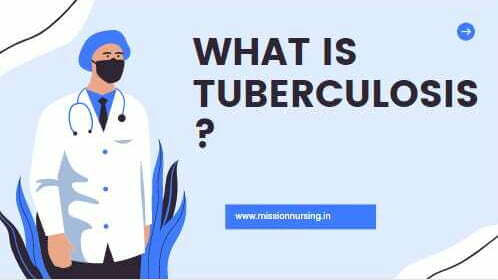
what is tuberculosis? Symptom Cause and Treatment

Mission Nursing

what is tuberculosis? / what is TB?

TB is a lung infection caused by the TB bacterium. TB is spread through the air when someone with the infection coughs or sneezes. TB is most common in people who are HIV positive, smoke or have a weak immune system.

Symptoms of TB include a cough, chest pain, shortness of breath, fever, and night sweats. If you have TB, you will need treatment to prevent the disease from spreading to other parts of your body. Treatment includes antibiotics and/or TB therapy (also called radiotherapy).

TB is treatable, but it can be deadly if not treated early. If you think you may have TB, please get tested. If you are diagnosed with TB, you will need to take antibiotics to prevent the disease from spreading. If you are treated for TB, you will need to take antibiotics for the rest of your life.

Tuberculosis Sign and Symptom:-

Mycobacterium tuberculosis appears in a number of organs, a few of which are explained here. Be aware of the different types of symptoms in order to take necessary precautions in time. In case of the slightest doubt on account of the continuation of symptoms, visit a physician for the necessary tests. Though this disease is prevalent it may affect any person at any time. ‘affluent tuberculosis’ may affect a person with limited exposure to sunlight. Sometimes, symptoms appear mild and continue to present themselves without causing upheavals and creating a sense of the need for immediate care. This results in a lack of timely and sufficient care being provided to the patient. The condition may develop due to poor immunity though the surroundings are clean.

what are the symptoms of tuberculosis?

1. Tuberculosis’s effect on the Lungs:-

Tuberculosis commonly attacks the lungs. A cough that will not go away, low-grade fever that appears for a long time, increasing weight loss, body pain, and the occasional appearance of blood in the sputum are the common symptoms of the incidence of tuberculosis. Night time may see bouts of intense sweating that leave the patient terribly weak and lethargic. Medication for cold and fever should not be provided when there is continuous low-grade fever since they tend to hide the symptoms. If a set of symptoms appear that seem to be similar to the description, a doctor must urgently be contacted.

2. Tuberculosis’s effect on the Bones:-

A patient who faces an inability to bend because of rigidity in the limbs may be a victim of tuberculosis. Other symptoms like low fever (around 99 degrees F) that appears in the afternoon along with back pain and local tenderness on the limbs must be considered as the possibility of tuberculosis. Typically the patient shows distinct weight loss and a severe loss of appetite. There may be occasional night sweats and the patient complains or there is a noticeable difficulty in sitting for extended periods of time.

3. Tuberculosis’s effect on the Lymph nodes:-

Lymph nodes constitute the drainage system of the body and can be attacked by tuberculosis. The incidence of bilateral swelling on the neck, underarm or groin must be treated as an urgent symptom. If the points show slow growth of nodes with the occurrence of continuing fever, it is a possibility of tuberculosis infection. A persistent cough may be treated as a confirmation for a test for the ailment. The doctor must carry out a fine needle aspiration of the swelling to send for testing and confirm or negate the presence of tuberculosis. The line of treatment must start on the receipt

Treatment of Tuberculosis:-

Once the diagnosis of tuberculosis is confirmed, the patient must maintain a strict dietary and rest regimen to remain on the path to recovery. This is not easy since the dosage recommended involves consuming eight pills in the course of a day for a period of nine months. The patient feels fatigued though the disease is under control. The dosage of tuberculosis medication must be meticulously maintained to prevent the development of drug-resistant strains of bacteria that make successful treatment difficult and worsen the cases of disease spread.

Lack of awareness

Patients of tuberculosis often lack awareness about the possibility of the disease returning if the medicines are not taken as prescribed. The profile of patients is normally poor, uneducated, and desirous of returning to work to continue earning for the family. The absence of personal care and follow-up further exacerbates the worsening and spreading of the disease. Public health officials insist on meeting tuberculosis patients on a regular basis to ascertain that medicine consumption is being adhered to.

Research on public health

Research by major agencies has found that education of patients and their families on the need to stem tuberculosis because of the potential spread and possible complications if medicines are not taken has been found to be effective. Many times, patients of tuberculosis prefer to return to their work on account of the financially constrained situation and find it difficult to remember to take the dosage as recommended for controlling and curing tuberculosis.

what causes tuberculosis:-

Some agencies have set up a mobile reminder facility that rings at a specific time to remind the patient to consume the tuberculosis medication. Once the medicine is consumed, the patient is required to send back a code confirming it. Regularity is rewarded with a pre-agreed incentive. This is a cheaper and more effective route than the follow-up of public health nurses. The patient is not to be isolated when the treatment starts taking effect and regular work starts. Family members may take turns to call the patient to consume and confirm that tuberculosis medicine has been taken.

Tuberculosis Community level Treatment:-

Tuberculosis care initiatives are often taken by states to stem the spread and conversion to an epidemic. This is possible when the line of communication involves the larger community. The maintenance of basic hygiene, spreading awareness of infected sputum in the vicinity, and educating patients about the possibility of complete recovery are good ways to motivate tuberculosis patients and counter the disease. Friends and relatives of the tuberculosis patient who have been in contact with the patient in the recent past must be informed of the diagnosis and checked for the possibility that the disease has spread to them.Mission Nursing

Thanks…

Jharkhand CHO Recruitment 2024 apply online Post 400

Mission Nursing

Jharkhand Rural Health Mission Society released applications from eligible candidates for contractual appointment as Community Health Officer CHO for one year under National Health Mission Jharkhand. Details of the vacant positions, remuneration, number of posts, and essential qualifications are mentioned herein below.

other Details B.Sc. Nursing / Post Basic B.Sc. Nursing with an integrated Curriculum of the certificate program in Community Health (CPCH) from any recognized Nursing college that has an integrated curriculum and passed in or after the academic year 2016-2020 (The final examination is held between July to November Year 2020) Other details Jharkhand CHO Recruitment 2024 are given below Interested Candidates are reed the official Jharkhand CHO Notification.

Jharkhand CHO Recruitment Related Other Details Like Age, Education Qualification, and Application fee, are given below. Interested Conditions in Jharkhand CHO Recruitment reed the original notification before applying the application form.

Jharkhand CHO Vacancy Details:-

Name of the post Number of Post Educational Qualification
Community Health Officer CHO
  • UR-160
  • EWS-40
  • ST-104
  • SC-40
  • BC-1-32
  • BC-2-24
  • total=400
B.Sc Nursing/ Post Basic Nursing With CCH Certificate

Jharkhand CHO Salary:-

Rs.25000/- per month

How to Apply to Jharkhand CHO:-

visit the official website of Jharkhand CHO.

click Registration Tab.

Registration and login for an application form.

login and fill required details in the application form.

upload the required document in Jharkhand CHO Recruitment.

Submit the application form and take a print out.

Important Dates:-

Jharkhand CHO Application Start Date 15th June 2023
Jharkhand CHO Application Last Date 10th July 2024

Jharkhand CHO Important Links:-

Jharkhand Official Notification  Click Here
Jharkhand CHO Official Website  Click Here


UPPSC Staff Nurse Recruitment Notification 2022 – 558 Vacancies

Mission Nursing

Uttar Pradesh Public Service Commission (UPPSC) released a new recruitment notification for the post of Staff Nurse. UPPSC has about 558 post positions to fulfill in Uttar Pradesh State. Online applications are filling starting 23rd June 2022. Interested candidates applying for Reed official notification after that apply the application form. eligible Candidates having Intermediate (10+2), B.Sc Nursing / GNM Qualification is required for filling the application form.  Employment notification was released on 23rd June 2022. However, Candidates with essential qualifications can apply for UPPSC Recruitment 2022 on or before the last date. Before applying for these posts reed the official notification after that apply the UPPSC Recruitment Application Form.

UPPSC Vacancy Details & Eligibility Criteria:-

Name of Post Number of Post Required Educational Qualification
Staff Nurse 558 Intermediate (10+2)/ GNM/ B.Sc Nursing


UPPSC Recrutment Age Limit:-

  • Minimum age required:- 21 years.
  • Maximum age require:-40 years as of the closing date of application.

UPPSC Pay Scale:-

Consolidate remuneration will be paid up to Rs. 44900- 142400 per Month.

UPPPSC Selection Process:-

Selection will be based on Condidets performance in the.

  • Written Examination
  • Interview

How to Apply for UPPSC Recruitment 2022:-

  • Visit The UPPSC Official website.
  • Go Advertisement tab and click apply button.
  • Click Apply Online Button > Self Registration.
  • After registration login to the application form page.
  • fill the application required details.
  • Upload the required Scanned Documents in UPPSC Recruitment Application.
  • Pay the UPPSC Application form fee.
  • Finally, Submit the UPPSC Application Form.
  • Print The UPPSC Application Form.

UPPSC Recruitment Application Fee:-

  • Unreserved / BC Candidates:- Rs. 125
  • SC /ST Candidates:- Rs.65
  • Handicapped Candidates:- Rs.25

UPPSC Recruitment Important Dates:-

Starting Date of UPPSC Main Examination 23rd June 2022


UPPSC Recruitment Important Links:-

UPPSC Recruitment Official Notification Click Here
UPPSC Recruitment Apply link Click Here


Era University Staff Nurse Recruitment 2022

Mission Nursing

Mission Nursing

Era University has released a new vacancy notification for the post of Staff Nurse with 02 post Recruitment. Who Candidates are qualified in B.Sc Nursing are eligible for this post in this post purely on exams based. Interested Candidates apply for this post before 20th June 2022 before the last date of application. other details like Age, Post, and Application Fee, related to Era University Recruitment are given below. eligible Condiddets are reed full Notification Before Apply. Era Unversity Recruitment Details.

Vacancy Details & Eligible Criteria:-

Name of the Post Number of Post Educational Qualification
Staff Nurse 02 B.Sc Nursing/ GNM


Age Limit:-

  • Minimum:- 18 years
  • Maximum:- 45 years

Selection Process:-

  • Interview
  • Written Test

Pay Scale:-

  • Minimum Rs. 25000/-
  • Maximum Rs. 41000/-

How To Apply for Era University Vacancy:-

  • Visit the Era University Official website.
  • Select the related post reed the official notification of Era University Recruitment.
  • Click the Apply Link.
  • Fill Out the Complet Details in the Application form.
  • Upload Required Documents Copy.
  • Submit the Application form for Era University Recruitment.

Important Dates:-

Last Date to Apply Era University Vacancy Application Form 20th June 2022


Era University Important Links:-

Official Notification and Application Form Link Click Here

GPSC Nursing officer Recruitment 2022 apply online post 215

Mission Nursing

Gujarat Public Service Commission (GPSC) has announced new recruitment. In this recruitment Notification the post of T.B & Chest Specialist Radiologist women and Child Officer, Nursing Officer, Assistant Engineer, Manager, Research Officer, and other posts are available for application. total 215 posts in GPSC Recruitment. Different posts required Different Education Qualification in this Vacancy Candidates who are qualified in degree, post Graduation B.E/ B.Tech in Civil Ingenier, B.Sc Nursing / M.Sc Nursing, MBBS Condiets are eligeble in GPSC recruitment 2022.

Interested and qualifying Condidets are reed the official notification and apply the form 15th June 2022th 30th June 2022, apply the before the last date of GPSC application form. More details about the GPSC Recruitment Application form like Age, Education qualification, pay Scale, Age Limit, Selection Process How to apply, and other details related to GPSC Recruitment are given below. before applying for the application form please read the original application form.

GPSC Vacancy Details & Eligible Criteria:-

Name of the Post Number of Post Education Qualification
T.B & Chest Specialist 01 MBBS,PGDM,MD,DNB
Radiologist 01
Women And Child Officer/ Dy Director 01 Post Graduation
Child Development Planning Officer 69 Degree/Post Graduation
Nursing Officer/ Principle 34 B.Sc Nursing / M.Sc Nursing
Assistant Engineer (Civil) 100 Degree/ B.E/ B.Tech in Civil Engineering
Manager 01 degree
Research Officer 04 M.E/ M.Tech in Civil Engineering
Geologist 04 Post Graduation


GPSC Vacancy Age Limit:-

  1. Minimum Age:- 18 years
  2. Maximum Age:- 45 years

GPSC Vacancy Pay Scale:-

  • Minimum Pay Scale:- Rs.9300/-
  • Maximum Pay Scale:- Rs.208700/-

GPSC Vacancy Application fee:-

  • General Applicant:- Rs.100/-
  • Reserved Applicant/EWS of Gujarat/ PH Candidates:- Nil

How to apply in GPSC Recrutement:-

  • Go to the GPSC Official Website.
  • Click the Applicable link and Download the official notification.
  • reed the GPSC Recruitment official notification before filling the form.
  • Click the apply link registration.
  • fill out the GPSC Recruitment application form.
  • Upload the Scanned Copies of the required document.
  • pay the application fee.
  • submit the GPSC Recruitment application form

GPSC Recruitment Important dates:-

GPS Recruitment Starting Date to apply 15th June 2022
GPSC recruitment Last date to Apply 30th June 2022


GPSC Recruitment Important Links:- 

GPSC Official Notification Click Here
GPSC Apply Online Link Click Here


AIIMS Delhi Staff Nurse Vacancy 2022

AIIMS NORCET 2022 Official Notification


All India Institute of Medical Science, Delhi (AIIMS) has announced a new recruitment notification for the Staff Nurse Post. In this vacancy 03 posts have been released this vacancy with different NORCET Exams. This Vacancy has a good opportunity to work at Delhi AIIMS as a Staff Nurse. In AIIMS Vacancy who Codidets are applying that B.Sc Nursing, ANM/GNM Qualified Candidates are eligible for AIIMS Delhi Staff Nurse Vacancy. Eligible and Interested Condidet apply before 20th June 2022. More details Like Education Qualification, Age, work Experience, Application Fee, how to apply, And other important details are given below. Reed original Notification Before Apply For AIIMS Delhi Staff Nurse Vacancy.

AIIMS Delhi Staff Nurse Vacancy Details:-

Name of Post Number of Vacancies Education Qualification
Staff Nurse 03 B.Sc Nursing, GNM/ANM


AIIMS Vacancy Age Limit:-

  • Minimum:- 18 years
  • Maximum:- 30 years

AIIMS Vacancy Selection Process:-

  • Selection will be based on the Interview.

Pay Scale:-

  • Rs.31500/- per Month.

AIIMS Vacancy how to apply:-

  • Visit the official AIIMS website.
  • Verifying the notification whether you are eligible or not.
  • Eligible Candidates may send resume/CV and other essential documents via email id.

Email ID:- arikablb@gmail.com

Important Dates:-

Last Date to Apply 20th June 2022


Important Links:-

Official Notification Click Here