Mission Nursing Provide Jobs Information and medical Notes. Any queries related to Mission Nursing please contact us we try to solve them. > missionnursing.in@gmail.com
To take admission in B.Sc Nursing the Bachelor of Science in Nursing course. Those candidates must have completed 4 years bachelor’s degree from any subject university. Universities select candidates through entrance examinations. The Common Entrance Test starts from April to June. Application forms can be submitted online and offline at the official website of the university. With BSc in Nursing, students can become Nursing Supervisor, Nursing Assistants, Indian Government Employees, Instructor, and other posts.
BSc Nursing Entrance Exam Requirements
Before appearing in any B.Sc Nursing entrance exam, you must follow the below-discussed conditions:
Based on your preferences and the entrance exams they accept, make a list of BSc Nursing colleges you wish to apply to.
NEET is the nationally recognized entrance exam for BSC Nursing Admission 2023 (bsc nursing 2023) for almost all colleges.
Check out the eligibility and admission criteria for all these B.Sc Nursing entrance exams.
Some entrance exams are national level and are accepted by most of the B.Sc Nursing colleges, while others like MNS 2023 are conducted to offer admission to medical and nursing courses in armed forces colleges.
BSc Nursing Admission Process 2023
All the colleges give admission in BSc nursing courses on the basis of entrance test conducted by NTA or colleges. Some colleges give admission on the basis of merit.
Before filling the admission form candidates must fulfill the minimum eligibility criteria set by each college. Candidates who qualify the eligibility criteria will have to go through the below-mentioned steps.
BSc Nursing Admission 2023: Eligibility
The minimum age limit for BSC Nursing Admission 2023 is 17 years.
Candidates must have completed 10+2 level of education with Physics, Biology, English and Chemistry as main subjects. The minimum qualifying percentage requirement is different for different B.Sc Nursing colleges. Apart from the minimum qualifying marks, the candidates also have to meet the cut-off requirements in the qualifying entrance examinations. The upper age limit for appearing in the examination and for B.Sc Nursing admission has been waived off.
BSc Nursing Admission 2023: How to Apply?
Candidates applying for B.Sc Nursing admission must follow the following steps:
For admission candidates have to apply online on the college website.
It is necessary to appear in the entrance exam and one has to prepare and score very well to qualify and get a good All India Rank (AIR).
Then candidates can shortlist the colleges on the basis of their marks and counseling session.
After the counseling session, candidates must accept the seat in the allotted colleges.
Candidates can finalize the admission by paying the admission fee in due time.
B.Sc Nursing Admission 2023: Counseling
After you are selected for B.Sc Nursing admission on the basis of your score in the entrance test, you will have to go through a round of admission counseling.
Candidates have to submit all the important and necessary documents like certificates of previous examinations, personal ID proof, application forms etc.
After that, the candidates are asked to pay the admission fee within the stipulated date and accept admission in the college.
Rajasthan bsc nursing entrance exam date 2023 Apply now for Rajasthan BSc Nursing 2023
In the digital age, where technology bridges distances and promotes connectivity across the globe, the concept of peer-to-peer (P2P) communities has emerged as a powerful force promoting collaboration, knowledge-sharing and collective empowerment. Is. P2P communities are reshaping the way we communicate, learn and work together, cutting across geographic boundaries and hierarchical structures. In this blog post, we will explore the essence of P2P communities, their importance and how they are changing the dynamics of modern society.
Understanding P2P Communities
At its core, a P2P community is a group of individuals who come together based on shared interests, passions or goals. Unlike traditional hierarchical models, P2P communities emphasize equality and a flat structure, where each member has their own voice and role. These communities leverage digital platforms and technologies to facilitate communication, connectivity and collaboration.
Key Features of P2P Communities
Shared Knowledge and Learning: P2P communities thrive on the exchange of knowledge. Members pool their expertise and insights, creating a rich learning environment where information flows freely. This collective learning benefits both newcomers looking to learn and seasoned experts looking to expand their horizons.
Empowerment: P2P communities empower individuals by providing a platform to contribute, lead and influence results. This empowerment often extends beyond the digital realm, fostering a sense of ownership and agency in members’ personal and professional lives.
Collaboration: Collaboration is the heartbeat of P2P communities. Members collaborate on projects, initiatives and discussions, leading to innovative solutions that would not have been possible in isolation. This collaborative spirit fosters creativity and drives collective progress.
Diversity and Inclusion: P2P communities embrace diversity, welcoming individuals from different backgrounds, cultures, and perspectives. This inclusiveness enriches the discussions, encourages an open mind and broadens the horizons of the members.
Decentralization: Unlike centralized models, P2P communities lack a single controlling authority. Instead, decisions are often made through consensus, ensuring that the collective wisdom of the community dictates the direction.
Benefits of joining P2P communities
Skill Enhancement: P2P communities provide a conducive environment to hone skills and acquire new skills. Whether it’s learning to code, mastering a musical instrument, or developing leadership skills, these communities provide resources and advice.
Networking and Connections: P2P communities facilitate meaningful connections beyond traditional social networking. Members bond over shared interests, which lead to friendship, cooperation, and potential business opportunities.
Personal Growth: Engaging in P2P communities fosters personal growth by challenging individuals to step out of their comfort zones, engage in constructive debate, and embrace diverse perspectives.
Collective Impact: When a group of like-minded individuals comes together, they can tackle big issues and make a significant impact. P2P communities often engage in social activism, environmental initiatives, and humanitarian efforts.
Adaptation and Innovation: P2P communities are dynamic and flexible, allowing rapid adaptation to changing circumstances. This agility fosters innovative thinking and problem-solving.
Conclusion
In a world characterized by rapid technological advances and evolving social structures, peer-to-peer communities offer a refreshing alternative to traditional methods of interaction and collaboration. These communities foster inclusivity, shared knowledge and empowerment, enabling individuals to learn, grow and make meaningful contributions. By embracing the principles of P2P collaboration, we unlock a future where collective action and connection shape the world for the better. So, whether you’re a curious learner, a seasoned expert, or just someone looking to make a difference, there’s undoubtedly a peer-to-peer community waiting for you to join.
Hospital biomedical waste is waste that is generated from the medical, surgical, laboratory etc facilities. Hospital waste is capable of causing infectious diseases, so hospital waste management is essential. Hospital waste management means – using various techniques to manage hospitalized waste material to prevent the spread of disease through.
eg:- some diseases like – hepatitis B, HIV, etc. are transmitted through hospital waste.
Biomedical waste management is essential to minimize nosocomial infections in hospital health workers and patients.
Biomedical waste categories
Category No. 1 = Human anatomical waste.
Category No. 2 = Animal waste.
Category No. 3 = Microbiology and biotechnology waste.
Category No. 4 = Sharps waste material.
Category No. 5 = Discarded medicine and cytotoxic drugs.
Category No. 6 = Soiled waste.
Category No. 7 = Solid waste material.
Category No. 8 = Liquid waste.
Category No. 9 = Incineration waste.
Category No. 10 = Chemical waste.
Hospital waste management according to the color coding
Yellow container
Human anatomical waste, animal waste, biopsy tissue, granulation tissue, soiled waste, dressing waste, discarded medicine, and cytotoxic waste.
Category of waste – 1,2,5,6
This type of waste is treated by incineration.
Red container
Syringe without needles, catheters, IV tubes, soiled gloves etc.
Blue container
Glass, vials, ampules, and other sharp glass materials are discarded in the blue container.
White puncture-proof container
Needles, blades and some sharp object discard in the white box.
Black container
Vegetables, fruits, disposable Cape, tea or milk disposable cups, dust, kitchen waste, medicine packets, leftovers etc are discarded in the black container. The black container is usable for non-biomedical waste.
Universal Precautions in Biomedical waste management
Universal precaution follows is very essential to prevent the spread of Infection through hospital waste.
Always wear personal protective equipment while carrying infectious body fluid and investing in them.
PPE are – gown, gloves, mask, goggles, face Shields, shoes cover, hair caps etc.
Body fluid and bloody fluids are placed in the leakproof container.
Before and after procedure – follow hand washing.
Safely use and disposal of the needle and sharp objects.
To promote the cleaning up of the blood and body fluid spills.
Safely collect and dispose of hospital waste.
It is a standard level of infection control precaution.
Provide education and training about universal precautions.
how to Segregation of waste biomedical waste
Segregation of waste is important prior to treatment and disposal of waste.
Waste segregation means – separating or dividing the waste at the point of origin.
It is important to separate the infectious waste from non-infectious waste.
The infectious waste are – blood and body fluids, body excretory waste, microbiological waste, sharp pathological waste, contaminatory laboratory waste, sample chemical waste etc.
Waste segregation uses the covered containers, those were well described above for eg:- yellow or red container used for infectious waste and black container used for the non-infectious waste.
Hospital waste treatment and disposal
Waste treatment
Incineration
Incineration means burning the waste at high temperature.
It reduces the organic and combustible waste to inorganic incombustible matter.
It uses a double chamber incinerator that consists of 2 chambers.
In one chamber, waste is burned at 800° C temperature and another chamber waste is burned at 1000° C temperature.
Incineration is useful for following waste – body part, animal waste, solid dressing and microbiological waste.
Most common disadvantage is – producing high toxic gases.
Autoclaving
Autoclaving is a sterilization method which uses high steam pressure.
Autoclaves include 121° C temperature, 15 pound pressure for 30 minutes.
The procedure is useful for microbiological waste, blood and blood products, body fluids and used sharps.
The method is not recommended for the pathological waste.
Chemical treatment
Some chemicals are added to waste to kill or inactivate the pathogen in it.
The chemical treatment ensures disinfection.
Following chemicals are used – sodium hypochlorite, formaldehyde, glutaraldehyde etc.
A good disinfectant is a bleach (10 gm of bleach in 1 litre of water).
Other chemical disinfects are also use
Ethanol 70%
Hydrogen peroxide 6% for 30 minute.
Glutaraldehydes 2% for 30 minutes etc.
Disposal
Land feeling or deep burial and sewage are used for disposal.
Land filling or deep burial used to dispose of infectious waste.
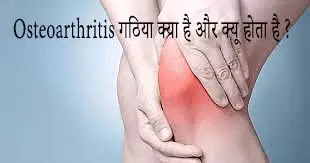
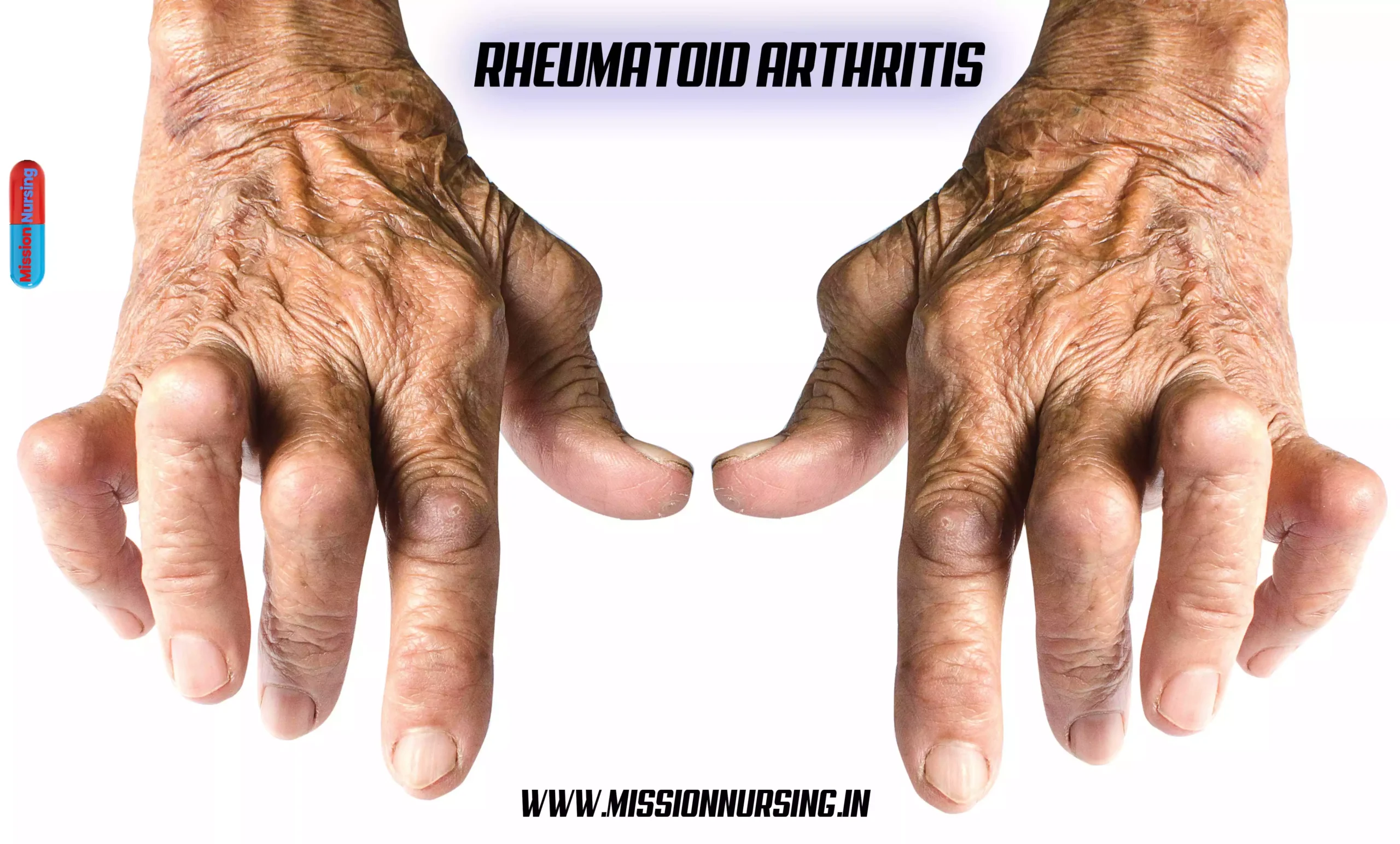
Arthritis is a common form of arthritis. Arthritis is an inflammation of the joints. Arthritis is a degenerative joint disorder characterized by degeneration of articular cartilage. Generally, arthritis affects weight-bearing joints, large joints, and central joints. Usually, the effect of arthritis is more in older women. As. – More than 50 years, especially menopause (at the age after the cessation of menstruation). Arthritis is a non-inflammatory disorder caused by cartilage degeneration.
How many types of arthritis are there?
Primary arthritis is also idiopathic arthritis. It usually occurs in elderly people with no prior pathology. The cause of primary arthritis is unknown. Most common form of arthritis.
Secondary arthritis is caused by a previous joint injury or inflammatory disease.
As. – Previous infections and deformities, obesity, rheumatoid arthritis, hyperthyroidism, etc.
Why does Arthritis happen?
Such a person who has someone in his house or someone in his family, he may have arthritis due to genetic disorder (by birth).
Such a person whose age is more than 50 years, they can also have Arthritis or Arthritis / Gathiya. (> 50 years)
A person with obesity and acromegaly may also have arthritis. (overweight disorder)
The person who smokes can also have Arthritis or Arthritis/Gathiya.
A person who takes a lot of tension can also have arthritis or Gout.
People who have stretch in the muscles of the joints also have a chance of getting arthritis or gout.
Such a person who is in the business of carrying loads may also have Arthritis or Arthritis.
Nongonococcal septic arthritis / Gathiya
Malfunction in the lubrication system. Malfunction in the lubrication system.
How does Arthritis happen?
After there is any reason for Arthritis or Arthritis/Gathiya
degeneration of articular cartilage
The load bearing and central joint do not stop or reduce the work.
overgrowth of cartilage
Deformity and locking of the joint – i.e. the joint stops working
After that pus starts forming in the joints.
And the person gets the disease of Arthritis or Gout.
What happens in the body when there is arthritis
Severe joint pain in a person with Arthritis or Arthritis – pain increases with activity and relieved by rest.
Due to Arthritis or Arthritis, pain is increasing in the person at night.
Stiffness in the joints in the morning due to Arthritis or Arthritis.
Joint tenderness and extension.
Herberden’s nodes and Bouchard’s node.
Due to Arthritis / Gathiya, the friction between bones ends in a person (crepitation).
Burning and swelling of joints in a person due to Arthritis or Arthritis.
Skeletal muscles atrophy in a person due to Arthritis or Arthritis.
Reduce the range of motion in a person due to Arthritis or Arthritis.
Due to Arthritis or Arthritis / Gathiya, the patient becomes unable to do daily work in a person.
Muscle weakness or weakness.
Due to Arthritis or Arthritis, a person feels as if the joint has been locked.
There is loss of joint function in a person due to Arthritis or Arthritis.
How to check Arthritis patient
Has anyone in the home of an Arthritis patient had any physical tests before?
X-ray of joint of arthritis patient. can be found by taking
Arthritis can also be detected by testing the synovial fluid of the patient.
CT scan and MRI can also detect
Arthritis patient’s blood test – Rheumatoid factor is negative.
Bone scan can also be detected by doing bone scan.
How can cure Arthritis?
Which medicine is used in the treatment of Arthritis?
Acetaminophen, NSAIDs are used in Osteoarthritis.
muscle relaxants
corticosteroids corticosteroids – for inflammation.
weak opioid.
Intra-articular corticosteroid injection.
proton pump inhibitors.
non-medicinal
Daily exercise routine.
Proper positioning and support.
weight loss exercise.
cool experiment.
Provide adequate rest.
Provide a bed to raise the feet.
Avoid bending the knees and hips.
surgical management
Arthroplasty – replace damaged articular cartilage.
Arthrotomy – surgically opening a joint.
Osteotomy – cutting the bone.
joint replacement surgery.
confusion
Stability
spinal stenosis
sepsis
Infection
dissection.
Are there Home Remedies available to get rid of arthritis pain?
Yes friends, there are some home remedies that can be done to get relief from the pain of arthritis-
1.) Arthritis patients should massage the joints with olive oil. This reduces the level of pain and gives relief in pain.
2.) Even taking a steam bath or steam bath can greatly benefit patients of Gout.
3.) Arthritis / Gathiya before going to sleep Patients should massage their joints with vinegar. This can also reduce pain.
4.) Research has also revealed these things that taking a bath with sea water also gives relief from the pain of Arthritis patients.
5.) Along with this, massaging with castor oil also gives great relief to the patients of Arthritis/Gathiya from acute pain.
Conclusion
These are some important things related to Arthritis. Remember all these things. In this article, we have discussed the causes, symptoms and prevention of Arthritis. We have tried to cover all the important points related to Arthritis and present it in front of you in this article. We hope that this article will live up to your expectations. Along with this, you must have also come to know about important things related to Arthritis. You can share your questions and suggestions related to the article with us by writing in the comment box. And tell friends who have arthritis problem
Special- Arthritis disease is a very painful disease. The person suffering from this disease has to face a lot of pain. In such a situation, our first advice is that it is necessary for arthritis patients to see a doctor. After medical advice, attention should be paid to preventive methods and home remedies should be adopted. The first treatment should be medical treatment.
Key Points About Arthritis
Degenerative joint disorder – Arthritis.
In which type of arthritis / Gathiya there is a load on the joints – Arthritis.
The most common arthritic disorder – primary arthritis.
The most common cause of arthritis – is unknown.
Arthritis affects which age group more – above 50 years?
Haber Den’s node and Bouchard’s node are one disorder – Arthritis.
handwritten Biology NEET Notes In the competitive world of NEET, having well-structured Biology notes pdf is a game-changer. They not only streamline your preparation process, but they also enable you to understand complex concepts and effectively remember information during the exam. Remember that making a Comprehensive handwritten Biology NEET Notes pdf is a gradual process, so start early, be persistent, and keep refining your notes as you go. With a well-prepared set of notes and dedication, you can confidently ace the NEET Biology section and increase your chances of securing the top rank in the exam. Good luck to you!
B Pharm Notes A Bachelor of Pharmacy (B.Pharma) degree is a step towards a rewarding career in the pharmaceutical industry. Throughout the journey of B.Pharma, students come across a wide range of subjects ranging from medicinal chemistry to pharmacology. To excel in this dynamic field, it is important to maintain well-organized and comprehensive B.Pharm Notes. In this blog post, we will explore the importance of B.Pharma Notes and provide valuable tips for creating effective study material to maximize your academic success.
1. Comprehensive Reference: B.Pharm Notes consolidate important information from lectures, textbooks, and research papers into a single, easily accessible resource. This compendium of knowledge is invaluable for quick revision and exam preparation.
2. Simplified learning: You need to break down complex concepts into simple, understandable language for making notes. This process helps in assimilating knowledge and increases your understanding on important topics.
3. Time Management: Well-organized B.Pharm Notes save time during busy academic schedules. Instead of sifting through multiple sources, you can rely on your notes for quick and efficient information retrieval.
4. PERSONALIZED LEARNING: Notes can be tailored to individual learning preferences, including visual learners who can include flowcharts and diagrams, or auditory learners who can use bullet points for quick review.
Making Effective B.Pharm Notes
1. Active listening: Pay close attention during lectures and actively participate in class discussions. Write down the main points, clarifications, and additional information provided by your professors.
2. Structured Format: Organize your notes into chapters or units, in line with the topics covered in your course. Use headings, subheadings, and bullet points to create a clear and logical outline.
3. Concise language: Strive for clarity and conciseness in taking your notes. Avoid unnecessary jargon and long explanations. Brief notes are easier to review and revise.
4. Diagrams and Charts: Supplement your notes with relevant visuals, such as molecular structures, drug formulations, and pharmacological pathways. Visual aid enhances understanding and perception.
5. Highlight key information: Use a highlighter or colored pen to emphasize essential concepts, definitions, and formulas. This will help you to quickly identify important information during revision.
6. Real-life examples: Include case studies and practical examples in your notes. Linking theoretical knowledge to real-world scenarios adds context and depth to your understanding.
7. Regular Updates: Continuously update your B.Pharm Notes pdf to reflect new developments in the pharmaceutical industry, emerging research, and advancements in drug therapies.
Conclusion
B.Pharma Notes pdf plays a vital role in shaping your academic journey and pave the way for a successful career in Pharmacy. With a well-organized set of notes, you can understand the intricacies of various topics, revise efficiently, and tackle challenging exams with confidence. Remember that note-taking is a continuous process and consistency is the key to creating effective study material. By actively engaging in your lectures, using a structured format, and supplementing your notes with visuals and examples, you can prepare comprehensive B.Pharm notes that will serve as valuable companions in your academic endeavor. Embrace the power of note-taking, and reach your full potential as a pharmaceutical scholar. Best of luck on your journey to becoming a skilled pharmacist!
Handwritten NEET Notes for NEET 2024 Exams. Preparing for the National Eligibility cum Entrance Test (NEET) is an exciting yet demanding journey for aspiring medical students in India. Keeping in mind the tough competition and vast syllabus, effective study techniques are important. Out of these, the art of making and using Handwritten NEET notes emerges as a powerful tool. This blog post will throw light on the importance of NEET notes and provide valuable information on how to make and leverage them to maximize your chances of success.
Why are NEET notes important?
1. Simplification of Complex Concepts:
NEET syllabus 2024 is comprehensive and includes various complex subjects like Physics, Chemistry, and Biology. Taking notes allows you to break down complex topics into chunks and understand them easily. By summarizing key information, you can effectively understand and retain important concepts.
2. Event Information:
Handwritten NEET Notes help you organize and organize the vast amount of information you will come across during your preparation. By categorizing topics, subtopics, and related details, you create a logical flow that helps in understanding. Well-structured notes enable you to review and revise easily, saving you time and effort.
3. Retaining Knowledge:
The act of writing and reviewing your Handwritten NEET notes reinforces learning and helps in long-term memory retention. Research shows that actively engaging with the material through writing promotes better comprehension and memory. Your Handwritten NEET notes become a valuable resource that helps you retain information even during the high-pressure NEET exam in 2024.
Handwritten NEET Notes 2024
Handwritten NEET Notes 2024
Handwritten NEET Notes 2024
How to Make Effective NEET Notes:
1. Be selective:
Avoid copying every word from textbooks or study material. Instead, focus on extracting essential information, including key concepts, formulas, and diagrams. Be selective and give priority to subjects that are in line with the NEET syllabus and carry more weightage.
2. Use visual aid:
Integrate diagrams, flowcharts, tables, and graphs into your Handwritten NEET notes to present information visually. Visual aids enhance understanding, facilitate quick revision, and improve rereading skills (Decrease revision time before NEET 2024 Exams. Color-coding (Use Multicolor Pain in Handwritten Neet Notes) and highlighting important points can further increase their effectiveness in Revision time.
3. Keep Them Brief:
Strive for clarity and conciseness in your Handwritten NEET notes. Use bullet points, abbreviations, and keywords to condense information while retaining its essence. This approach makes revision efficient and helps you grasp concepts faster during last-minute preparation.
Taking advantage of your NEET notes:
1. Regular Revision:
Make it a habit to review your NEET notes regularly. Short, frequent study sessions dedicated to revising your notes will reinforce learning and ensure the retention of important information. Aim to revise old topics while focusing on new topics to maintain a comprehensive understanding.
2. Practice and Application:
Your Handwritten NEET notes are not only for memorization but also for problem-solving. Apply the knowledge gained from your Handwritten NEET notes to solve practice questions and sample papers. This practical application will help you identify areas where you need further clarification and reinforce your understanding of the concepts before NEET Exams 2024.
3. Collaborate & Share:
Create study groups or join online forums to discuss and exchange Handwritten NEET notes with fellow aspirants. Sharing your notes and discussing topics with others can provide new perspectives, clarify doubts and strengthen your understanding of difficult concepts.
How to Read Handwritten NEET Notes
The syllabus for the preparation of JEE main and NEET exams is huge and the students cannot prepare the complete syllabus from the books. To make the syllabus easy to learn the preparation of notes become important. To refer to Handwritten notes, the students must follow the preparation tips given below.
Select the Handwritten notes one by one and Click the Download Button.
A summarized single chapter within one page must be read all over again.
Keep in mind all the important formulas, topics, and statements.
Solve the mock tests and previous year’s papers with answers Keys.
Go through the syllabus again.
Solve the mock tests and previous year’s papers without answers.
Download the Handwritten NEET Notes Pdf and Printout all pdf notes before studying.
These Handwritten notes are very useful for NEET 2024 Exams.
Physics Handwritten Notes (Hindi Medium)
No downloads found!
Biology Handwritten NEET Notes
Biology handwritten Hindi notes. Neet Biology Hindi Notes. Hindi NEET Notes
The flow of the notes matches the way a topic is taught in the class by an expert teacher. these Handwritten NEET Notes are useful in NEET 2024 Exams. Handwritten NEET Notes are more important for NEET Students. Basically, Handwritten NEET Notes are easy to learn and easily readable quick to access, handy, summarized, and point-to-point explained and finely these notes prove these are perfect for learning. Handwritten NEET Notes 2024 are provided on our website these notes are NEET 2023, Toper notes, and hd Quality are available NEET Toper 2023 Notes pdf download and Get Succes in NEET 2024. Check NEET 2024 with the help of Handwritten NEET Notes
The most important concepts highlighted help you determine what to focus on during the first read. and written notes. Contains solved problems on the most important and most asked concepts. Made by toppers and taught by subject experts, which makes these notes a perfect learning tool to gain benefits from.
Free download handwritten notes of Biology, Physics, and Chemistry in pdf. Your search for handwritten notes study material pdf download. kota handwritten neet notes are also available in these posts. neural control and coordination neet notes.
As per the AIIMS of AIIMS for admission in AIIMS Bsc nursing, the admission process is open for candidates who have completed their 12th class from the science stream from any recognized examination board. Applicants must have at least 55% marks in their class 12th exam to apply for the admission process. And 50 Nursing Entrance Exams for SC and ST students
Meanwhile, AIIMS B.Sc Nursing (Post-Basic) 2023 runs for two years and offers 30 seats for admission. There is no separate entrance exam for different courses in AIIMS, B.Sc (Hons.) Nursing, B.Sc Nursing (Post-Basic), B.Sc (Paramedical) Exam taken at the same time for all courses happens.
B.Sc (Hons.) Nursing:-
The required Eligibility Criteria for B.Sc Nursing AIIMS Course is as follows: Class 12th with 55% marks in aggregate ( 50% for SC/ST). minimum age requirement at AIIMS Application form last date 17 Years required.
B.Sc Nursing (Post-Basic):-
Students who have done B.Sc Nursing (Post-Basic) have the minimum requirement as follows. Class 12th with 60% marks as PCB compulsory subjects (50% in case of SC/ST) + Diploma in general nursing and midwifery
B.Sc (Paramedical):-
For doing B.Sc (Paramedical) from AIIMS the minimum eligibility is Class 12th with 55% marks in aggregate ( 50% for SC/ST)
Documents and Information Required for Filling AIIMS BSc Nursing 2023 Application Form:
Documents required to fill AIIMS Bsc Nursing AIIMS Bsc Nursing 2023-24 Application Form and Information AIIMS Bsc Nursing Entrance Exams 2024 Candidates need to keep the following documents ready to ensure successful admission in the course:
valid email id
valid mobile number
passport size photo
Valid Credit/Debit Card and Net Banking details
scanned image of thumb impression
Qualifying Exam Marksheet or Degree
Scanned Image of Signature
Category Certificate (for ST/SC/PwD Category)
AIIMS Bsc.Nursing How to Apply Online?
The candidates who are eligible for AIIMS B.Sc Nursing. Preparing to apply for Nursing 2024 can now submit their applications by following the simple step-by-step guide mentioned below:
Step 1: Visit the official website of AIIMS, aiimsexams.ac.in.
Step 2: From the homepage click on AIIMS B.Sc. Nursing 2022 link and “Click here for Basic Registration” tab is available.
Step 3: Register yourself by entering the required details and click on submit to continue.
Step 4: Login by entering your Registration ID and Password.
Step 5: Fill the application form as required and upload a copy of the mentioned documents.
Step 6: Pay the application fee of Rs.1500/- for General and OBC. 1200/- for SC/ST/Economically Weaker Section category candidates.
Step 7: Submit your AIIMS B.Sc. Nursing 2024 Application Form and take a copy for future reference.
AIIMS BSc Nursing Syllabus
AIIMS BSc Nursing Syllabus 2023 Candidates must be well-versed with the entire syllabus of AIIMS BSC Nursing 2023 exam for better preparation. it gives This gives them an added advantage and increases their chances of scoring high marks in the exam. Here is the AIIMS Nursing syllabus B.Sc and Post-Basic.
AIIMS Bsc NursingAIIMS Bsc Nursing 2024 Syllabus
Physics:
operating current
atom and nucleus
Electronic Components
electromagnetic induction
alternating current
electrostatics
Communication Systems
Optics
electromagnetic waves
Magnetic effect of current and magnetism
dual nature of matter
Chemistry:
solid state
chemistry in everyday life
organic molecules
General principles and processes of separation of elements
chemical kinetics
Solution
electrochemistry
Keystone and Carboxylic Acid
p -block elements
d and f-block elements
surface chemistry
polymers
alcohol
nitrogenous organic compounds
coordination compound
phenol and ester
Biology
structural organization of the cell
cell theory
Difference Between Prokaryotic and Eukaryota
Classification binomial and nominal nomenclature
mendel’s law of inheritance
Essential elements of mineral nutrition and their functions
Role of plants in human welfare
five kingdom classification
Common Sense
History
current affairs
General Policy and Scientific Research
Culture
Geography
AIIMS Nursing B.Sc Post-Basic
obstetric nursing and midwifery
Medical-Surgical Nursing including Anatomy, Physiology, and Pharmacology
fundamentals of nursing
community health nursing
Pediatric Nursing
Professional Trends in Nursing
psychiatric nursing
AIIMS Bsc Nursing 2024 Preparation Tips:-
Check below to know some effective preparation tips for AIIMS BSc Nursing 2024 (H) and AIIMS BSc Nursing AIIMS Bsc Nursing 2023-24 (Post-Basic).
Revise Previous Academic Content: Considering that there is no set syllabus for AIIMS BSc Nursing 2024, candidates must thoroughly review their previous academic material related to AIIMS BSc Nursing to ensure a solid foundation.
Create Comprehensive Notes: Prepare fresh and systematic notes on important topics especially related to AIIMS BSC Nursing 2024 and revise them regularly to reinforce your understanding.
Establish a Balanced Study Schedule: Make a well-structured and balanced study schedule giving priority to the topics relevant to AIIMS Bsc Nursing 2024 Nursing exam. Follow the schedule diligently to manage your time effectively.
Maintain Focus: Stay committed and avoid any kind of distractions that can hamper your exam preparation. Keep your focus on essential topics and topics only.
Divide Syllabus and Take Breaks: Divide the syllabus into manageable sections and allot specific time for each section. Take regular breaks to freshen up and keep your mind fresh.
Solve AIIMS Previous Years’ Papers: Practice solving previous years question papers specially for AIIMS BSC Nursing 2023 to get familiar with the exam pattern, identify recurring topics for, and to improve your problem-solving skills.
Attempt Mock Tests: Take advantage of mock tests to simulate real exam situations. Attempt these tests regularly to assess your preparation level and enhance your time management skills.
Use Reliable Study Materials: Check out the best preparation books and study materials recommended specifically for theAIIMS BSC Nursing exam. Make use of official resources to ensure detailed coverage of the syllabus.
Bsc Nursing Notes
all India AIIMS old question papers and notes are available. bsc nursing notes download in pdf. BSc nursing aiims handwritten notes are available. AIIMS BSc nursing notes download
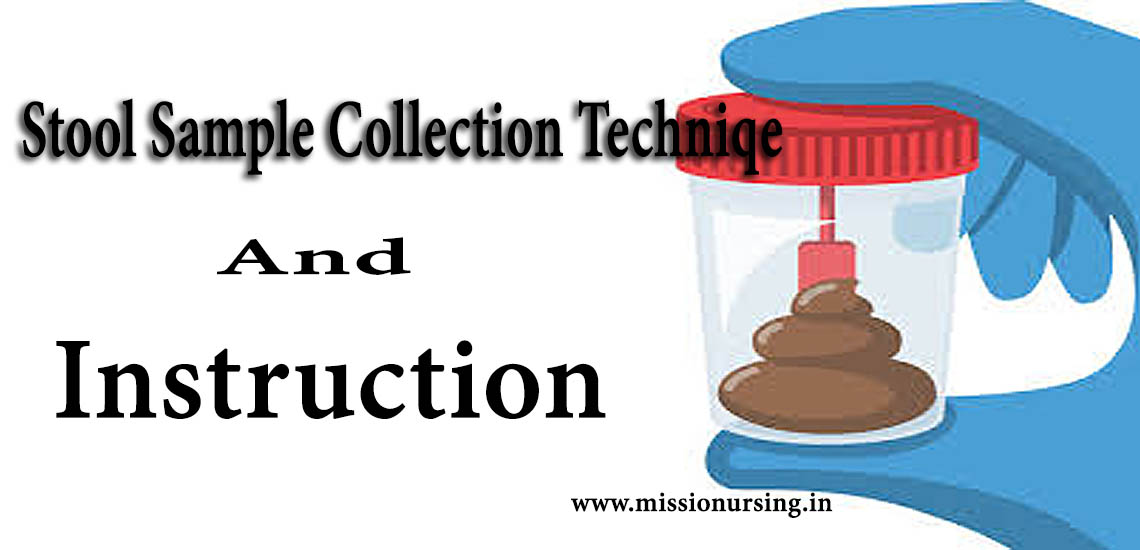
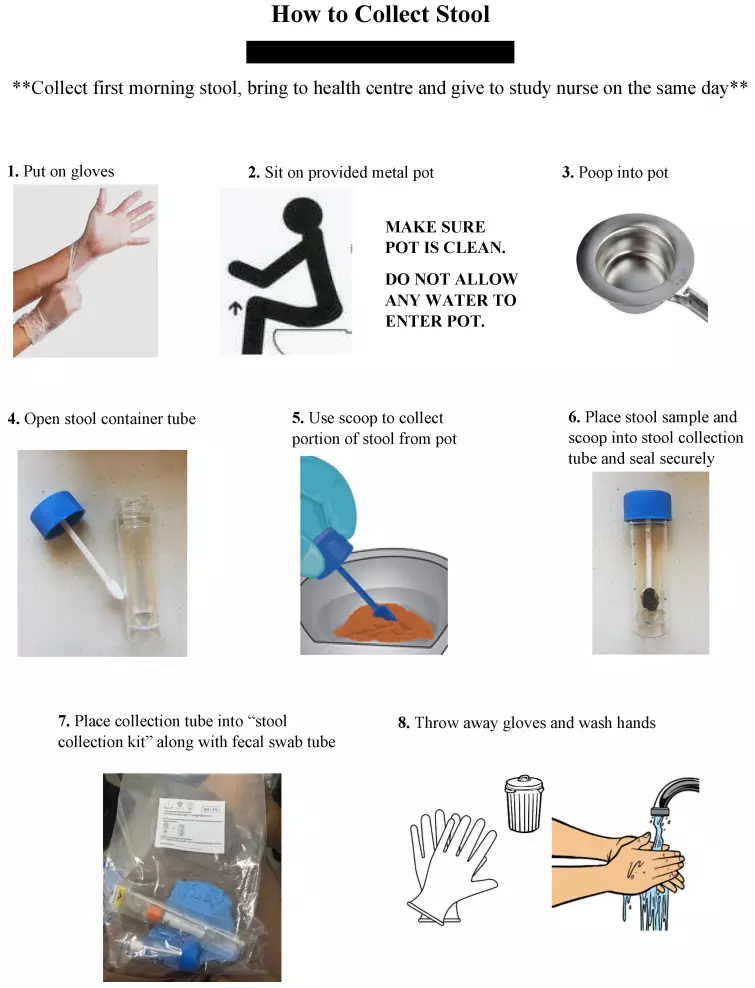
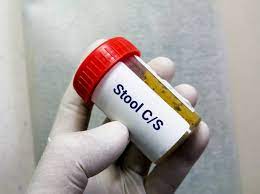
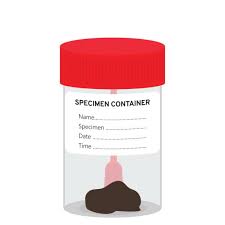
Human faeces are called the stool. Meconium is a newborn first stool. Stool sample collection is a procedure in which stool should be collected in a dry or sterilized wide-mouthed container to identify the pathological condition. Stool sample collection methods require universal precautions. Commonly morning samples should be collected. Patients avoid antibiotic therapy and iron therapy ( orally ) before the sample collection. Stool samples should be away from contact with urine and other body secretions. Instruct patients ono the forceful expulsion of stool to detect the growth of parasites. 50 ml/gm sample should we collect and store at room temperature. The sample sends immediately to the lab after collection.
Stool Sample Collection Technique and Instruction
Stool sample collection Procedure
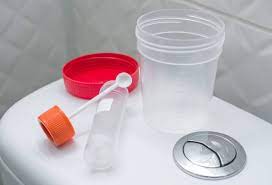
how to collect stool samples Collect stools first thing in the morning of your visit to your health centre. Before stool sample collection Wear the gloves provided in the stool collection Kit. Sit or sit on top of a given metal vessel. Make sure the pot is not touching the toilet water – make sure no water, other liquids or materials get into the pot. Defecate in the pot. A small amount of stool is fine. Open the stool container tube by opening the blue lid. Use the scoop attached to the Blue Lib to collect a small portion (the size of a cashew) of the stool from the pot. Place the stool specimen and pour it into the stool collection tube and screw the lid on tightly to secure it. Place the tube in a stool collection bag with your personal ID number on it. Dispose of the metal utensil or clean it thoroughly with soap and hot water. Wash hands thoroughly with soap and warm water. Bring the stool sample to the study nurse at the health center the same morning
stool sample collection kit
A stool specimen collection kit is an essential tool used in medical diagnostics to collect and analyze fecal samples for various purposes. Designed to ensure convenience and sanitation, these kits typically include a sterile container or vial, a scoop or spatula for sample collection, and detailed instructions. When a stool sample is required for testing, the kit provides individuals with a simple and efficient method to collect and preserve the sample without contamination. Proper collection and handling of stool specimens are crucial for accurate diagnoses of gastrointestinal disorders, infections, and other medical conditions. The inclusion of a stool sample collection kit in healthcare settings greatly facilitates the process, ensuring reliable and effective analysis while maintaining patient comfort and confidentiality.
Characteristics of Normal Stools
normal Stools contain 30% water.
The normal colour of stool is dark brown colour.
The normal colour of stool is maintained by stercobilin pigment.
The birth stool is dark green in colour Cald meconium( meconium ).
The normal odour of stool is – a pungent smell.
Indole and skatole are substances that produce normal odour.
In adults, normal stool is well formed and semi solid in consistency.
Stool pH depends on diet.
High carbohydrate diets cause acidic pH of stool.
High protein diets cause alkaline pH of stool.
Characteristics of abnormal stool
Black tarry colour stool – due to upper GI tract bleeding (melaena)
Bright red colour stool – due to lower GI tract bleeding (hemorrhoids)
White colour stool – due to yeast fermentation (candida) and seen in barium swallow.
Stool with blood and mucous – dysentery.
Gray/ clay colour of stool is a sign of – obstructive jaundice.
Green colour stool ( pea soup stool ) is a sign of – typhoid.
Rice water stool sign of – cholera.
Ribbon like stool is a sign of – hirschsprung disease.
Foul smell stool in case of melaena and dysentery.
Nursing role in stool sample collection
Nurse provided the instruction about the stool collection procedure.
Provide a wide sterile container.
Maintain the aseptic sample collection and examination.
Wear gloves during sample collection and examination.
After sample collection, send it immediately to the lab.
If you delay the stool examination, discard the stool in Dustbin.
Maintain the findings in the documents.
Hand washing before and after the procedure.
Maintain the universal precautions.
Key Points
Newborn first stool is – Meconium
The normal colour of the stool is – Dark brown colour
The normal colour of stool is maintained by – Stercobilin pigment
Normal meconium colour is a – Dark green colour
The normal odour of stool is – Pungent smell
Rice water stool is seen in – Cholera
Ribbon-like stool seen in – Hirschsprung disease
The gray / clay colour of stool is a sign of – Obstructive jaundice
Black tarry colour stool sign of – Melana
Haemorrhoids are a – Bright red stool
Upper GI tract bleeding causes the – Melaena
Lower GI tract bleeding causes the – Hemorrhoids
White colour stool occurs due to – Yeast fermentation
Rajasthan Nursing Officer Recruitment 2023 Post-1400 राजस्थान नर्सिंग ऑफिसर के 1400 पदों पर भर्ती कि पूरी जानकारी
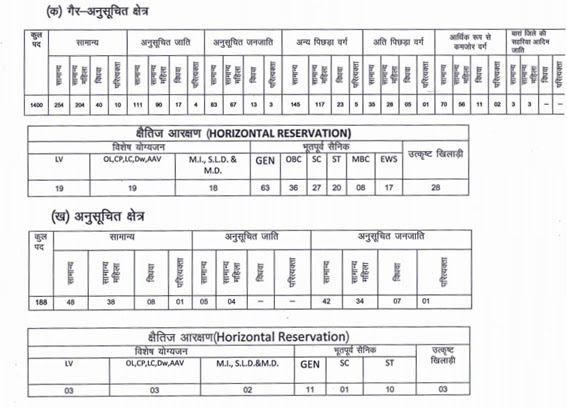
Rajasthan Nursing Officer Recruitment 2023 राजस्थान नर्सिंग ऑफिसर के 1400 पदों पर निकली भर्ती, आवेदन 10 जुलाई से शुरू: Rajasthan Nursing Officer Vacancy 2023 Online Application form राज्य स्वास्थ्य एवं परिवार कल्याण संस्थान, जयपुर द्वारा नर्सिंग ऑफिसर के पदों पर भर्ती का नोटिफिकेशन जारी किया गया है। यह भर्ती नर्सिंग ऑफिसर के 1400 पदों पर निकाली गई है। राजस्थान नर्सिंग ऑफिसर भर्ती के लिए अभ्यर्थी ऑनलाइन मोड में आवेदन कर सकते हैं। राजस्थान नर्सिंग ऑफिसर भर्ती 2023 के लिए ऑनलाईन आवेदन पत्र दिनांक 10 जुलाई, 2023 से दिनांक 08 अगस्त, 2023 को रात्रि 23:59 बजे तक बोर्ड की वेबसाईट पर भरें जा सकते है Rajasthan Nursing Officer Recruitment 2023 के लिए योग्यता, आयु सीमा, आवेदन शुल्क एवं सभी जानकारी नीचे दी गई है। अभ्यर्थी आवेदन करने से पहले एक बार ऑफिशल नोटिफिकेशन जरूर देखें। राजस्थान संविदा भर्ती नियम 2023 के अन्तर्गत राष्ट्रीय स्वास्थ्य मिशन, चिकित्सा स्वास्थ्य एवं परिवार कल्याण विभाग के लिये संविदा नर्स (Nurse) के (गैर अनुसूचित क्षेत्र के 1400 एवं अनुसूचित क्षेत्र के 188 ) कुल 1588 पदों पर भर्ती हेतु निर्धारित प्रपत्र मे ऑनलाईन आवेदन पत्र ( Online Application Form) आमंत्रित किये जाते हैं। उक्त पद पूर्ण रूप से संविदा आधारित पद है तथा राज्य सरकार के निर्देशों के अनुसार यह पद केवल एक वर्ष या बढ़ी हुई अवधि या परियोजना अवधि तक होगा ।
Post details:-
Rajasthan Nursing Officer Recruitment में पोस्ट की details इस प्रकार है
परीक्षा शुल्क जमा कराने एवं ऑनलाईन आवेदन पत्र भरने की अवधिः-
परीक्षा शुल्क जमा कराने एवं ऑनलाईन आवेदन पत्र भरने की अवधिः- परीक्षा शुल्क राज्य के निर्धारित ई-मित्र कियोस्क, जन सुविधा केन्द्र (C.S.C.), नेट बैकिंग, ए. टी. एम. कम डेबिट कार्ड एवं क्रेडिट कार्ड के माध्यम से दिनांक 10 जुलाई, 2023 से दिनांक 08 अगस्त, 2023 को रात्रि 23.59 बजे तक जमा कराया जा सकता है।
Rajasthan Nursing Officer Recruitment के ऑनलाईन आवेदन पत्र दिनांक 10 जुलाई, 2023 से दिनांक 08 अगस्त, 2023 को रात्रि 23:59 बजे तक बोर्ड की वेबसाईट पर भरें जा सकते है (इसके उपरांत लिंक निष्क्रिय हो जाऐगा ) । आवेदकों को सलाह दी जाती है कि ऑनलाईन आवेदन की अन्तिम दिनांक का इन्तजार किए बिना समय सीमा के भीतर ऑनलाईन आवेदन करे ।
आवेदन एवं परीक्षा शुल्क:-
Rajasthan Nursing Officer Recruitment के form भरने के लिए कार्मिक विभाग के परिपत्र दिनांक 19.04.2023 के द्वारा अभ्यर्थियों को अपनी SSO ID द्वारा लॉगिन करने के बाद एकबारीय पंजीयन प्रणाली (One Time Registration) ऑप्शन पर जाकर निम्नानुसार निर्धारित पंजीयन शुल्क राज्य के निर्धारित ई-मित्र कियोस्क या जन सुविधा केन्द्र (C.S.C.) के माध्यम से चयन बोर्ड को ऑनलाईन जमा करवावें
(क) सामान्य वर्ग व क्रीमीलेयर श्रेणी के अन्य पिछड़ा वर्ग / अति पिछड़ा वर्ग के आवेदक हेतु -रूपय 600/-
(ख) राजस्थान के नॉन कीमलेयर श्रेणी के अन्य पिछड़ा वर्ग / अति पिछड़ा वर्ग एवं आर्थिक रूप से कमजोर वर्ग / अनुसूचित जाति / अनुसूचित जनजाति के आवेदक हेतु – रूपये 400 /-
(ग) समस्त दिव्यांगजन आवेदक हेतु – 400/-
Required age आयु:-
Rajasthan Nursing Officer Recruitment 2023 मे आवेदक के लिया आवेदक 1 जनवरी 2024 को 21 वर्ष की आयु प्राप्त कर चुका हो तथा 40 वर्ष का नहीं हुआ
अनुसूचित जाति / अनुसूचित जनजाति / अन्य पिछडा वर्ग / अति पिछडा वर्ग / आर्थिक रूप से कमजोर वर्ग के पुरूष अभ्यर्थियों को, जो राजस्थान के मूल निवासी है, के मामले में 5 वर्ष की छूट दी जायेगी ।
सामान्य वर्ग की महिला अभ्यर्थियों के मामले में 5 वर्ष की छूट दी जायेगी ।
ऑनलाईन आवेदन की प्रक्रिया:-
बोर्ड द्वारा आवेदन Online Application Form लिये जाएंगे जिन्हे राज्य के निर्धारित ई-मित्र कियोस्क / जन सुविधा केन्द्र के माध्यम से भरा जा सकता है। ऑनलाईन आवेदन-पत्र भरने से पूर्व सर्वप्रथम अभ्यर्थी विस्तृत विज्ञापन का अध्ययन आवश्यक रूप से कर लेंवे। उपरान्त ही अभ्यर्थी ऑनलाईन आवेदन करें। ऑनलाईन आवेदन करने की प्रक्रिया निम्नानुसार होगी :-
ऑनलाईन आवेदन करने के लिए अभ्यर्थियों को बोर्ड के ऑनलाईन पोर्टल http://rsmssb.rajasthan.gov.in अथवा http://rssb.rajasthan.gov.in पर Recruitment Advertisement पर उपलब्ध Apply online link को Click कर अथवा एस.एस.ओ पोर्टल http://sso.rajasthan.gov.in से Login करने के उपरांत Citizen Apps (G2C) में उपलब्ध Recruitment Portal का चयन करना होगा। इसके बाद अभ्यर्थी Apply Now पर क्लिक करेगा । यदि अभ्यर्थी द्वारा OTR (One Time Registration) का एकबारीय पंजीयन शुल्क जमा नहीं किया गया है तो अभ्यर्थी को सर्वप्रथम OTR (One Time Registration) टैब पर अपनी Unreserved (UR), एवं Reserved (EWS/OBC-NC/MBC-NC/SC/ST/SAH) Category, दिव्यांगता की स्थिति व गृह राज्य का विवरण दर्ज करके शुल्क का भुगतान करना होगा। ऑनलाईन आवेदन में अभ्यर्थी को OTR (One Time Registration) के समय भरी गई Category दिव्यांगता की स्थिति व गृह राज्य के अनुरूप ही Options भरने हेतु मिलेंगें। अतः अभ्यर्थी OTR (One Time Registration) प्रक्रिया को सावधानी से भरें। OTR प्रक्रिया को पूरा करने के बाद अभ्यर्थी SSO के माध्यम से आवेदन कर सकेगा । आवेदन पत्र में उसके द्वारा OTR में दर्ज की गई सूचनाऐं, प्रदर्शित रहेगी एवं उसमें संशोधन नहीं किया जा सकेगा । अन्य सभी सूचनाऐं अभ्यर्थी को सावधानी पूर्वक भरनी होगी। आवेदन पत्र को Final Submit करते ही अभ्यर्थी का ऑनलाईन आवेदन क्रमांक जनरेट हो जायेगा। अभ्यर्थी को इस ऑनलाईन आवेदन पत्र का प्रिन्ट अपने पास सुरक्षित रख लेना चाहिए ।
ऑनलाइन एग्जाम डेट.:-
Rajasthan Nursing Officer Recruitment राजस्थान संविदा नर्स (Nurse) के पदों की भर्ती हेतु बोर्ड द्वारा परीक्षा संभावित 24 सितम्बर 2023 को आवंटित परीक्षा हो गी
Rajasthan Nursing Officer Recruitment का सिलेबस नीचे दिया गया है इस सिलेबस में Rajasthan Nursing Officer Recruitment में आने वाले सभी टोपिक topic को लिया गया है |
Introduction to the structure of the body, the cell, tissues, Body Cavities, composition of blood, formation of blood, Blood clotting factors and blood products and their use.
Anatomy and physiology of circulatory, lymphatic, respiratory, digestive, excretory, endocrine, reproductive, nervous, sense organs, skeleton and muscular systems.
Introduction to nursing concept, scope, nursing as profession, health determinants, assessment of health, nursing care of the patient and Basic needs of the patient.
Infection control, administration of medications, procedure, and techniques in First Aid &emergencies.
Concept of health and diseases, primary health care, epidemiology, referral system, minor ailments, health care delivery system, health planning, community health services, National Health problems, health programs, and health agencies.
Growth and development, disorders and health problems of a child, child with congenital disorders, care of newborn, and immunization. Classification of food, balanced diet, therapeutic diet and vitamins, sources of carbohydrates and proteins.
Pre and post-operative management, management of patients with disorders of respiration, gastrointestinal disorders, metabolic and endocrinal disorders, and new logical disorders.
Concept of mental health and mental illness, mental health assessment, mental disorders and nursing management.
Review of structure and functions of the female reproductive system, fetal development, management of normal pregnancy and normal labor, management of newborn and high-risk pregnancy.
Botox, short for botulinum toxin, is a neurotoxic protein derived from the bacterium Clostridium botulinum. It is widely known for its cosmetic applications in reducing wrinkles and fine lines on the face. Botox works by temporarily paralyzing or relaxing the muscles that produce facial expressions, resulting in a smoother and more youthful appearance.
Botox is a purified form of botulinum toxin and is administered in very small, controlled doses by medical professionals. It blocks the release of acetylcholine, which is a neurotransmitter responsible for muscle contraction. By inhibiting muscle activity, Botox prevents the formation of wrinkles and can soften existing lines.
Cosmetic Uses of Botox:
Wrinkle reduction: Botox injections are commonly used to treat dynamic wrinkles caused by repeated facial movements, such as brow lines, crow’s feet, and forehead wrinkles. This can temporarily relax the underlying muscles, taking away wrinkles.
Lifting the brows: Botox can be injected strategically to lift and shape the brows, giving the face a more youthful and refreshed appearance.
Jawline slimming: In some cases, Botox can be used to slim down the jawline by relaxing the muscles responsible for the square jaw, creating a more slender and defined face shape.
Excessive sweating (hyperhidrosis): Botox injections can help control excessive sweating in areas such as the underarms, palms, and soles of the feet. It works by stopping the secretion of the chemical responsible for activating the sweat glands.
how to treat Botox:
In addition to its cosmetic applications, Botox also has several medical uses:
Muscle spasms: Botox injections are commonly used to treat various muscle disorders, such as cervical dystonia (a condition that causes muscle spasms in the neck and shoulder), blepharospasm (involuntary blinking of the eye) ), and convulsions in conditions such as cerebral palsy.
Chronic migraine: Botox has been approved by regulatory authorities for the treatment of chronic migraine. It is injected into specific points on the head and neck to reduce the frequency and severity of headaches.
Overactive bladder: Botox can be injected into the bladder muscle to help control symptoms of an overactive bladder, such as frequent urination and the urge to urinate urgently.
Eye conditions: Botox injections are sometimes used to treat certain eye conditions, including strabismus (crossing of the eyes) and blepharospasm (involuntary eyelid spasm).
It is important to note that Botox should only be administered by trained medical professionals. Before receiving Botox injections, it is essential to consult with a qualified healthcare provider who can assess your suitability for the treatment and discuss any potential risks or side effects.
Botox hair treatment effect
Botox hair treatment:
A Revolutionary Solution to Rejuvenate Hair When we think of Botox, the first thing that comes to mind is wrinkle reduction and facial rejuvenation. However, Botox has made its way into the world of hair care, revolutionizing the way we think about hair treatments. Botox hair treatment is a cutting-edge technology that promises to transform dull, damaged hair into luscious, vibrant hair. In this blog post, we’ll explore the benefits, procedures, and potential risks associated with Botox hair treatment.
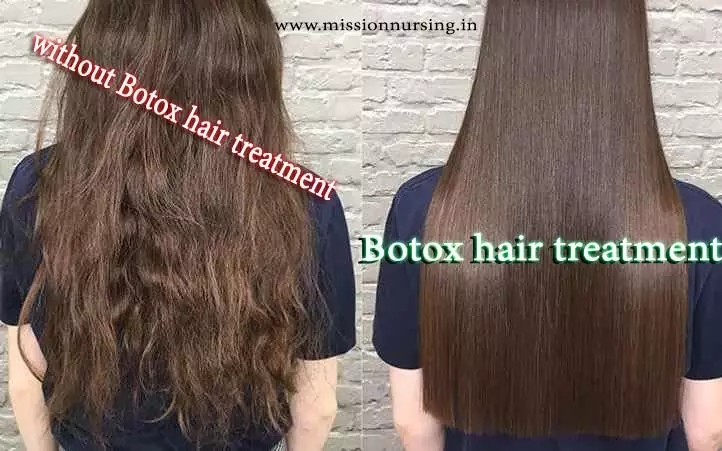
Botox Hair Treatment, also known as Hair Botox or Keratin Botox, is a cosmetic procedure that aims to restore and regenerate damaged hair. Unlike traditional keratin treatments, which rely on high heat and formaldehyde to straighten hair, Botox hair treatments focus on replenishing lost nutrients and moisture at the hair roots.
The term “Botox” as used in the context of hair treatment is a bit misleading. This does not include injecting the neurotoxins used in cosmetic procedures. Rather, it refers to a mixture of proteins, amino acids, vitamins, and other nutritional elements that are thought to repair hair and restore its health.
benefits of Botox hair treatment
Restores hair health: Botox hair treatment provides deep conditioning to the hair, replenishing lost moisture and nutrients. It helps repair damage caused by excessive heat styling, chemical treatments, and environmental factors, leaving hair healthier and more manageable.
Reduces Frizz & Adds Shine: The nourishing ingredients in Botox hair treatment help soften hair cuticles and reduce frizz and hair fall. As a result, hair looks smoother, shinier, and more polished.
Improves Hair Elasticity: Botox hair treatment improves hair’s elasticity, making it more resistant to breakage. This may be especially beneficial for those with brittle or damaged hair.
Adds density and voluminousness: Botox hair treatment can give the illusion of thicker and fuller hair. By thickening hair roots and adding hydration, it can increase hair’s overall volume and body.
Botox hair treatment effect
botox hair treatment procedure
Consultation: The first step in getting Botox hair treatment is to consult a professional stylist or haircare specialist. They will assess the condition of your hair, discuss your expectations, and determine whether you are a suitable candidate for the treatment.
Cleansing: The hair is washed with a clarifying shampoo to remove any product build-up, oil, or impurities.
Application: Botox hair treatment product is applied to the hair, making sure each strand is thoroughly coated. The product is left for a certain amount of time to penetrate and nourish the hair.
Heat Activation: In some cases, heat can be applied to the hair using a blow dryer or flat iron to activate the ingredients and help them penetrate deeper into the hair roots.
Washing and Styling: After the prescribed processing time, the hair is thoroughly rinsed to remove the treatment product. The stylist can then proceed to style the hair as desired using blow-drying, straightening, or curling techniques.
botox hair treatment price in India
Botox hair treatment in India is very expensive but some city provides botox treatment in India.in India, botox treatment price depends on your hair condition. a botox hair treatment may cost around 8,000- 10,000 INR in Bangalore. this price depends on the kind of producer you are using and the type & length of your hair. What is the cost of botox hair treatment in India? The cost of a Hair Botox treatment can vary depending on several factors, including the salon you visit and your location. The cost of Hair Botox treatment can range from Rs 5,000 to Rs 10,000 per session. The cost may be higher or lower depending on the length and thickness of your hair as well as the expertise of your stylist. Hair Botox Treatment Price In Chandigarh Mohali and Panchkula The estimated price range of INR 11000-23000. The actual cost depends on the salon type and if one session is not enough you have to go a minimum of 2-3 times for this treatment.
What is the duration of hair botox treatment?
A botox hair treatment may tack around 4 to 5 hours. this time period depends on your hair type and hair botox producer. this time duration depends on hair structure. and hair treatment package of botox treatment.
Risks and Considerations of Botox Hair Treatment
While Botox hair treatment is generally considered safe, there are some potential risks and considerations that should be taken into account:
Allergic reactions: Some individuals may be sensitive or allergic to certain ingredients present in Botox hair treatment products. It is important to undergo a patch test before treatment to check for any adverse reactions.
Temporal Effect: Boto’s Results.
itchiness in hairs:-Another side effect is that you may experience some itchiness on your scalp. This is normal and will go away after a few days. If the itchiness persists, you can contact your doctor or dermatologist.
What are hair Botox’s disadvantages?
Allergic reactions:– Some individuals may be sensitive or allergic to certain ingredients present in Botox hair treatment products. It is important to undergo a patch test before treatment to check for any adverse reactions.
Temporal Effect:– Boto’s Results.
itchiness in hairs:-Another side effect is that you may experience some itchiness on your scalp. This is normal and will go away after a few days. If the itchiness persists, you can contact your doctor or dermatologist.
Which is better keratin or Botox?
If you want better growth and vitality, go for Hair Botox.
Is Botox treatment good for hair?
Botox hair treatment provides deep conditioning to the hair, replenishing lost moisture and nutrients. It helps repair damage caused by excessive heat styling, chemical treatments, and environmental factors, leaving hair healthier and more manageable.
Which is expensive keratin or Botox?
Keratin is more expensive than botox
Can I oil my hair after Botox treatment?
Yes, you can apply hair oil after 6 to 10 hours of Botox treatment.
How Handwritten NEET Notes are Useful for NEET Students
Doorway to Success for Medical AspirantsPreparing for the National Eligibility cum Entrance Test (NEET) can be a daunting task for aspiring medical students. With the availability of study materials available in a variety of formats, it is important to find effective ways to absorb and retain information. Handwritten notes may seem to be losing importance in this digital age, but their value is unparalleled. In this blog post, we will explore how handwritten NEET notes can be a game-changer for students, enhancing comprehension, retention, and ultimately achieving success.
Increased understanding from handwritten notes:
One of the major advantages of handwritten NEET notes is to provide better understanding. Writing by hand forces students to actively engage with the material, thereby fostering deeper understanding. While typing notes on a computer may be faster, it often leads to sloppy transcription, leaving out the cognitive processing needed for true understanding. On the other hand, the act of writing encourages students to summarize, rephrase, and condense information, making complex concepts easier to understand.
Privatization and Organization:
Handwritten notes allow students to customize their learning experience, tailored to their unique learning styles. The ability to underline, highlight, draw, and create side annotations helps personalize notes, making them more meaningful and memorable. In addition, students can organize their handwritten notes in a way that suits their preferences, creating an intuitive system that aids in quick recall during revision.
Better memory retention:
The process of physically writing down information has been shown to increase memory retention. Neuroscientific research shows that the combination of motor skills and cognitive processes involved in handwriting activates different areas of the brain, thereby improving encoding and memory. Handwritten NEET notes create strong neural connections, making it easier to retrieve information during exams and long-term study.
Focus and reduction of distractions:
Writing notes by hand eliminates the potential distractions associated with digital devices. When using a computer or tablet, it can be hard to resist the temptation to multitask, check notifications, or browse the Internet. In contrast, the act of writing increases focus and minimizes distractions, allowing students to maintain a deeper level of engagement with the material. This dedicated focus enhances information absorption and boosts overall productivity.
An Effective Revision Tool:
Handwritten NEET Notes are invaluable during the revision phase. They serve as short summaries of the vast syllabus, making it easy for students to review and revise important topics efficiently. The process of revisiting handwritten notes stimulates the brain to recall related information, which promotes learning and helps students retain knowledge over time. In addition, the act of physically turning the pages aids in spatial memory, helping students to find specific information quickly.
In the digital age, the allure of technology may outweigh the timeless benefits of handwritten notes. However, for NEET aspirants, the power of handwritten notes should not be underestimated. From better comprehension and personalized organization to better memory retention and fewer distractions, the benefits of handwriting are numerous and impressive. Adopting the practice of making handwritten NEET notes can be a transformative strategy, helping students unleash their full potential and achieve success in their medical admission journey. So, pick up a pen, pick up your notebook, and walk your way to NEET success one handwritten note at a time!
• First country to start a blindness control program
James Lind
• Transmission of Yellow fever
Walter Reed
• Life cycle of Plasmodium
Ronald Ross First Country Honours
• First country to socialize medicine completely
Russia
• First country to introduce compulsory sickness insurance
Germany
• First country to start a family planning program
India
• Citrus fruits in the prevention of Scurvy
India
• Last case of smallpox in the world
India (Calcutta, 1897)
• First country to establish a fingerprinting bureau
26th October 1977 (Somalia)
• WHO declared global eradication of smallpox
8th May 1980
• Last indigenous case of smallpox in India
17th May 1975 (Bihar)
• Last known case of smallpox in India
24th May 1975 (Importation from Bangladesh)
• India declared smallpox free
April 1977 Few Important Diseases in Public Health
• Father of Public Health
Cholera
• Barometer of Social Welfare
Tuberculosis
• Slims’ Disease
HIV/AIDS
Black Sickness
Kala Azar (Leishmaniasis)
• Black Death
Plague
• Cerebrospinal fever
Meningococcal meningitis
• Break-bone fever
Dengue
• Monkey fever/ disease
KFD (Kyasanur Forest Disease)
• 5-day fever
Trench fever
• 8th-day disease
Tetanus neonatorum
• 100-day cough
• 8th-day disease
• Koch’s Phenomenon
Tuberculosis
• Hansen’s disease
Leprosy
• Rubeola
Measles
• Rubella
German measles
• Rubula
Mumps
Procedure
Position
1. Mastectomy
1. Mastectomy
2. perineal and vaginal procedure
lithotomy position
3. Thyroidectomy
fowlers position
4. Hemorrhoidectomy
lateral
supine with the right arm raised and extended behind the head and over the left shoulder
semi-fowlers or sitting upright
6. After liver biopsy
right lateral
7. Paracentesis
semi-Fowler’s
8. Nasogastric tube insertion
High Fowler’s
9. NG tube irrigation and feeding
12. LARYNGECTOMY
19. DEEP VEIN THROMBOSIS
SIMS POSITION
11. COPD
SITTING POSITION LEANING FORWARD
10. RECTAL ENEMA AND IRRIGATION
SEMIFOWLERS POSITION
13. BRONCHOSCOPY
SEMIFOWERS POSITION
14. POSTURAL DRAINAGE
TRENDELENBURG
15. THORACENTESIS
FOWLERS POSITION
16. ABDOMINAL ANEURYSM RESECTION
FOWLERS
17. FIRST 24 HOURS AFTER AMPUTATION OF LOWER extremities ELEVATE THE FOOT OF THE BED AND STUMP IS SUPPORTED WITH PILLOWS(PGI NOV. 2014)
UPRIGHT
18. HEART FAILURE AND PULMONARY OEDEMA
BED REST WITH LEG ELEVATION
IMMOBILIZATION ON SPINAL BACKBONESDifferent abdominal surgical positions.
LEG ELEVATION ABOVE HEART LEVEL
20. VARICOSE VEIN AND VENOUS INSUFFICIENCY
SEMIFOWLERS TO FOWLER’S
21. AFTER CATARACT
HIGH FOWLER’S
22. AUTONOMIC DYSREFLEXIA
ELEVATE THE HEAD OF THE BED TO 30 DEGREE
23. HEMORRHAGIC STROKE
FLAT HEAD OF THE BED
24. ISCHEMIC STROKE
SEMIFOWLERS TO FOWLER’S POSITION
25. INCREASED INTRACRANIAL PRESSURE
LATERAL POSITION WITH THE BACK BOWED
26. DURING THE LUMBAR PUNCTURE
SUPINE POSITION
27. AFTER LUMBAR PUNCTURE
IMMOBILIZATION ON SPINAL BACKBONESDifferent abdominal surgical positions.
28. SPINAL CORD INJURY
Important one-liner notes for NORCT AIIMS
Heart size is Normal in: TOF and TAPVC (intracardiac form )
Visual reflex formation or Macula mature by 5-6 months of life
Gardasil — 16 , 18 , 6 , 11 Cervarix — 16, 18
Renal tubular acidosis — Normal Anion gap Hyperchloremic Metabolic Acidosis Point to remember — its NORMAL in Serum but POSITIVE anion gap in Urine
Ectopic ACTH Syndrome — Hypokalemic Alkalosis
Anatomical Closure of Ductus arteriosus — 1-3 months after birth. 1-3 months after birth. (ref: Langman’s embryology & Guyton)
Corneal donor — till 6 hours after death
Nerve fibers — A and B are Myelinated; A to C – Diameter and Velocity decrease
For Congenital hypothyroidism — TSH, best done >48 hrs – 6 days life
Child of HIV-positive Mother — Can’t use IgG for 1st 18 months to diagnose as that comes from mother. So p24 assay, PCR, and Viral Culture are used.
Neomycin is present in Polio Vaccine
TORCH infectivity — All at time of birth BUT Rubella has 2 peaks i.e 10 -11 wks and delivery.
Unchanged during childbirth — Diameter between Sacral Promontary and Pubic Symphisis.
RAIU — I 123 ; RIA —- I 125
CO poisoning — PO2 Normal but O2 saturation is less.
Fetal distress — S/D ratio– increases in Umbilical Artery, decreases in MCA.
All Myopathies are Proximal except Myotonic Dystrophy (type 1)
All Neuropathies are Distal except GBS and SMA.
Glycine is the smallest and simplest Amino Acid.
Adder Head on IVP — Ureterocele
Flower vase / shaking hand sign — Horseshoe kidney
Ligament of Struthers.– a remnant of 3rd head of coracobrachialis, runs from supracondylar spur on the anteromedial humerus to medial epicondyle, median n, and brachial a may run beneath it.
Supine position – The most common surgical position. The patient lies with back flat on operating room bed.
Trendelenburg position – Same as supine position but the upper torso is lowered.
Reverse Trendelenburg position – Same as supine but upper torso is raised and legs are lowered.
Fracture Table Position – For hip fracture surgery. Upper torso is in supine position with unaffected leg raised. Affected leg is extended with no lower support. The leg is strapped at the ankle and there is padding in the groin to keep pressure on the leg and hip.
Lithotomy position – Used for gynecological, anal, and urological procedures. Upper torso is placed in the supine position,legs are raised and secured, arms are extended.
Fowler’s position – Begins with patient in supine position. Upper torso is slowly raised to a 90 degree position.
Semi-Fowlers position – Lower torso is in supine position and the upper torso is bent at a nearly 85 degree position. The patient’s head is secured by a restraint.
Prone position – Patient lies with stomach on the bed. Abdomen can be raised off the bed.
Jackknife position – Also called the Kraske position. Patient’s abdomen lies flat on the bed. The bed is scissored so the hip is lifted and the legs and head are low.
Knee-chest position – Similar to the jackknife except the legs are bent at the knee at a 90 degree angle.
Lateral position – Also called the side-lying position, it is like the jackknife except the patient is on his or her side. Other similar positions are Lateral chest and Lateral kidney.
Lloyd-Davies position – It is a medical term referring to a common position for surgical procedures involving the pelvis and lower abdomen. The majority of colorectal and pelvic surgery is conducted with the patient in the Lloyd-Davis position.
Kidney position – The kidney position is much like the lateral position except the patient’s abdomen is placed over a lift in the operating table that bends the body to allow access to the retroperitoneal space. A kidney rest is placed under the patient at the location of the lift.
Sims’ position – The Sims’ position is a variation of the left lateral position. The patient is usually awake and helps with the positioning. The patient will roll to his or her left side. Keeping the left leg straight, the patient will slide the left hip back and bend the right leg. This position allows access to the anus.
COVID-19 vaccines and their mechanisms
1) Bharath biotech/NIV (Covaxin) – vaccine
2) Astra Zeneca/ Serum Institute of India (Covishield) – Non-replicating viral vector
6) Johnson and Johnson – Non-replicating viral vector
7) Zydus Cadilla (ZyCov-D) – Plasmid DNA vaccine
8) Novavax – Protein subunit
The most important one-liner question and answer for NORCET
The ideal temperature and pressure used for autoclaving —121 Celsius at 15 PSI
A system model that focuses on the responses of the client system to actual or potential environmental — Betty Neumann
nurse-patient relationship concepts like orientation, identification, exploitation, and resolution — Hildegard Paplau
Arterial blood gas result with pH 7.3 and PCO2 is 46mm Hg denotes — Respiratory acidosis
The hormone ADH works in which area of the kidney — Distal Convoluted and Collecting duct
Post-ovulation is also known as — The luteal phase
The white area of the nail is called the lunula
The sympathetic and the parasympathetic nervous system are part of —ANS (Autonomic Nervous System)
Child sits with the support at the age of — 4 to 6 months
A couple and their dependent children living together under the same roof is called a nuclear Family
Systematic study of human society — Sociology
Mouth care to unconscious patient should be given when a patient is in — side-lying position
An agent that inhibits the growth of microorganisms is — Disinfectant
Angle of insertion of the needle for subcutaneous injection should be — 45 degree
A substance used to counteract the effect of poison is — Antidote
The trained nurses’ association was established in — 1908
Ideal teaching method for exploring the issues involved in social situation or challenges in human relation — Role Play
The immunoglobilin responsible for primary immunity — IgM
The largest organella of the cell is — Nucleus
The main product of protein metabolism is — Urea
The concentration of oxygen in expired air is about — 16%
the most abundant cation in extracellular fluid — Na+
Total number of intercostal muscles are — 11 Pairs
Total number of muscles in human bady are — 639
Total number of vertebarae in human are — 33
Eating behavior is controlled by — Hypothalamus
The number of thoracic vertebae in human being is — 12
Transformation of one type of cell into another type is called — Metaplasia
Surgically creating an opening into an organ or space in the body by a sharp instrument is known as — Incision
Plaster of paris is made up of — Calcium Sulphate
The most frequently occuring type of brain tumor is — Glioma
Main clinical symtom of hiatal hernia is — Heartburn
Most common complication of chronic asthma is — Emphysema
Examination of a Pt. with the help of stethoscope is termed as — Auscultation
Oral thrush is a — Fungal Disease
In a patient with a fracture of a long bone, which is the most serious complication — Fat Embolism
Absence of identifiable QRS complex in ECG gives an indication of — Ventricular Fibrillation
Sharp stabbing pain occur when breathing is the clinical feature of — Pleurisy
most common site of liver abscess — Right lobe of liver
Dengue fever is also known as — Break Bone Fever
In AIDS patient, pneumonia occur due to — Pneumocystis
Most common causes of meningitis in age-group 2 years to 20 years — Neisseria meningococci
Commonest cause of blindness in India is — Cataract
complication associated with tracheotomy tube — Damage to the laryngeal neve
the normal respiration rate in a newborn is — 30-60 breath/minute
the cause of esophageal varices — Portal Hypertension
Repeated vomiting can produce the following biochemical abnormality — Metabolic Alkalosis
During blood transfusion, if hemolytic reaction occur, the first nursing action will be — To stop the transfusion
A serious and dangerous side effect of penicillin is — Anaphylaxis
The nurse should administer a nasogastric tube feeding slowly to reduce the hazard of — Regurgitation
The most serious complication associated with chronic inflammatory bowel diease is — Perforation
The major post transfusion viral hepatitis is — Hepatitis C
The serious complication of portal hypertension — Chronic bleeding ,abdominal swelling and liver failure
The nurse administers neomycin to a patient with hepatic cirrhosis to prevent the formation of — Ammonia
Psoriasis is an inflammatory disorder of — Skin
The classic sign of hepatic coma is — Flapping hand tremors
An injury the nurse should assess for fat embolism with in — 1st 24 hours
A nursing intervention in thrombophlebitis would be contraindicated — Massage the leg
Platelet count decrease in — Dengue
Addison’s disease is caused by infsufficiency of hormone — Corticosteroid Hormone
Eye padding is applied on unconscious patient to prevent — Corneal Ulcer
Lumbar Puncture (LP) is done at the site of — L3 – L4
During hemodialysis, which of the following drug is used to prevent blood clotting — Heparin
Rise water stool” is a typical finding in cases of — Cholera
Mask like facies’ is a typical feature of — Parkinson Disease
“Tetany” can be produced by which or the following electrolyte disturbance — Hypocalcemia
Paralysis of one side of the body is known as — Hemiplegia
The earliest sign of the post operative shock is monitored by nurse by observing the — Pulse Rate
Assessment of a unconscious patient is done by — Glasgow Coma Sclae
Commonest cause of liver cirrhosis is — Alcohol
Concenteation of xylocaine which is used for spinal anaesthesia is — 5%
In head injury, mannitol is given to— decrease — ICP
Main complication of appendicitis is — Perforation
The instrument used for measuring blood pressure is know as — Sphygmomanometer
Paralysis of both lower limps is called— Paraplegia
The benign tumor of blood vessel is called — Hemangioma
A mysthenia gravis patient’s early symptom is — Ptosis
Rapid infusion of insulin cause — Hypokalemia
The most common cause of coronary artery disease — Artheriosclerosis
Inability to speak or understand the spoken words in called is — Agnosia
complication of splenectomy —Pancreatitis
Fever, headache and nuchal rigidity are classic symproms seen in — Meningitis
Fractures of the distal radius is called — Colles, Fracture
Removal of appendix is called —Appendicectomy.
Inflammation of tonsils is called —Tonsilitis.
Dumping syndrome is a complication of — Subtotal Gastrectomy
The normal value of PaCO2 is — 35-45 mmHg.
Site of transmission of message from one neurone to another is called —Synapse.
Acute pancreatitis is manifested by elevated — Serum Amylase
Intraocular pressure is measured with a instrument called — Tonometer
The shock which is resulting from a severe allergic reaction is — Anaphylactic Shock
Part of the stomach is removed and the remaining portion is anastomosed to the duodenum —Gastroduodenostomy
Amount of amniotic fluid of more than 2000 ml is termed as — ‘Polyhydramnios’
The powerhouse of the cell —Mitahondeia.
The inflammatory process of CNS producing altered function of various portions of the brain is —Encephalitis.
A typical sign of hydrocephalus —Sunsetting.
Paralysis which causes the arm to lie on the side with the extension of the elbow, and flexion of the wrist (waiter’s tip) is —Erb’s Palsy.
Sodium Chloride (NaCl) 3.6 g, Sodium Bicarbonate (NaHCO3) 2.5 g, potassium chloride (KCl) 1.5 g, glucose 20 g, water 100 ml — Components of ORS (Oral Rehydration Solution).
Trisomy 21 is known as — Down’s syndrome.
The most complicated type of spinal bifida is — Meningomyelocele
Download Norcet notes pdf
Missionnursig provides a complete Norcet Course free in pdf so download and enjoy Norcet Notes full course pdf. in this Norcet Notes pdf pack. provide the complete and full package. NORCET old papers are included in this pdf.
National Eligibility cum Entrance Test (NEET) is a highly competitive exam that opens doors to medical and dental colleges in India. Aspiring medical professionals spend countless hours preparing, and a major aspect of their study journey revolves around NEET books. These specially curated resources are designed to meet the demands of the exam and play a vital role in shaping the success of NEET aspirants. In this blog, we will go into detail about the various uses of NEET books and how they prove to be invaluable study companions for NEET aspirants.
Comprehensive coverage of syllabus
NEET Books are carefully designed to comprehensively cover the entire syllabus. They all cover three core subjects: physics, chemistry, and biology (botany and zoology), providing a holistic approach to learning. Each topic is systematically arranged, helping students to understand the subject matter in a structured manner, thereby reducing the chances of ignoring essential concepts.
Clarity and simplicity in language
One of the important advantages of NEET books is the clear and simple language used in them. Authors and publishers understand the needs of the target audience and try to present complex topics in a way that is easy to understand. This facility benefits students from diverse linguistic backgrounds and aids in effective self-learning.
Practice Questions & Mock Tests
NEET Books are equipped with an abundance of practice questions, subject-wise and section-wise. These questions allow students to assess their understanding of topics and identify areas that need improvement. Additionally, many books offer full-length mock tests that simulate the actual NEET exam, giving candidates a real exam experience and helping them manage time efficiently during the test.
In-Depth Explanation of Concepts
NEET books often provide in-depth explanation of concepts, making it easy for students to grasp the basics. These detailed explanations are especially beneficial when students are faced with complex topics or have doubts in their mind that need to be clarified. A strong foundation in basic concepts is important to excel in NEET.
Previous year NEET papers
NEET books often include question papers from previous years, allowing students to get familiar with the exam pattern, question types, and difficulty level. Analyzing previous papers helps the candidates to identify the recurring topics and important topics which are frequently covered in the exam.
Revision and NEET Quick Revision
During the final phase of NEET preparation, time becomes a precious commodity. NEET books come to the rescue with short summaries and quick revision notes, helping students to revise key points efficiently. These summaries serve as valuable tools for last-minute review and reinforcement of important concepts.
Expert Tips and Strategies
Many books on NEET include valuable insights and exam-specific strategies shared by experts and past toppers. These tips help the candidates to enhance their study approach, manage exam stress and optimize their performance during the NEET exam.
NEET books are not just study material; He is a guide for aspiring medical professionals starting their journey to NEET. With comprehensive coverage, lucid language, practice questions, mock tests and expert tips, these books play a vital role in preparing students for the rigors of the NEET exam. Candidates must use these resources judiciously with proper study plans and dedication to increase their chances of cracking one of India’s most competitive medical entrance exams.
In the fast-paced world of modern medicine, where new discoveries are made almost every day and research moves at a rapid pace, medical books serve as eternal companions that store the wisdom of the ages. These literary marvels hold a wealth of knowledge, from the fundamentals of medical science to the cutting-edge innovations shaping the future of healthcare. In this blog post, we’ll explore the importance of medical books, their impact on the medical community, and their role in empowering both healthcare professionals and the general public.
1. Rich History of Medical Books
Medical books have a rich and storied history that spans centuries, beginning with the earliest days of medical practice. One of the earliest known medical texts is the “Edwin Smith Papyrus” from ancient Egypt, which dates to around 1600 BCE, documenting surgical procedures, diseases, and treatments. Throughout history, various cultures have contributed to the field of medicine, leaving behind a wealth of medical manuscripts and codes. The works of Hippocrates, Galen, Ibn Sina (Avicenna) and others have become the foundation of modern medical knowledge.
2. Essential References for Medical
In the contemporary medical scenario, books continue to play an important role in educating and guiding medical professionals. From thick textbooks covering entire medical subjects to specialized works on specific branches such as cardiology, oncology, neurology, these books are indispensable companions for medical students, residents and practicing physicians. Notable medical books such as Gray’s Anatomy, Harrison’s Principles of Internal Medicine, and Robbins and Cotran’s Pathological Basis of Disease have become synonymous with medical education.
3. Bridging the Gap: Medical Books for the Masses
While medical textbooks primarily cater to medical professionals, there is a growing need for accurate and accessible medical information for the general public. A new generation of medical books has emerged, written in a more reader-friendly language that allows non-professionals to understand complex medical concepts. These books empower individuals to better understand their health, make informed decisions, and engage in meaningful conversations with their healthcare providers.
4. A Window Into Medical Research
Medical books often serve as the medium through which the latest research findings are disseminated around the world. Academic publishers produce journals and textbooks that summarize groundbreaking research and clinical trials, helping the medical community stay up to date with advances in their fields. This exchange of knowledge accelerates progress and fosters collaboration among researchers globally.
As medical knowledge expands, so does a vast array of medical books. The authors highlight specific subspecialties and specific topics, highlighting previously overlooked areas of medicine. Books on medical ethics, palliative care, global health, and medical biographies provide unique perspectives that enrich the collective understanding of the medical community.
6. Digital Revolution: Rise of e-books PDF
The digital revolution has changed the way we access information and the medical literature is no exception. E-books and online platforms have revolutionized medical libraries, making information more accessible to a global audience. This digital transformation allows for interactive learning experiences, multimedia integration, and real-time updates to keep pace with the ever-changing medical landscape.
Rheumatoid arthritis is an autoimmune disorder that causes symmetrical polyarthritis.
Arthritis is an inflammation of the joints.
Rheumatoid arthritis awareness day is celebrated on 2nd Feb.
Rheumatoid arthritis is a most common systemic inflammatory disease characterized by symmetrical joint involvement.
Rheumatoid arthritis Definition
Rheumatoid arthritis is a chronic autoimmune disorder that include inflammation in the membrane lining of the joint and produce an inflammatory synovitis.
Rheumatoid arthritis generally involves small, peripheral and systemic or non-weight wear joints.
Commonly prevalence between the age of 30 – 50 years.
Cause of Rheumatoid arthritis
Idiopathic
Genetic factors
Environmental exposure
Immunological factor
Autoimmune disorder
Endocrine imbalance
Inflamed synovium
Tumour necrosis factor
DM, obesity
Lack of exercise
Vitamin D deficiency
Smoking
Bacterial and fungal infection
Antigen dependent activation of T- lymphocytes.
Metabolic imbalance.
Pathophysiology of Rheumatoid arthritis
Cause / immunological / autoimmune
↓
Inflammation of synovial membrane of joint
↓
Antigen and antibody reaction
↓
Damage the articular cartilage
↓
More production of granular tissue and edema
↓
Decrease joint mobility
↓
Deformity.
Stage of Rheumatoid Arthritis
Stage – I
– Preclinical stage
– Non sign symptoms
– Increased ESR, C – reactive protein.
Stage II
Synovitis stage involves inflammation in the synovial membrane.
Show sign symptoms.
ADL affects.
Stage III
Destruction stage
Daily living activity affect
Both bones rub together and cause pain and swelling.
Stage IV
Deformity stage
End stage of rheumatoid arthritis
Loss of joint functions.
Sign and Symptoms of Rheumatoid arthritis
Swelling and edema in the joints.
Morning joint stiffness.
Sever pain
Tenderness or redness
Deformity of joints ( loss of anatomy )
Reduce range of motion
Muscles pain
Rheumatoid nodules
Low grade fever
Fatigue and weight loss
Swan neck deformity
Polyarthritis and joint warmth.
Diagnosis of Rheumatoid arthritis
History collection and physical examination.
Joint x-ray ( show deformities )
Blood test – increase ESR, increased C reactive protein.
CT scan and MRI.
Anti citrullinated protein antibodies (ACPAs).
History of infection.
Treatment of Rheumatoid arthritis
NSAID (non-steroidal anti-inflammatory drugs) and Aspirin used for pain.
Spring nail refers to the nail art and color trends that are popular during the spring season. In general, spring nails tend to be bright, bold, and playful, with pastel shades and floral designs being particularly popular. Many people like to experiment with different nail art techniques during the spring season, such as ombre, glitter, and 3D embellishments. Some popular spring nail colors include shades of pink, blue, purple, green, and yellow. Spring nail trends can vary from year to year, but they generally reflect the fresh and vibrant energy of the season.
Best Spring Nail Designs and Trends to Try This Season
Cherry Print French Tips
Dark Red Ombré NailsGreen SquigglesMarble NailsMartini TonesRed Half Moon NailsSea Foam GreenSubtle Pink Shimmer
Here are some spring nail care tips that you can do at home:
Keep your nails clean and dry: Dirt and moisture can lead to nail infections. Be sure to clean your nails with mild soap and water, and dry them thoroughly.
Moisturize your nails: During the spring season, the air can be dry, which can cause your nails to become brittle and dry. Apply a good quality hand cream or cuticle oil to keep your nails hydrated.
Trim your nails regularly: Keeping your nails trimmed and filed helps prevent breakage and snagging. Use a nail clipper or a nail file to shape and smooth your nails.
Apply a base coat: Before applying nail polish, it’s important to apply a base coat. This will help protect your nails from staining and also provide a smooth surface for the polish.
Choose spring-inspired colors: Spring is a great time to experiment with bright and pastel colors. Choose shades like coral, mint green, baby blue, or light pink.
Protect your nails: Wear gloves when doing household chores like washing dishes or cleaning to protect your nails from harsh chemicals and detergents.
Avoid biting your nails: Biting your nails can lead to infections and damage to the nail bed. Instead, try to find healthier ways to manage stress or anxiety, like deep breathing or exercise.
Here are some general nail care tips:
Keep your nails clean and dry: This helps prevent nail infections.
Moisturize your nails: Applying a good quality hand cream or cuticle oil keeps your nails hydrated and healthy.
Trim your nails regularly: Keeping your nails trimmed and filed helps prevent breakage and snagging.
Use a base coat: Applying a base coat helps protect your nails from staining and provides a smooth surface for the polish.
Choose nail polish carefully: Look for polishes that are free of harmful chemicals, such as formaldehyde, toluene, and phthalates.
Take care of your cuticles: Use cuticle oil or cream to keep your cuticles moisturized and prevent them from becoming dry and cracked.
Wear gloves: When doing household chores or working with harsh chemicals, wear gloves to protect your nails and skin.
Avoid biting your nails: Biting your nails can lead to infections and damage to the nail bed.
Give your nails a break: Occasionally give your nails a break from polish and allow them to breathe.
Stay hydrated: Drinking plenty of water can help keep your nails healthy and hydrated.
By following these tips, you can maintain healthy and beautiful nails.
Missionnursing Provides official and original CHO old question papers in pdf. with the Model Papers, we had given the details of the CHO Community Health Officer Post and their Selection Process. To obtain the post of Community Health Officer in the organization of the National Health Mission (NHM). For that, candidates need to perform well in the coming examination. Accordingly, we suggest the aspirants follow the preparation tips given in the below sections and prepare a schedule to get perfection on each and every topic. Get PDF Download links of the CHO Previous Papers from the bottom of the page
What Is CHO?
A Community Health Officer (CHO) is a trained health professional who works at the community level to improve the overall health of the population. They are responsible for implementing health programs, educating the community about health and wellness, and providing primary health care services. Basically, Cho is a Community level doctor cho handles community health-related problems.
CHOs work in a variety of settings, including rural areas, urban slums, and remote tribal regions. Their duties may include:
Identifying health problems and needs within the community
Developing and implementing health promotion and disease prevention programs
Providing primary health care services, such as vaccinations, maternal and child health care, and basic first aid
Conducting health education and awareness programs
Monitoring the health of the community and identifying trends and patterns
Collaborating with other health professionals and organizations to provide comprehensive healthcare services
CHOs play a vital role in improving the health and well-being of communities, particularly in areas where access to healthcare is limited.
Importance of Community health officer Papers
Preparing for any competitive exam requires careful planning, dedication, and a strategic approach. When it comes to Certified Health Officer (CHO) certification, understanding the exam pattern and content is vital to achieving success. An invaluable resource that can help you significantly in your preparation is the Community Health Officer’s (CHO) previous question papers. In this blog post, we will explore the importance of Community Health Officer (CHO) Previous Question Papers and how they can help you maximize your chances of excelling in the exam.
Insight into the Exam Pattern:
The primary advantage of studying Community Health Officer CHO previous papers is to get a comprehensive understanding of the exam pattern. By analyzing these papers, you can get familiar with the type of questions asked, the distribution of marks, and the overall structure of the exam. This knowledge will help you identify areas of strength and weakness in your preparation, thereby enabling you to strategize your study plan effectively.
CHO Question Papers are Familiar:
The Community Health Officer CHO past papers provide an opportunity to get familiar with the material covered in the exam. By reviewing these papers, you can identify the frequently asked topics and assess your proficiency level in each area. This allows you to prioritize your study efforts, devoting more time to subjects that require extra attention.
Improve time management in exams:
Time management is an important aspect of any competitive exam. The Community Health Officer CHO’s previous papers can serve as valuable tools to improve your time management skills. By solving these papers in exam-like situations, you can practice answering the questions within the stipulated time limit. This practice will help you in increasing your speed and accuracy, thereby ensuring that you can complete the real exam within the allotted time limit.
Identifying CHO Question Trends:
Another advantage of studying Community Health Officer CHO’s previous papers is the opportunity to identify the trends of the exam and questions. As you go through several question papers, you may notice recurring topics, patterns, or question formats that appear again and again in the exam. By recognizing these trends, you can tailor your preparation accordingly by focusing on the areas that are more likely to be tested. This approach allows you to optimize your efforts and increase your chances of scoring well in the exam.
Increase confidence level in the CHO exam:
Confidence plays an important role in exam performance. Solving Community Health Officer CHO’s previous papers gives you a feeling of familiarity with the exam format and content, thereby instilling confidence in your abilities. As you practice and gradually improve your performance, your confidence will increase, which can have a positive impact on your overall performance on the actual test day.
Why read previous years’ papers
The CHO certification is a highly sought-after credential for professionals in the field of happiness and well-being. To maximize your chances of success, it is imperative to include Community Health Officer CHO previous question papers in your preparation strategy. These papers serve as an invaluable resource for aspirants by getting an idea about the exam pattern, getting familiar with the material, honing their time management skills, identifying trends in the exam, and boosting their confidence. So, embrace the power of CHO’s previous question papers, unlock your potential, and start your journey to become a certified happiness officer. Good luck to you!
How to Download CHO Notes
Open Google search and search www.missionnursing.in. in Google search then scroll and click. Community Health Officer CHO’s previous question papers note tab after that you will download the all previous notes. all notes are fresh and new Rajasthan cho Haryana, cho bihar, cho, Jharkhand cho, up cho mp cho, and all other states cho previous question papers easily download in pdf format. if you are a student these exam papers help grow and achieve your goal in competitive exams.
Download CHO Previous Question Papers PDF
CHO Previous Question Papers
PDF Download
UTTRAKHAND Community Health Officer (CHO) Papers.pdf
Concept RNA Nursing is A Dedicated Institute For Nursing Competitive Exams. It provides special coaching courses to help students crack the AIIMS NORCET, CHO, and RRB Exams conducted by the government and any private organization. Students who are preparing for Nursing Exams
Concept RNA is one of the best coaching institutes in India. We really liked the teaching method and their notes on the coaching. Concept RNA notes are easy to read and understand Concept RNA notes help to achieve a student’s goal in a minimal time duration.
All students free study for concept RNA notes available on public Domin. All nursing students and teachers study for concept RNA notes available in public Domin free. www.missionnursing.in is not responsible for free..but I received for any group than available for public Domin. Below links click here and download all notes available in pdf.
Multiple sclerosis also knows as a degenerative brain disorder or degenerative CNS disorder.
Multiple sclerosis most common CNS disorder, that occurs between the 20 and 40 age groups.
Multiple sclerosis is a progressive inflammatory and demyelinating disease.
Multiple sclerosis Definition
Multiple sclerosis defines as a chronic progressive degenerative disease that affect the myelin sheath of neurons in CNS. Multiple sclerosis is a not contagious disorder and more prevalent in women than men. Demyelinating results in impaired transmission of nerve impulses.
Cause of Multiple sclerosis
Idiopathic
Genetic disorder
Autoimmune disorder – immunological reaction
Infection
Environmental factors
Type – 4th hypersensitivity reaction.
Multiple sclerosis Pathophysiology
Cause
↓
Abnormal functioning of myelin sheath
↓
Inflammation and destruction of myelin sheath
↓
Chronic, progressive neurological dysfunction
↓
Multiple sclerosis.
Multiple sclerosis Clinical features
Generalized weakness and fatigue
Numbness and tingling
In coordination of movement
Bowel and bladder dysfunction
Paralysis
Mild diplopia
Vision loss
Swallowing and chewing difficulty
Sensory route affect
Dysphagia
Transient blindness
Walking difficulty
Muscles spasm
Ataxia and vertigo
Dizziness
Body pain
Memory change.
Tried symptom – Nystagmus
Dysarthria
Intentional tremor.
Multiple sclerosis Dignosis
History collection and physical examination.
CT scan and MRI.
PET scan.
Neurological examination.
Lumbar puncture test.
Blood test and spinal tap test.
Multiple sclerosis Treatment
Multiple sclerosis Pharmacological management –
Immunosuppressive agents
Methotrexate
Azathioprine.
Corticosteroid therapy – for inflammation.
Alkylating agents
Skeletal muscles relaxant medication
Carbamazepine and clonazepam drugs
Plasmapheresis ( plasma exchange )
Glatiramer acetate – block immune system attack
Fingolimod – Reduce replace rate.
Physical therapy and massage relaxants therapy.
Lifestyle modification and daily exercise.
Pregabalin for nerve healing.
Multiple sclerosis Complications
Muscles spasm and stiffness.
Epilepsy
Bladder and bowel dysfunction
Paralysis
Forgetfulness and mood swings
Sexual dysfunctions.
Multiple sclerosis Nursing management
Nurses assess physical examination and vital signs.
The nurse will assess the patient vision problems, if the patient has vision, she provides safety.
Cover patient affected eye by patch.
Nurses monitor patient bowel and bladder functions.
Nurses provide complete rest and sometimes encourage activity.
Monitor patient swallowing and chewing activity.
Provide psychological and emotional support.
The nurse will encourage the patient to wear a medical alert bracelet.
The nurse will ask the attendees to assist every patient activity.
Key Points about Multiple sclerosis
Degenerative brain disorder is – Multiplesclerosis.
MS is a neurological disorder that affects the – Myelin sheath of neurons.
What is the main reason MS – Autoimmune disorder?
Tried symptom of multiple sclerosis – Nystagmus, dysarthria and intentional tremor.
Common bowel complication associated with MS – Constipation.
Common diagnostic examination helpful in MS – MRI.
Main demyelinating event in patients with MS – Optic neuritis.
What kind of multiple sclerosis disease – Autoimmune?
Common finding of MS disorder – Balance imbalance.
Multiple sclerosis more common prevalertin – Women.